
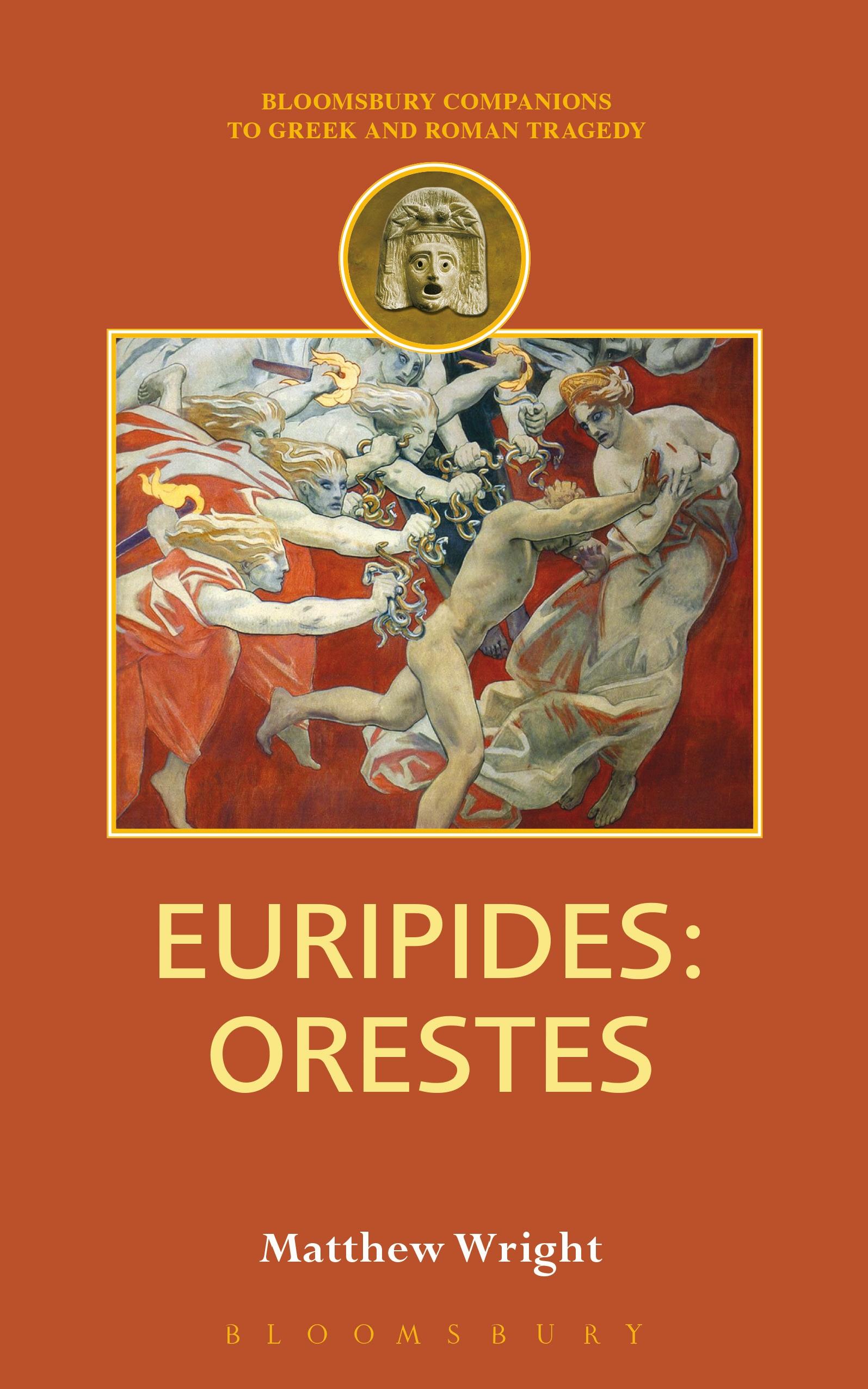
"Orestes" was one of Euripides' most popular plays in antiquity. Its plot, which centres on Orestes' murder of his mother Clytemnestra and its aftermath, is exciting as well as morally complex; its presentation of madness is unusually intense and disturbing; it deals with politics in a way which has resonances for both ancient and modern democracies; and, it has a brilliantly unexpected and ironic ending. Nevertheless, "Orestes" is not much read or performed in modern times. Why should this be so? Perhaps it is because "Orestes" does not conform to modern audiences' expectations of what a 'Greek tragedy' should be. This book makes "Orestes" accessible to modern readers and performers by explicitly acknowledging the gap between ancient and modern ideas of tragedy. If we are to appreciate what is unusual about the play, we have to think in terms of its impact on its original audience. What did they expect from a tragedy, and what would they have made of "Orestes"?
Betal nemt med kort, Klarna, Apple Pay eller Google Pay. Ikke tilfreds? Du har altid 14 dages fortrydelsesret. Læs mere i vores vilkår. Har du spørgsmål, så send os en mail på hello@memmo.org.
Memmo gør det nemmere at studere – uanset hvor du er i verden. Hos os samler du dine kursusbøger og smarte studieværktøjer ét sted: resuméer, quizzer, podcasts og flashcards. Og så er der Ted, din studieven, der svarer på alt, du undrer dig over. Over 50 000 studerende studerer allerede her – bygget til at hjælpe dig med at lære hurtigere og stresse mindre.