
This book is available as open access through the Bloomsbury Open Access programme and is available on www.bloomsburycollections.com.
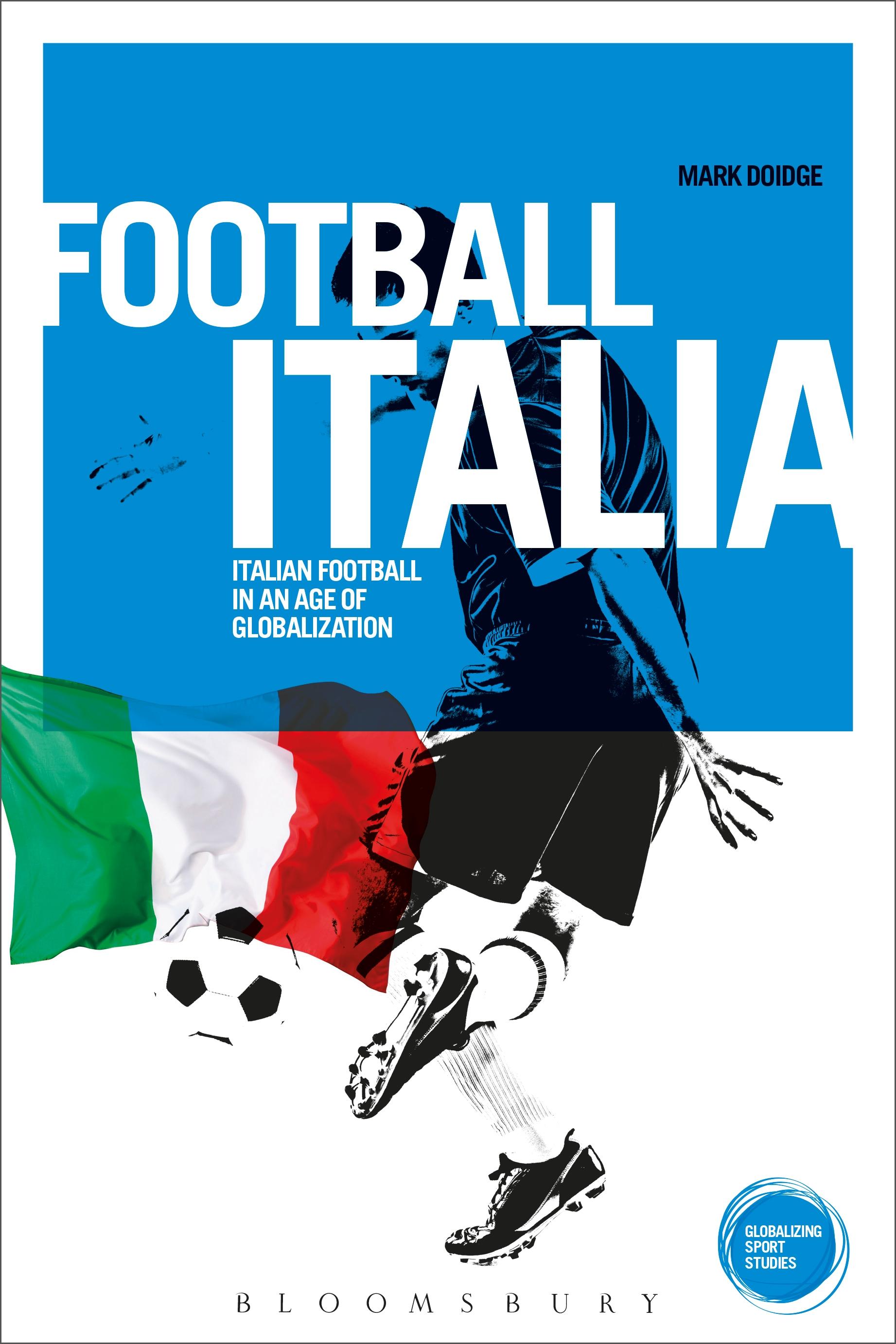
Football has undergone a period of transformation over the last thirty years. Despite these global processes, different national leagues have adapted in different ways. After an initial period of success directly after Italia '90, Italian football has gone through a period of sustained crisis. It has been blighted by financial mismanagement, corruption scandals and fan violence. This has impacted Italy's ability to compete on a global stage.
Football Italia accounts for the development of Italian football in relation to the wider global transformations impacting football and addresses the reasons for Serie A's initial success and current malaise. Theoretically, this book locates Italian football within the wider power network of the state and how this has impacted political engagement. After an historical overview of the Italian political economy, Football Italia highlights how football is part of the wider political network. Football clubs are owned by powerful businessmen (and they are all men) who are also politicians. This centralisation of power within a small hegemonic group inhibits change. Within this broader structure, wider corruption scandals continue; from regular match-fixing scandals to doping. Meanwhile, stadiums are crumbling and police over-aggressive. It is within this context that we must place the fans. Both the ultras and supporters who attend official supporters' clubs are disaffected and without the power to change the status quo. Consequently, Italian football has been in decline throughout the 21st century.
Football has undergone a period of transformation over the last thirty years. Despite these global processes, different national leagues have adapted in different ways. After an initial period of success directly after Italia '90, Italian football has gone through a period of sustained crisis. It has been blighted by financial mismanagement, corruption scandals and fan violence. This has impacted Italy's ability to compete on a global stage.
Football Italia accounts for the development of Italian football in relation to the wider global transformations impacting football and addresses the reasons for Serie A's initial success and current malaise. Theoretically, this book locates Italian football within the wider power network of the state and how this has impacted political engagement. After an historical overview of the Italian political economy, Football Italia highlights how football is part of the wider political network. Football clubs are owned by powerful businessmen (and they are all men) who are also politicians. This centralisation of power within a small hegemonic group inhibits change. Within this broader structure, wider corruption scandals continue; from regular match-fixing scandals to doping. Meanwhile, stadiums are crumbling and police over-aggressive. It is within this context that we must place the fans. Both the ultras and supporters who attend official supporters' clubs are disaffected and without the power to change the status quo. Consequently, Italian football has been in decline throughout the 21st century.
Betal nemt med kort, Klarna, Apple Pay eller Google Pay. Ikke tilfreds? Du har altid 14 dages fortrydelsesret. Læs mere i vores vilkår. Har du spørgsmål, så send os en mail på hello@memmo.org.
Memmo gør det nemmere at studere – uanset hvor du er i verden. Hos os samler du dine kursusbøger og smarte studieværktøjer ét sted: resuméer, quizzer, podcasts og flashcards. Og så er der Ted, din studieven, der svarer på alt, du undrer dig over. Over 50 000 studerende studerer allerede her – bygget til at hjælpe dig med at lære hurtigere og stresse mindre.