
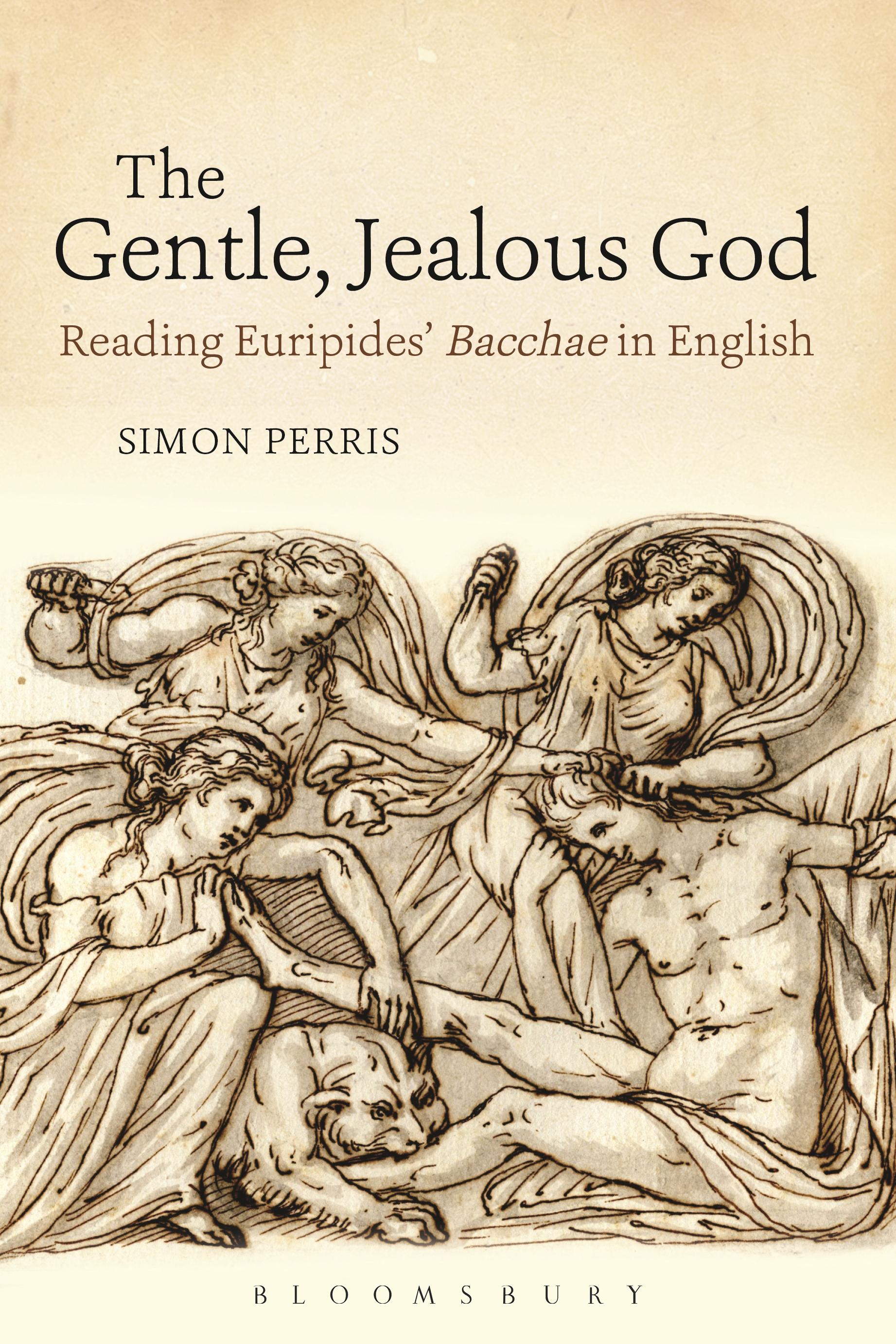
Euripides' Bacchae is the magnum opus of the ancient world's most popular dramatist and the most modern, perhaps postmodern, of Greek tragedies. Twentieth-century poets and playwrights have often turned their hand to Bacchae, leaving the play with an especially rich and varied translation history. It has also been subjected to several fashions of criticism and interpretation over the years, all reflected in, influencing, and influenced by translation. The Gentle, Jealous God introduces the play and surveys its wider reception; examines a selection of English translations from the early 20th century to the early 21st, setting them in their social, intellectual, and cultural context; and argues, finally, that Dionysus and Bacchae remain potent cultural symbols even now.
Simon Perris presents a fascinating cultural history of one of world theatre's landmark classics. He explores the reception of Dionysus, Bacchae, and the classical ideal in a violent and turmoil-ridden era. And he demonstrates by example that translation matters, or should matter, to readers, writers, actors, directors, students, and scholars of ancient drama.
Simon Perris presents a fascinating cultural history of one of world theatre's landmark classics. He explores the reception of Dionysus, Bacchae, and the classical ideal in a violent and turmoil-ridden era. And he demonstrates by example that translation matters, or should matter, to readers, writers, actors, directors, students, and scholars of ancient drama.
Betal nemt med kort, Klarna, Apple Pay eller Google Pay. Ikke tilfreds? Du har altid 14 dages fortrydelsesret. Læs mere i vores vilkår. Har du spørgsmål, så send os en mail på hello@memmo.org.
Memmo gør det nemmere at studere – uanset hvor du er i verden. Hos os samler du dine kursusbøger og smarte studieværktøjer ét sted: resuméer, quizzer, podcasts og flashcards. Og så er der Ted, din studieven, der svarer på alt, du undrer dig over. Over 50 000 studerende studerer allerede her – bygget til at hjælpe dig med at lære hurtigere og stresse mindre.