
Winner of the Tianjin Social Science Outstanding Achievement Award.
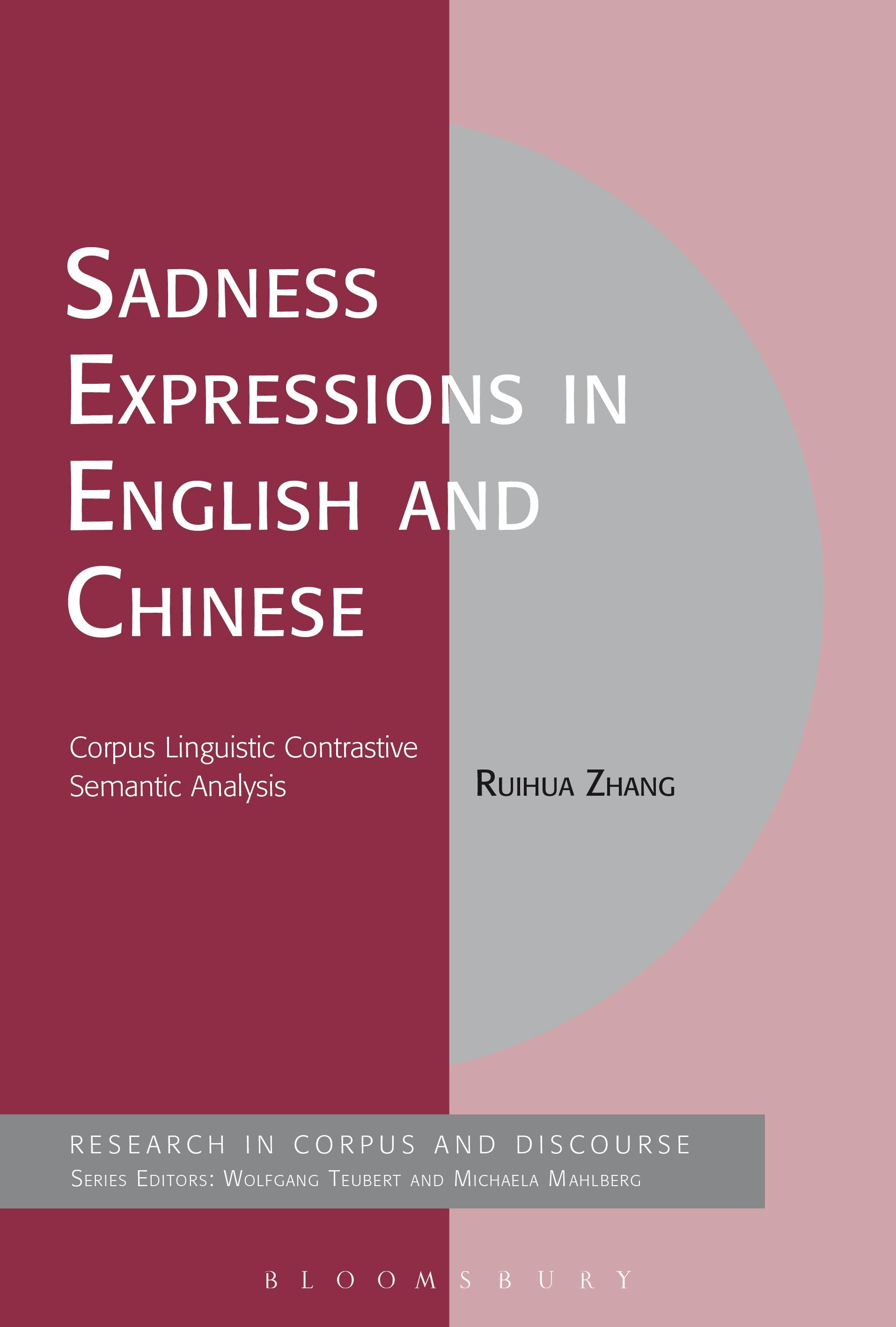
This book reports on the contrastive-semantic investigation of sadness expressions between English and Chinese, based on two monolingual general corpora and a parallel corpus. The exploration adopts a unique theoretical approach which integrates corpus-linguistic theories on meaning (as a social construct, usage and paraphrase) with a corpus-linguistic lexical model. It employs a new complex but workable methodology which combines computational tools with manual examination to tease meaning out of corpus evidence, to compare and contrast lexical items that do not match up neatly between languages. It looks at sadness expressions both within and across languages in terms of three corpus-linguistic structural categories, i.e. colligation, collocation and semantic association/preference, and paraphrase (both explicit and implicit) to capture their subtle nuances of meaning, disclose the culture-specific conceptualisations encoded in them, and highlight their respective cultural distinctiveness of emotion.
By presenting multidisciplinary original work, Sadness Expressions in English and Chinese will be of interest to researchers in corpus linguistics, contrastive lexical semantics, psychology, bilingual lexicography and language pedagogy.
This book reports on the contrastive-semantic investigation of sadness expressions between English and Chinese, based on two monolingual general corpora and a parallel corpus. The exploration adopts a unique theoretical approach which integrates corpus-linguistic theories on meaning (as a social construct, usage and paraphrase) with a corpus-linguistic lexical model. It employs a new complex but workable methodology which combines computational tools with manual examination to tease meaning out of corpus evidence, to compare and contrast lexical items that do not match up neatly between languages. It looks at sadness expressions both within and across languages in terms of three corpus-linguistic structural categories, i.e. colligation, collocation and semantic association/preference, and paraphrase (both explicit and implicit) to capture their subtle nuances of meaning, disclose the culture-specific conceptualisations encoded in them, and highlight their respective cultural distinctiveness of emotion.
By presenting multidisciplinary original work, Sadness Expressions in English and Chinese will be of interest to researchers in corpus linguistics, contrastive lexical semantics, psychology, bilingual lexicography and language pedagogy.
Betal nemt med kort, Klarna, Apple Pay eller Google Pay. Ikke tilfreds? Du har altid 14 dages fortrydelsesret. Læs mere i vores vilkår. Har du spørgsmål, så send os en mail på hello@memmo.org.
Memmo gør det nemmere at studere – uanset hvor du er i verden. Hos os samler du dine kursusbøger og smarte studieværktøjer ét sted: resuméer, quizzer, podcasts og flashcards. Og så er der Ted, din studieven, der svarer på alt, du undrer dig over. Over 50 000 studerende studerer allerede her – bygget til at hjælpe dig med at lære hurtigere og stresse mindre.