
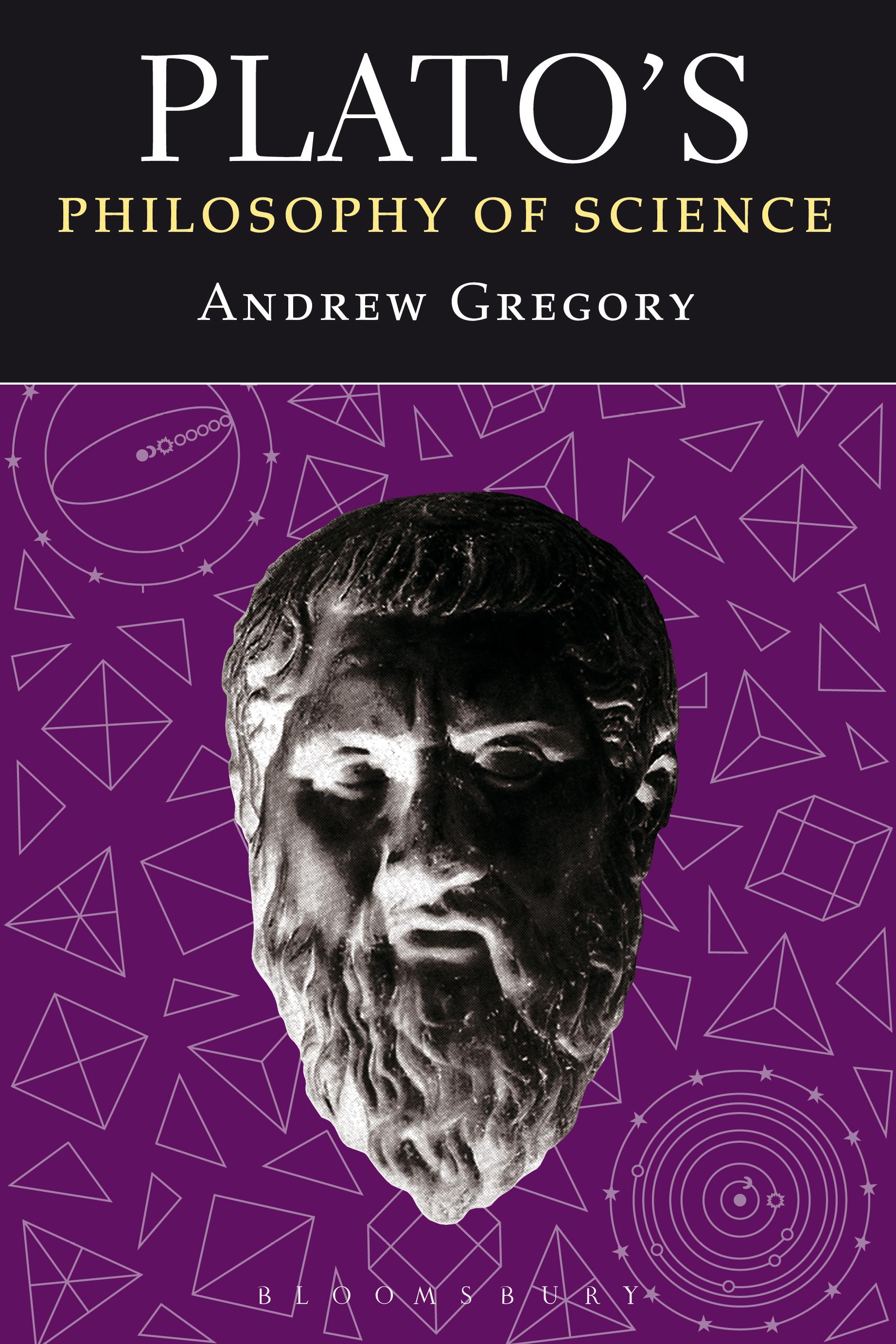
In this illuminating book Andrew Gregory takes an original approach to Plato's philosophy of science by reassessing Plato's views on how we might investigate and explain the natural world. He demonstrates that many of the common charges against Plato - disinterest, ignorance, dismissal of observation - are unfounded, and shows instead that Plato had a series of important and cogent criticisms to make of the early atomists and other physiologoi. Plato's views on science, and on astronomy and cosmology in particular, are shown to have developed in interesting ways. Thus, the book argues, Plato can best be seen as a philosopher struggling with the foundations of scientific realism, and as someone, moreover, who has interesting epistemological, cosmological and nomological reasons for his approach.
Plato's Philosophy of Science is important reading for all those with an interest in Ancient Philosophy and the History of Science.
Plato's Philosophy of Science is important reading for all those with an interest in Ancient Philosophy and the History of Science.
Sider: 256
Kategori: Vetenskapsteori och forskningsmetod
e-ISBN: 9781472502384
Forsendelsesvægt: 1.2 kg
Sendes inden for: 1-2 dage
Betal nemt med kort, Klarna, Apple Pay eller Google Pay. Ikke tilfreds? Du har altid 14 dages fortrydelsesret. Læs mere i vores vilkår. Har du spørgsmål, så send os en mail på hello@memmo.org.
Memmo gør det nemmere at studere – uanset hvor du er i verden. Hos os samler du dine kursusbøger og smarte studieværktøjer ét sted: resuméer, quizzer, podcasts og flashcards. Og så er der Ted, din studieven, der svarer på alt, du undrer dig over. Over 50 000 studerende studerer allerede her – bygget til at hjælpe dig med at lære hurtigere og stresse mindre.