
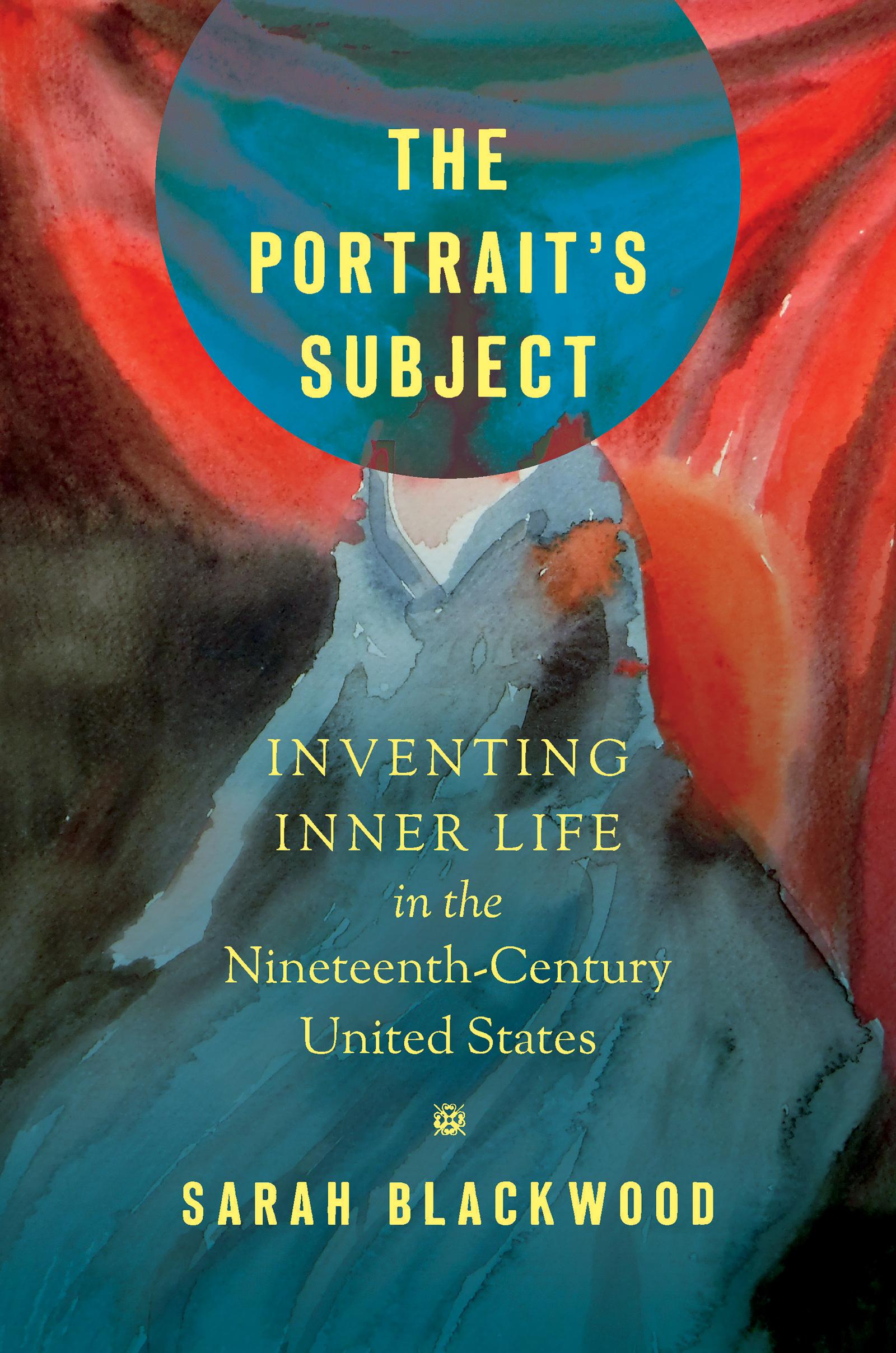
Between the invention of photography in 1839 and the end of the nineteenth century, portraiture became one of the most popular and common art forms in the United States. In The Portrait’s Subject, Sarah Blackwood tells a wide-ranging story about how images of human surfaces came to signal expressions of human depth during this era in paintings, photographs, and illustrations, as well as in literary and cultural representations of portrait making and viewing. Combining visual theory, literary close reading, and archival research, Blackwood examines portraiture’s changing symbolic and aesthetic practices, from daguerreotype to X-ray. Portraiture, the book argues, was a provocative art form used by writers, artists, and early psychologists to imagine selfhood as hidden, deep, and in need of revelation, ideas that were then taken up by the developing discipline of psychology.
The Portrait’s Subject reveals the underappreciated connections between portraiture’s representations of the material human body and developing modern ideas about the human mind. It encouraged figures like Frederick Douglass, Nathaniel Hawthorne, Thomas Eakins, Harriet Jacobs, and Henry James to reimagine how we might see inner life, offering a rich array of metaphors and aesthetic approaches that helped reconfigure the relationship between body and mind, exterior and interior. In the end, Blackwood shows how nineteenth-century psychological discourse developed as much through aesthetic fabulation as through scientific experimentation.
The Portrait’s Subject reveals the underappreciated connections between portraiture’s representations of the material human body and developing modern ideas about the human mind. It encouraged figures like Frederick Douglass, Nathaniel Hawthorne, Thomas Eakins, Harriet Jacobs, and Henry James to reimagine how we might see inner life, offering a rich array of metaphors and aesthetic approaches that helped reconfigure the relationship between body and mind, exterior and interior. In the end, Blackwood shows how nineteenth-century psychological discourse developed as much through aesthetic fabulation as through scientific experimentation.
Betal nemt med kort, Klarna, Apple Pay eller Google Pay. Ikke tilfreds? Du har altid 14 dages fortrydelsesret. Læs mere i vores vilkår. Har du spørgsmål, så send os en mail på hello@memmo.org.
Memmo gør det nemmere at studere – uanset hvor du er i verden. Hos os samler du dine kursusbøger og smarte studieværktøjer ét sted: resuméer, quizzer, podcasts og flashcards. Og så er der Ted, din studieven, der svarer på alt, du undrer dig over. Over 50 000 studerende studerer allerede her – bygget til at hjælpe dig med at lære hurtigere og stresse mindre.
Du kan måske også lide
Køb bogen0