
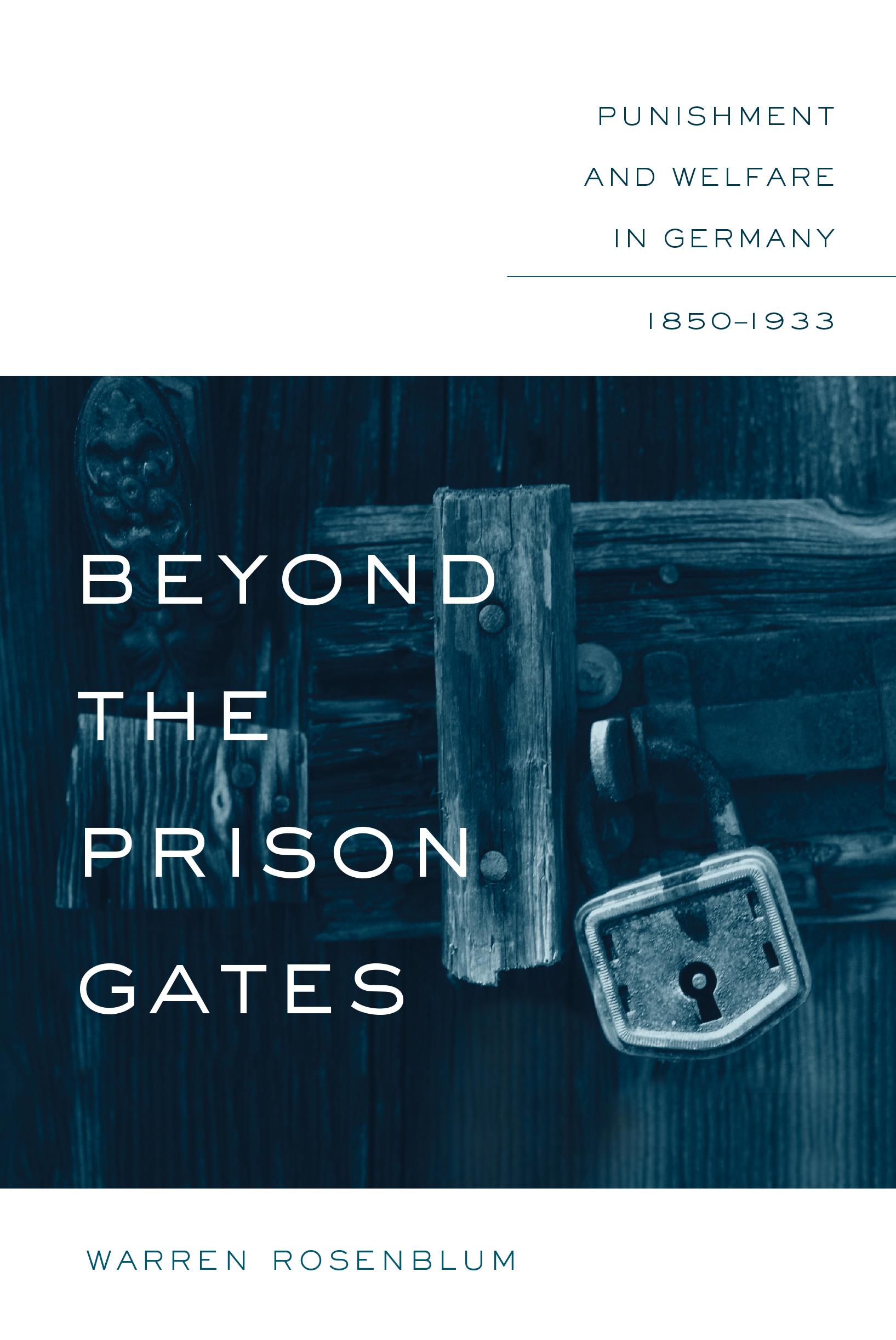
Germany today has one of the lowest incarceration rates in the industrialized world, and social welfare principles play an essential role at all levels of the German criminal justice system. Warren Rosenblum examines the roots of this social approach to criminal policy in the reform movements of the Wilhelmine and Weimar periods, when reformers strove to replace state institutions of control and incarceration with private institutions of protective supervision.
Reformers believed that private charities and volunteers could diagnose and treat social pathologies in a way that coercive state institutions could not. The expansion of welfare for criminals set the stage for a more economical system of punishment, Rosenblum argues, but it also opened the door to new, more expansive controls over individuals marked as “asocial.” With the reformers' success, the issue of who had power over welfare became increasingly controversial and dangerous. Other historians have suggested that the triumph of eugenics in the 1890s was predicated upon the abandonment of liberal and Christian assumptions about human malleability. Rosenblum demonstrates, however, that the turn to “criminal biology” was not a reaction against social reform, but rather an effort to rescue its legitimacy.
Reformers believed that private charities and volunteers could diagnose and treat social pathologies in a way that coercive state institutions could not. The expansion of welfare for criminals set the stage for a more economical system of punishment, Rosenblum argues, but it also opened the door to new, more expansive controls over individuals marked as “asocial.” With the reformers' success, the issue of who had power over welfare became increasingly controversial and dangerous. Other historians have suggested that the triumph of eugenics in the 1890s was predicated upon the abandonment of liberal and Christian assumptions about human malleability. Rosenblum demonstrates, however, that the turn to “criminal biology” was not a reaction against social reform, but rather an effort to rescue its legitimacy.
Betal nemt med kort, Klarna, Apple Pay eller Google Pay. Ikke tilfreds? Du har altid 14 dages fortrydelsesret. Læs mere i vores vilkår. Har du spørgsmål, så send os en mail på hello@memmo.org.
Memmo gør det nemmere at studere – uanset hvor du er i verden. Hos os samler du dine kursusbøger og smarte studieværktøjer ét sted: resuméer, quizzer, podcasts og flashcards. Og så er der Ted, din studieven, der svarer på alt, du undrer dig over. Over 50 000 studerende studerer allerede her – bygget til at hjælpe dig med at lære hurtigere og stresse mindre.
Du kan måske også lide
Køb bogen0