
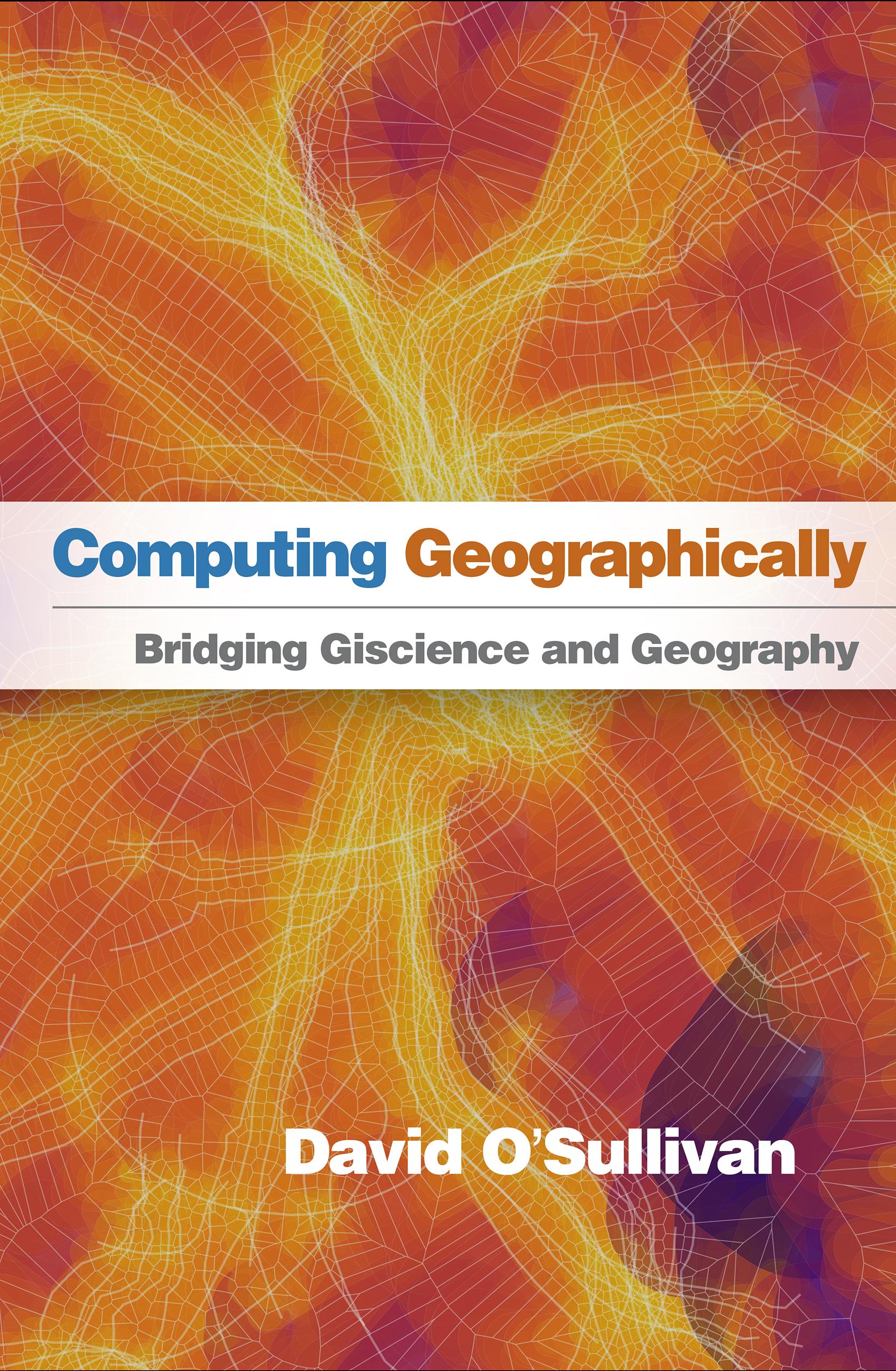
Geographic information science (GISc) and systems (GIS) have grown rapidly in recent decades, increasingly on a separate track from geographic thought. As geography's "big ideas"--such as space, place, boundaries, scale, process, and relationality--have evolved, what does this mean for their computational representation? This book considers how key concepts have developed in geography and are represented (or not) in GISc, with a view to bridging gaps between the two. David O'Sullivan shows how revisiting the theoretical underpinnings of geography offers insights on enduring GIS challenges--including map projections, the modifiable areal unit problem, scale and map generalization, and the nature of space and place--while also enriching geographic thought. The book uses examples from across geography's subdisciplines to promote understanding. Chapters are self-contained essays that can easily form the basis of classroom discussions. The companion website provides the figures, code to produce versions of selected figures, updated web links, and other resources.
Betal nemt med kort, Klarna, Apple Pay eller Google Pay. Ikke tilfreds? Du har altid 14 dages fortrydelsesret. Læs mere i vores vilkår. Har du spørgsmål, så send os en mail på hello@memmo.org.
Memmo gør det nemmere at studere – uanset hvor du er i verden. Hos os samler du dine kursusbøger og smarte studieværktøjer ét sted: resuméer, quizzer, podcasts og flashcards. Og så er der Ted, din studieven, der svarer på alt, du undrer dig over. Over 50 000 studerende studerer allerede her – bygget til at hjælpe dig med at lære hurtigere og stresse mindre.
Du kan måske også lide
Køb bogen0