
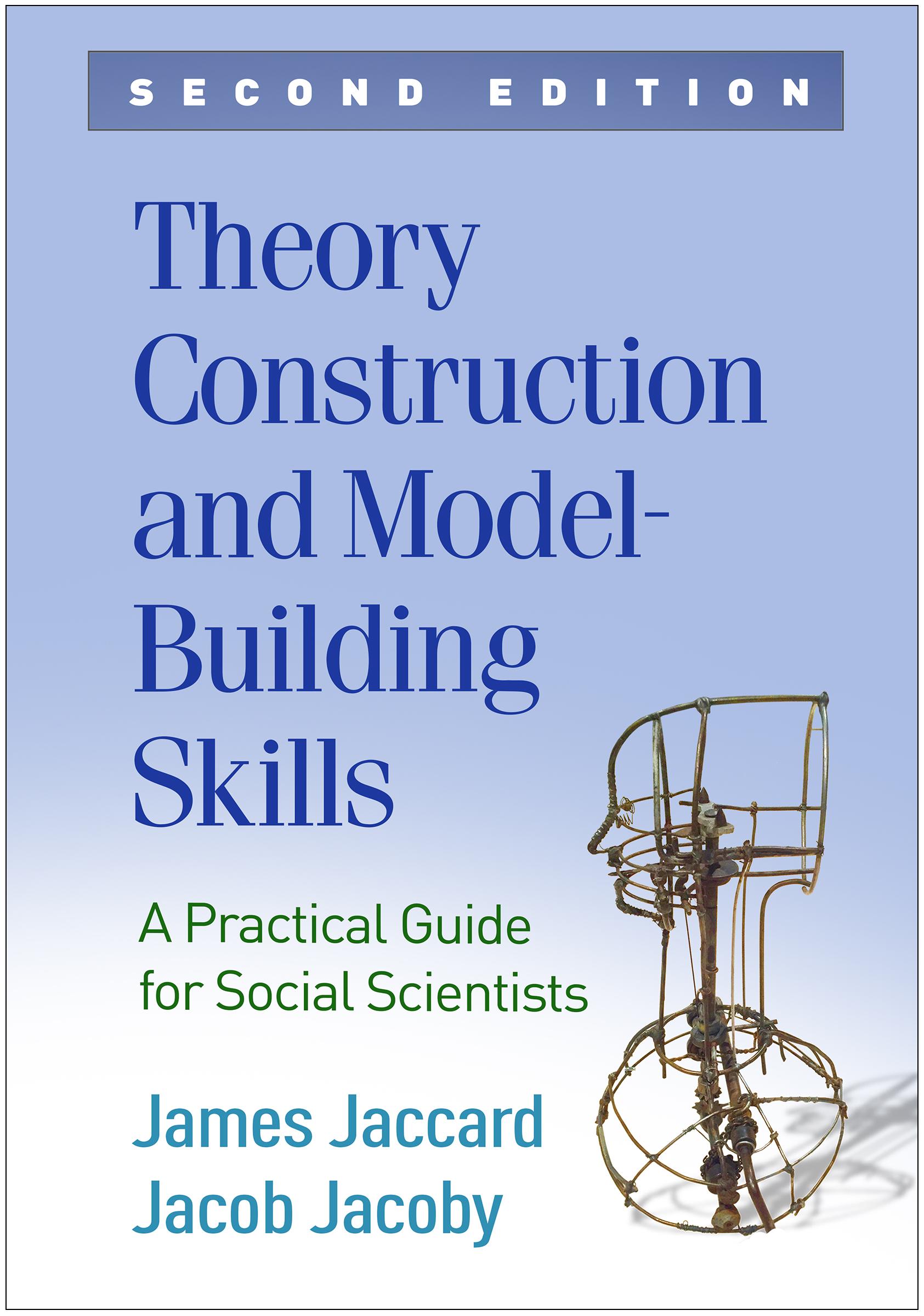
This accessible, hands-on text has now been revised and updated, with expanded coverage of topics including how theory may emerge from exploratory data analysis. The book prepares graduate students, new researchers, and even seasoned investigators to develop their own theories and build on existing ones. Concrete strategies are provided to help readers generate ideas, define constructs, and think through relationships and processes that link constructs. Compelling examples from multiple disciplines illustrate the use of quantitative, qualitative, and mixed methods orientations to theory construction. The text also offers practical advice for writing effectively about theories in papers and grant applications. Readers learn by doing via application and concept exercises, demonstration boxes, and practical guidelines. The extensive companion website (www.theory-construction.com) includes PowerPoint slides of all of the book’s figures, primers on advanced topics, video demonstrations, supplemental exercises, and other resources.
New to This Edition
*Emergent theory is now covered in mixed methods as well as qualitative approaches, plus in a new chapter on exploratory quantitative methods that can help generate new theory through data mining.
*Chapter on whether and how to revise a theory when faced with disconfirmatory data.
*Two chapters on the theoretical underpinnings of measurement practices.
*New or expanded discussions of what constitutes a theoretical contribution, conceptual logic models, thought experiments, and more.
Pedagogical Features
*Application and concept exercises in every chapter.
*Lists of key terms and engaging topical boxes.
*Annotated suggestions for further reading.
*New companion website with rich resources for students and instructors.
*Chapters stand on their own and can be used in any order.
New to This Edition
*Emergent theory is now covered in mixed methods as well as qualitative approaches, plus in a new chapter on exploratory quantitative methods that can help generate new theory through data mining.
*Chapter on whether and how to revise a theory when faced with disconfirmatory data.
*Two chapters on the theoretical underpinnings of measurement practices.
*New or expanded discussions of what constitutes a theoretical contribution, conceptual logic models, thought experiments, and more.
Pedagogical Features
*Application and concept exercises in every chapter.
*Lists of key terms and engaging topical boxes.
*Annotated suggestions for further reading.
*New companion website with rich resources for students and instructors.
*Chapters stand on their own and can be used in any order.
Betal nemt med kort, Klarna, Apple Pay eller Google Pay. Ikke tilfreds? Du har altid 14 dages fortrydelsesret. Læs mere i vores vilkår. Har du spørgsmål, så send os en mail på hello@memmo.org.
Memmo gør det nemmere at studere – uanset hvor du er i verden. Hos os samler du dine kursusbøger og smarte studieværktøjer ét sted: resuméer, quizzer, podcasts og flashcards. Og så er der Ted, din studieven, der svarer på alt, du undrer dig over. Over 50 000 studerende studerer allerede her – bygget til at hjælpe dig med at lære hurtigere og stresse mindre.
Du kan måske også lide
Køb bogen0