
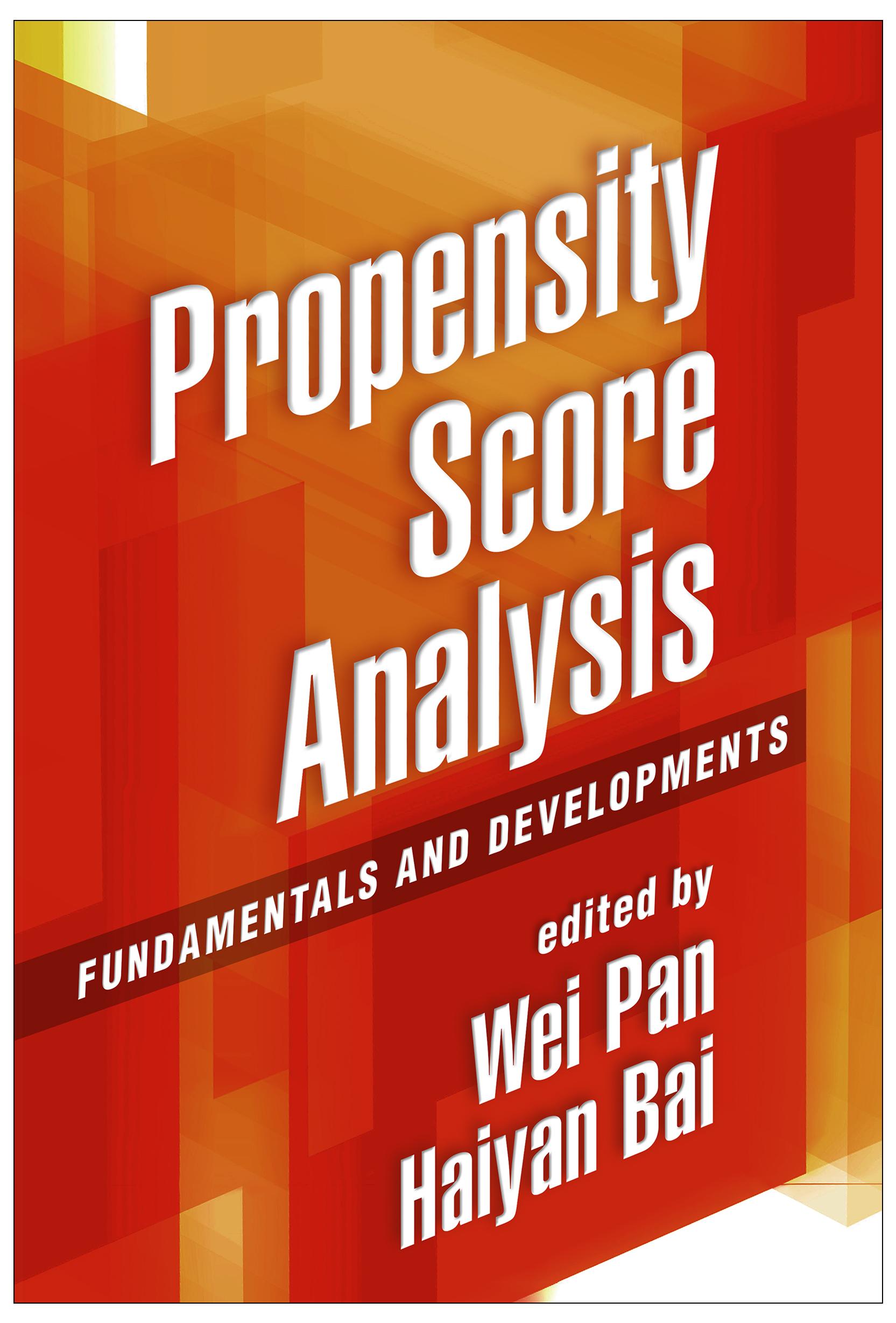
This book is designed to help researchers better design and analyze observational data from quasi-experimental studies and improve the validity of research on causal claims. It provides clear guidance on the use of different propensity score analysis (PSA) methods, from the fundamentals to complex, cutting-edge techniques. Experts in the field introduce underlying concepts and current issues and review relevant software programs for PSA. The book addresses the steps in propensity score estimation, including the use of generalized boosted models, how to identify which matching methods work best with specific types of data, and the evaluation of balance results on key background covariates after matching. Also covered are applications of PSA with complex data, working with missing data, controlling for unobserved confounding, and the extension of PSA to prognostic score analysis for causal inference. User-friendly features include statistical program codes and application examples. Data and software code for the examples are available at the companion website (www.guilford.com/pan-materials).
Betal nemt med kort, Klarna, Apple Pay eller Google Pay. Ikke tilfreds? Du har altid 14 dages fortrydelsesret. Læs mere i vores vilkår. Har du spørgsmål, så send os en mail på hello@memmo.org.
Memmo gør det nemmere at studere – uanset hvor du er i verden. Hos os samler du dine kursusbøger og smarte studieværktøjer ét sted: resuméer, quizzer, podcasts og flashcards. Og så er der Ted, din studieven, der svarer på alt, du undrer dig over. Over 50 000 studerende studerer allerede her – bygget til at hjælpe dig med at lære hurtigere og stresse mindre.
Du kan måske også lide
Køb bogen0