
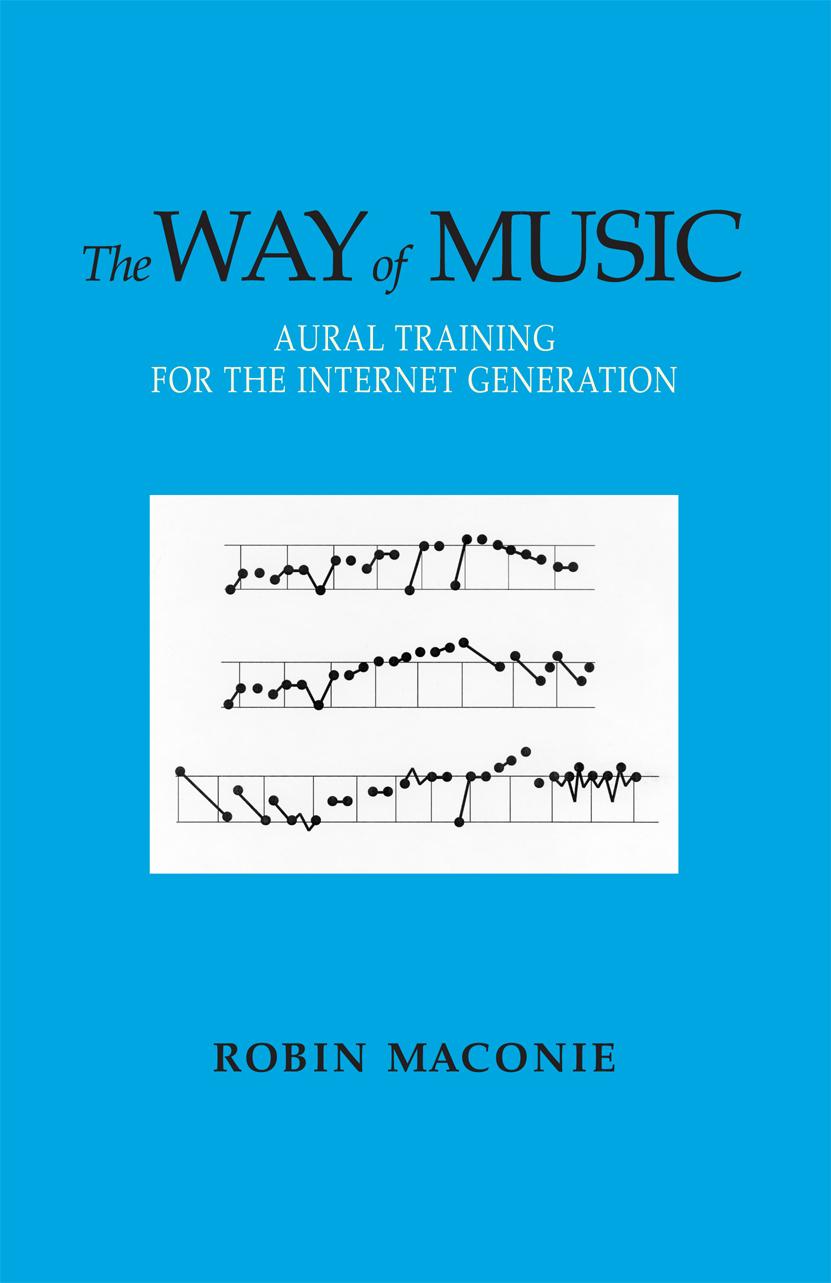
Here at last is a listener's guide to the hidden meanings of western classical music, expressed in accessible, jargon-free language and drawing on universal listening experiences and skills. The Way of Music is six booklets in one volume; it is a study guide in attention training, listening skills, and music appreciation for students, teachers, and the general reader. Each book is complete in itself, to be read and used as part of a multilayered database of musical meaning.
Alternating aphorism and explanation, Books 1 and 2 inquire into hearing and communication processes using the example of a barking dog, while Books 3 and 4 extend the range of inquiry into the acoustics and performance of ethnic and classical music. Book 5 offers a substantial survey of over 100 examples of recorded music, providing a history of western music and culture, and incorporating discussion and assignment topics. The final book presents the range of class, gender, and cultural perspectives found in 101 adult student responses to the slow movement of Beethoven's Piano Concerto No. 4. Drawing on Robin Maconie's earlier work, The Second Sense: Language Music and Hearing (2002), The Way of Music presents many of the same insights in highly encapsulated form for readers in the text message age, taking the discussion of classical music out of music departments and returning it to a broader public and educational arena.
Student Observations:
"You learn logic, reason, and a sort of sensitivity to the passage of time from listening to classical music."
"Music, when one is trained to listen, helps to improve your senses. Your sense of hearing is heightened; you become more alert, because you are concentrating on many different instruments and sounds simultaneously."
"Music reaches beyond the improvement of academic performance to a realm of improvement of the human condition."
Alternating aphorism and explanation, Books 1 and 2 inquire into hearing and communication processes using the example of a barking dog, while Books 3 and 4 extend the range of inquiry into the acoustics and performance of ethnic and classical music. Book 5 offers a substantial survey of over 100 examples of recorded music, providing a history of western music and culture, and incorporating discussion and assignment topics. The final book presents the range of class, gender, and cultural perspectives found in 101 adult student responses to the slow movement of Beethoven's Piano Concerto No. 4. Drawing on Robin Maconie's earlier work, The Second Sense: Language Music and Hearing (2002), The Way of Music presents many of the same insights in highly encapsulated form for readers in the text message age, taking the discussion of classical music out of music departments and returning it to a broader public and educational arena.
Student Observations:
"You learn logic, reason, and a sort of sensitivity to the passage of time from listening to classical music."
"Music, when one is trained to listen, helps to improve your senses. Your sense of hearing is heightened; you become more alert, because you are concentrating on many different instruments and sounds simultaneously."
"Music reaches beyond the improvement of academic performance to a realm of improvement of the human condition."
Betal nemt med kort, Klarna, Apple Pay eller Google Pay. Ikke tilfreds? Du har altid 14 dages fortrydelsesret. Læs mere i vores vilkår. Har du spørgsmål, så send os en mail på hello@memmo.org.
Memmo gør det nemmere at studere – uanset hvor du er i verden. Hos os samler du dine kursusbøger og smarte studieværktøjer ét sted: resuméer, quizzer, podcasts og flashcards. Og så er der Ted, din studieven, der svarer på alt, du undrer dig over. Over 50 000 studerende studerer allerede her – bygget til at hjælpe dig med at lære hurtigere og stresse mindre.