
While Iceland is the second largest inhabited island in Europe, with only 313,000 inhabitants in 2007, the Icelanders form one of the smallest independent nations in the world. Around two-thirds of the population lives in the capital, Reykjavík, and its suburbs, while the rest is spread around the inhabitable area of the country. Until fairly recently the Icelandic nation was unusually homogeneous, both in cultural and religious terms; in 1981, around 98 percent of the nation was born in Iceland and 96 percent belonged to the Lutheran state church or other Lutheran religious sects. In 2007, these numbers were down to 89 and 86 percent respectively, reflecting the rapidly growing multicultural nature of Icelandic society.
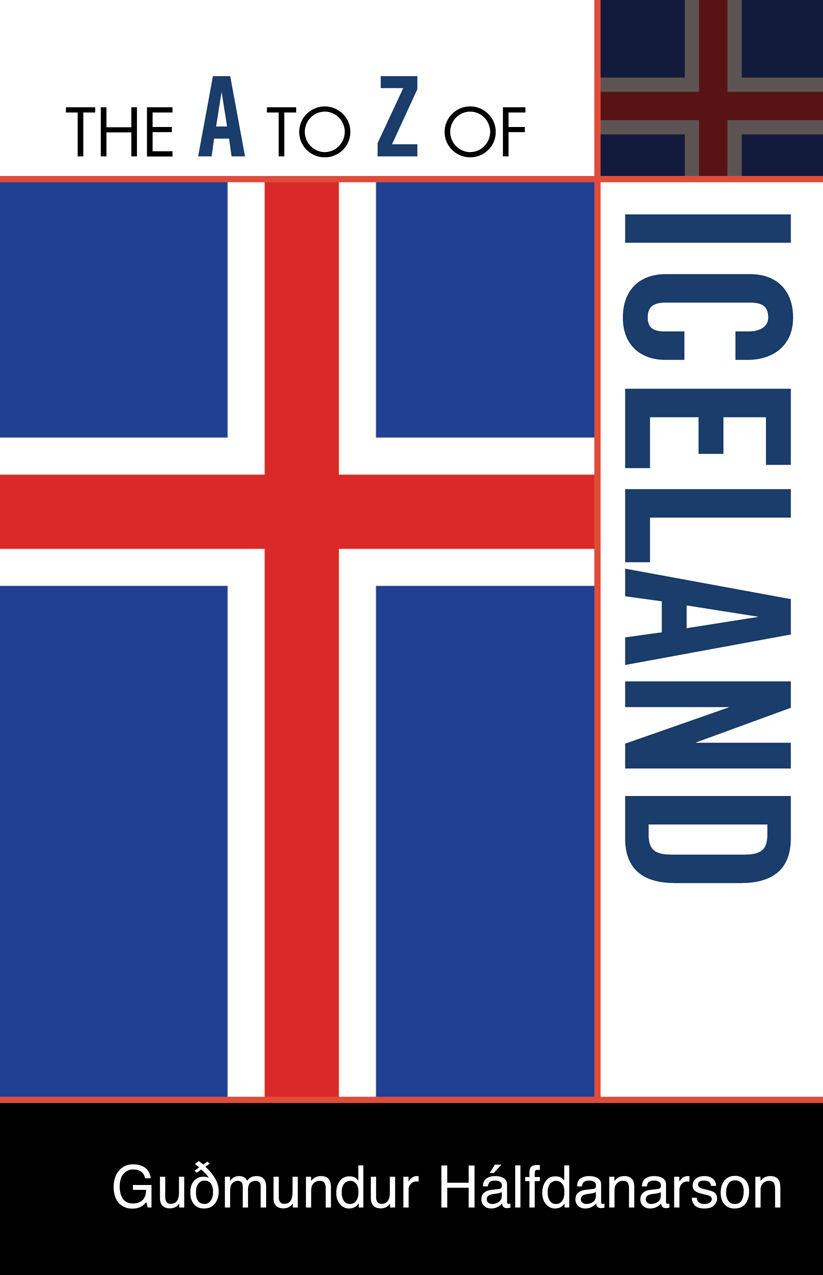
The A to Z of Iceland traces Iceland's history and provides a compass for the direction the country is heading. This is done through its chronology, introductory essays, appendixes, map, bibliography, and hundreds of cross-referenced dictionary entries on important persons, places, events, and institutions and significant political, economic, social, and cultural aspects.
The A to Z of Iceland traces Iceland's history and provides a compass for the direction the country is heading. This is done through its chronology, introductory essays, appendixes, map, bibliography, and hundreds of cross-referenced dictionary entries on important persons, places, events, and institutions and significant political, economic, social, and cultural aspects.
Betal nemt med kort, Klarna, Apple Pay eller Google Pay. Ikke tilfreds? Du har altid 14 dages fortrydelsesret. Læs mere i vores vilkår. Har du spørgsmål, så send os en mail på hello@memmo.org.
Memmo gør det nemmere at studere – uanset hvor du er i verden. Hos os samler du dine kursusbøger og smarte studieværktøjer ét sted: resuméer, quizzer, podcasts og flashcards. Og så er der Ted, din studieven, der svarer på alt, du undrer dig over. Over 50 000 studerende studerer allerede her – bygget til at hjælpe dig med at lære hurtigere og stresse mindre.