
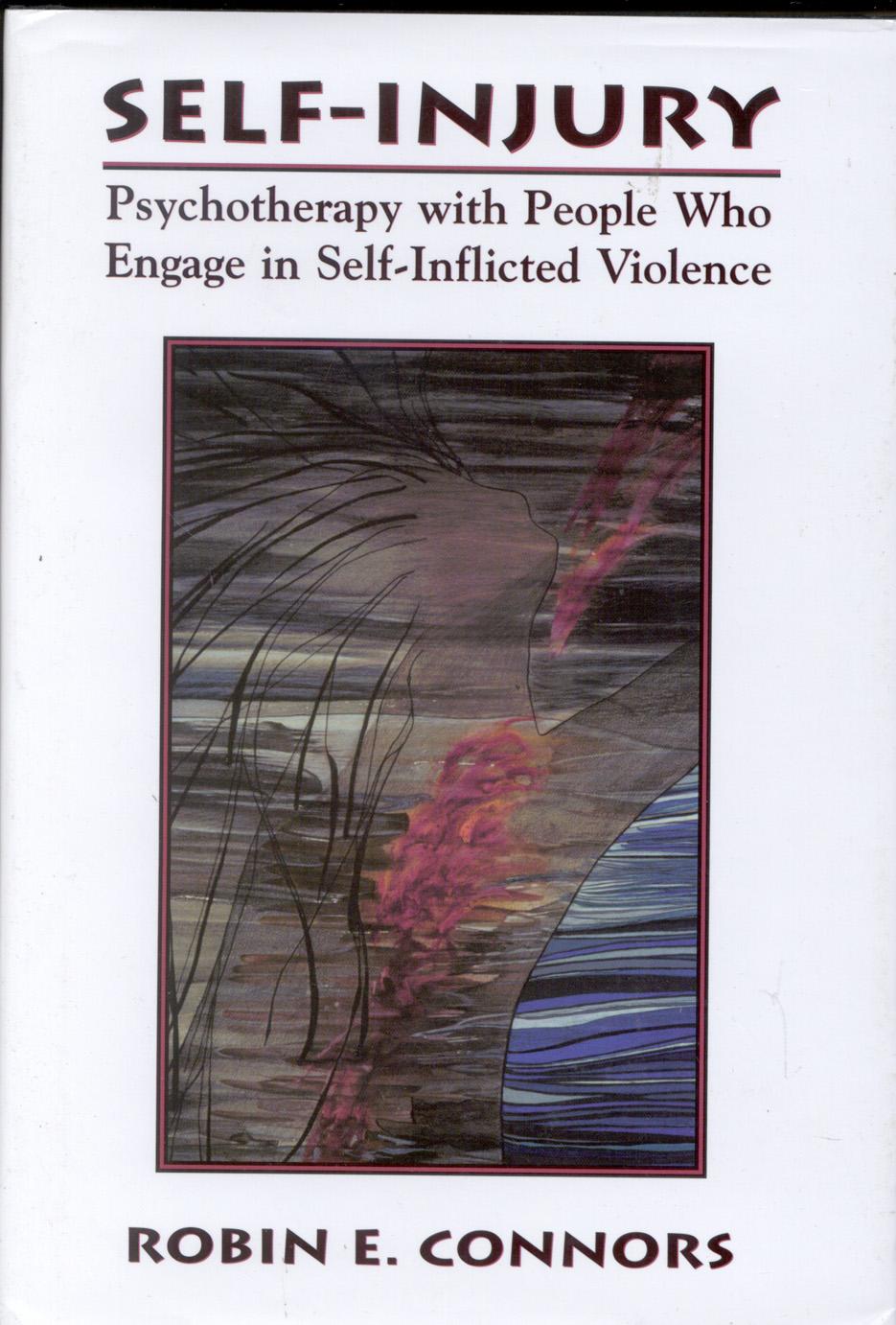
People who directly injure their bodies are increasingly seeking help from psychotherapists. Coming out of the closet of shame, they are turning to professionals for understanding, compassion, and healing. Because of the potent nature of self-injury and the variety of issues it touches, clinical responses to it have often been only moderately beneficial and, in too many cases, distinctly harmful.
In this perceptive work, Dr. Robin Connors offers helpful guidelines to clinicians that will improve their capacity to respond in a direct, effective, and respectful way to people who self-injure. Key to this work is understanding the function of self-inflicted violence and its relationship to unresolved traumas and losses, including the role of trauma in disrupting the formation of the self-boundary. Dr. Connors identifies fundamental therapeutic tasks, gives clear examples of interventions, and offers concrete recommendations for interacting with patients about their self-injury.
A range of related issues are addressed as well, from repairing inadequate self-boundaries to using adjunct therapies. Finally, the task of determining right action in light of strong countertransferential responses is explored, including situations where self-injury occurs in the therapist's presence. In this exceptional book, Dr. Connors gives us the words to describe the pain beneath self-injuring behavior, and a blueprint for providing the compassionate understanding that is a prerequisite for healing.
In this perceptive work, Dr. Robin Connors offers helpful guidelines to clinicians that will improve their capacity to respond in a direct, effective, and respectful way to people who self-injure. Key to this work is understanding the function of self-inflicted violence and its relationship to unresolved traumas and losses, including the role of trauma in disrupting the formation of the self-boundary. Dr. Connors identifies fundamental therapeutic tasks, gives clear examples of interventions, and offers concrete recommendations for interacting with patients about their self-injury.
A range of related issues are addressed as well, from repairing inadequate self-boundaries to using adjunct therapies. Finally, the task of determining right action in light of strong countertransferential responses is explored, including situations where self-injury occurs in the therapist's presence. In this exceptional book, Dr. Connors gives us the words to describe the pain beneath self-injuring behavior, and a blueprint for providing the compassionate understanding that is a prerequisite for healing.
Betal nemt med kort, Klarna, Apple Pay eller Google Pay. Ikke tilfreds? Du har altid 14 dages fortrydelsesret. Læs mere i vores vilkår. Har du spørgsmål, så send os en mail på hello@memmo.org.
Memmo gør det nemmere at studere – uanset hvor du er i verden. Hos os samler du dine kursusbøger og smarte studieværktøjer ét sted: resuméer, quizzer, podcasts og flashcards. Og så er der Ted, din studieven, der svarer på alt, du undrer dig over. Over 50 000 studerende studerer allerede her – bygget til at hjælpe dig med at lære hurtigere og stresse mindre.