
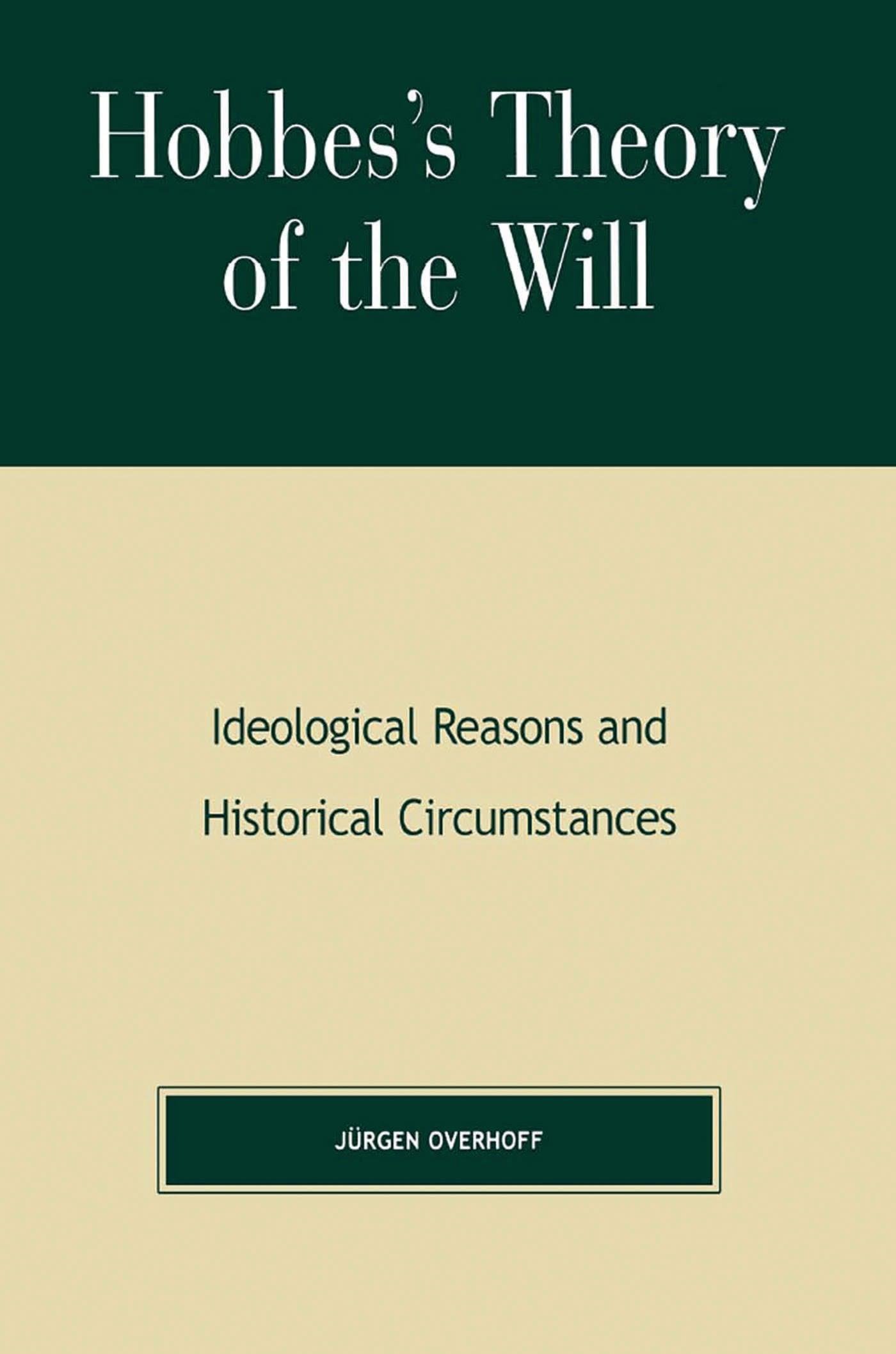
In Hobbes's Theory of the Will, Jurgen Overhoff reveals the religious, ethical, and political consequences of Thomas Hobbes's doctrine of volition. The author gracefully describes how Hobbes's thought was governed by assumptions based firmly in Galilean natural philosophy and orthodox Protestant theology. Overhoff also demonstrates how his subject used materialist eschatology and an absolutist political theory to resolve the social and ethical predicaments that coincided with these assumptions. Finally, Overhoff provides a chronological study of the numerous philosophical, theological, religious and political aspects of Hobbes's idea of the will and situates Hobbes's doctrine within the context of the most important responses and objections put forward by his critics.
Betal nemt med kort, Klarna, Apple Pay eller Google Pay. Ikke tilfreds? Du har altid 14 dages fortrydelsesret. Læs mere i vores vilkår. Har du spørgsmål, så send os en mail på hello@memmo.org.
Memmo gør det nemmere at studere – uanset hvor du er i verden. Hos os samler du dine kursusbøger og smarte studieværktøjer ét sted: resuméer, quizzer, podcasts og flashcards. Og så er der Ted, din studieven, der svarer på alt, du undrer dig over. Over 50 000 studerende studerer allerede her – bygget til at hjælpe dig med at lære hurtigere og stresse mindre.