
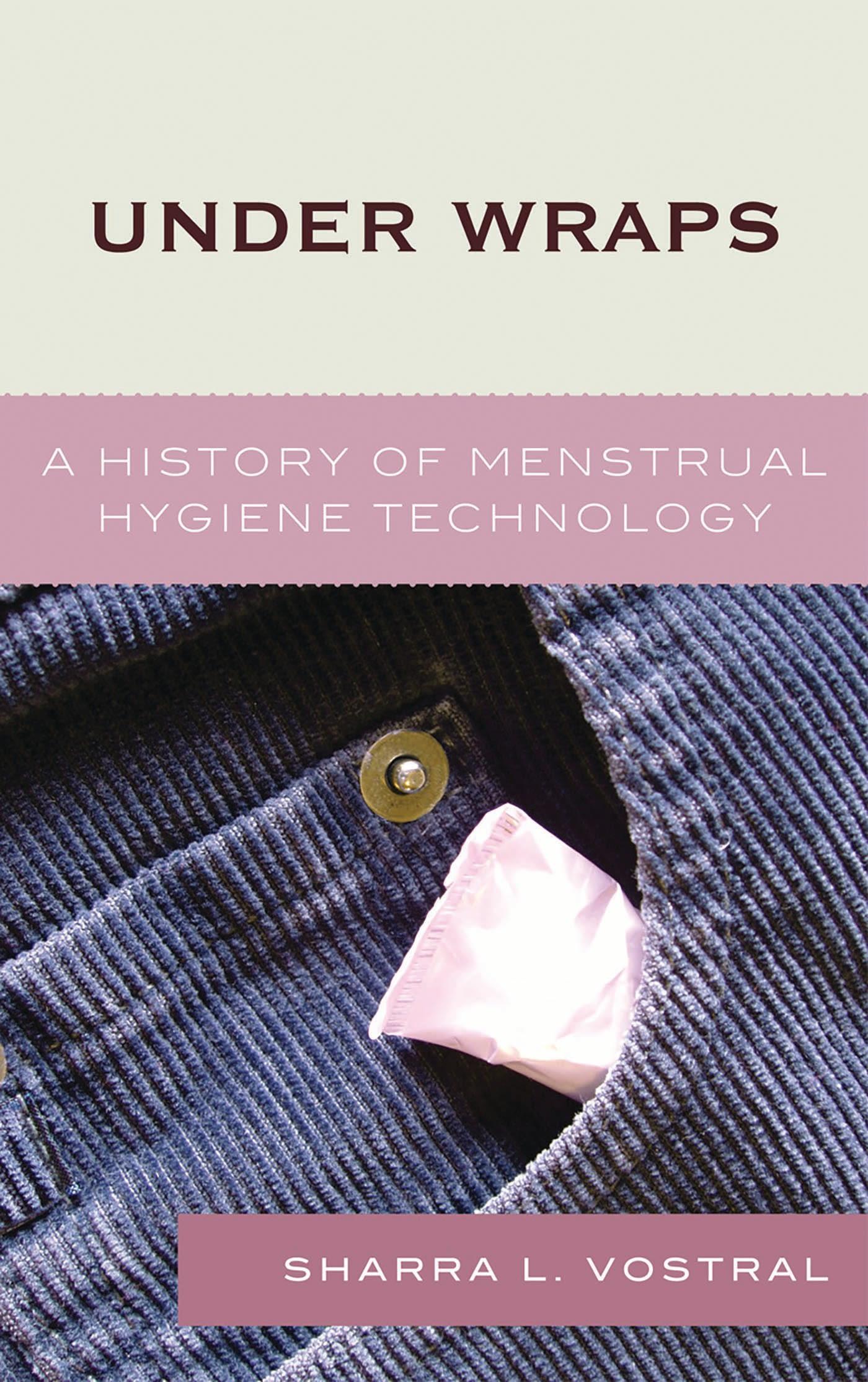
Menstruation provides one of the few shared bodily functions that most women will experience during their lifetimes. Yet, these experiences are anything but common. In the United States, for the better part of the twentieth century, menstruation went hand-in-glove with menstrual hygiene. But how and why did this occur? This book looks at the social history of menstrual hygiene by examining it as a technology. In doing so, the lens of technology provides a way to think about menstrual artifacts, how the artifacts are used, and how women gained the knowledge and skills to use them. As technological users, women developed great savvy in manipulating belts, pins, and pads, and using tampons to effectively mask their entire menstrual period. This masking is a form of passing, though it is not often thought of in that way. By using a technology of passing, a woman might pass temporarily as a non-bleeder, which could help her perform her work duties and not get fired or maintain social engagements like swimming at a summer party and not be marked as having her period. How women use technologies of passing, and the resulting politics of secrecy, are a part of women's history that has remained under wraps.
Betal nemt med kort, Klarna, Apple Pay eller Google Pay. Ikke tilfreds? Du har altid 14 dages fortrydelsesret. Læs mere i vores vilkår. Har du spørgsmål, så send os en mail på hello@memmo.org.
Memmo gør det nemmere at studere – uanset hvor du er i verden. Hos os samler du dine kursusbøger og smarte studieværktøjer ét sted: resuméer, quizzer, podcasts og flashcards. Og så er der Ted, din studieven, der svarer på alt, du undrer dig over. Over 50 000 studerende studerer allerede her – bygget til at hjælpe dig med at lære hurtigere og stresse mindre.