
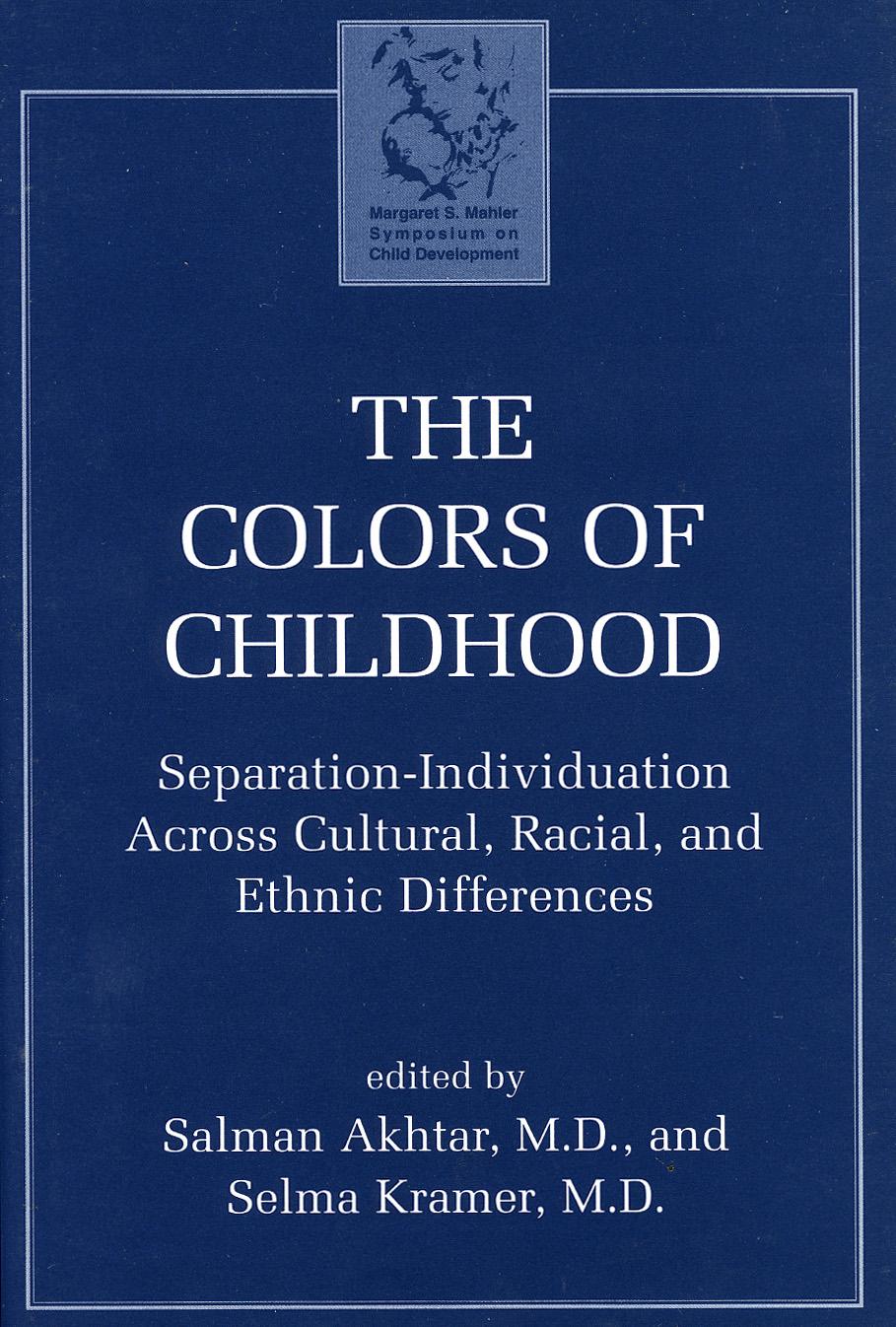
How does culture affect child-rearing practices? How do factors such as poverty, ethnic difference, racial minority status, and having immigrant parents alter the experience of a growing child? Are there culturally distinct sub-groups within the African-American population? How ubiquitous are psychoanalytically derived schedules of personality development? In what form and to what extent are transference and countertransference affected by such racial, ethnic, and economic issues? In this volume, eight distinguished psychoanalysts (including some belonging to ethnic and racial minorities) attempt to answer these questions. They provide illuminating details of child-rearing practices in African-American, Indian, and Japanese families. They interweave mythological legacies, historical background, ethnographic data, and clinical observations into a rich tapestry of knowledge, empathy, and understanding. They try to tease out the variables of socioeconomic class from the issue of race and the ambiguities consequent upon raising children in a new and unfamiliar land from the ordinary and inevitable conflicts between generations.
Betal nemt med kort, Klarna, Apple Pay eller Google Pay. Ikke tilfreds? Du har altid 14 dages fortrydelsesret. Læs mere i vores vilkår. Har du spørgsmål, så send os en mail på hello@memmo.org.
Memmo gør det nemmere at studere – uanset hvor du er i verden. Hos os samler du dine kursusbøger og smarte studieværktøjer ét sted: resuméer, quizzer, podcasts og flashcards. Og så er der Ted, din studieven, der svarer på alt, du undrer dig over. Over 50 000 studerende studerer allerede her – bygget til at hjælpe dig med at lære hurtigere og stresse mindre.