
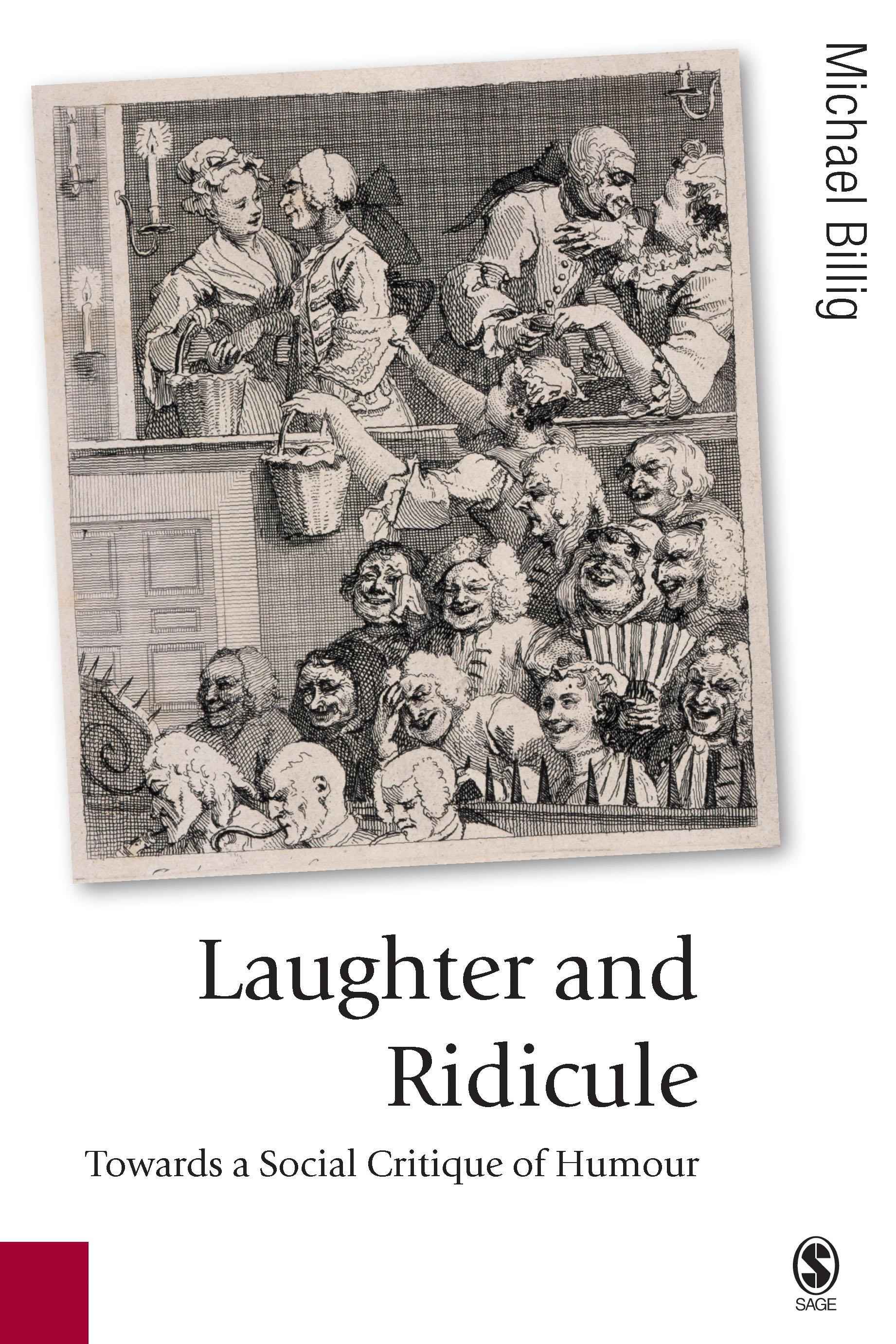
This delightful book tackles the prevailing assumption that laughter and humour are inherently good. In developing a critique of humour the author proposes a social theory that places humour - in the form of ridicule - as central to social life. Billig argues that all cultures use ridicule as a disciplinary means to uphold norms of conduct and conventions of meaning.
Historically, theories of humour reflect wider visions of politics, morality and aesthetics. For example, Bergson argued that humour contains an element of cruelty while Freud suggested that we deceive ourselves about the true nature of our laughter. Billig discusses these and other theories, while using the topic of humour to throw light on the perennial social problems of regulation, control and emancipation.
Betal nemt med kort, Klarna, Apple Pay eller Google Pay. Ikke tilfreds? Du har altid 14 dages fortrydelsesret. Læs mere i vores vilkår. Har du spørgsmål, så send os en mail på hello@memmo.org.
Memmo gør det nemmere at studere – uanset hvor du er i verden. Hos os samler du dine kursusbøger og smarte studieværktøjer ét sted: resuméer, quizzer, podcasts og flashcards. Og så er der Ted, din studieven, der svarer på alt, du undrer dig over. Over 50 000 studerende studerer allerede her – bygget til at hjælpe dig med at lære hurtigere og stresse mindre.