
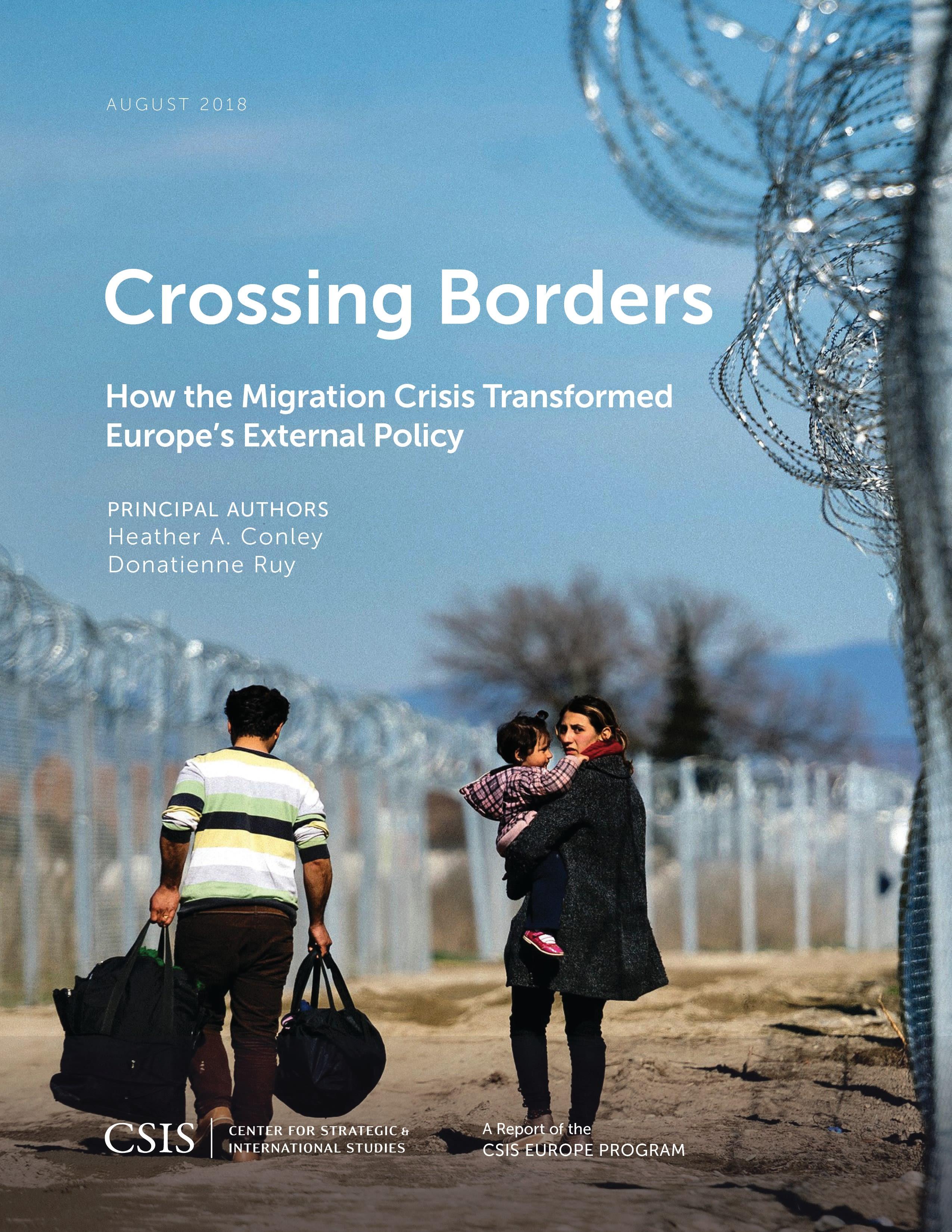
In recent years, Europe has seen its largest influx of migrants and refugees in decades, with 1.9 million arrivals to the continent between 2014 and 2017. Peak arrivals in 2015, and sustained flows since then, have found the European Union and its 28 member states unable to face what has been called the “European migration crisis.” Part of their response has focused on cooperation with third countries of transit or origin, by leveraging development, humanitarian, and foreign policy tools to try and reduce migrant flows to Europe, including through many funding and budgetary decisions. This report attempts to quantify, through budgetary analysis, what shifts occurred in the external dimension of Europe’s migration policy following the crisis, and in three member states (Germany, Sweden, and the Netherlands). These short-term shifts, representing policy priorities, carry long-term consequences for the European Union’s role as a foreign policy and soft power actor.
Betal nemt med kort, Klarna, Apple Pay eller Google Pay. Ikke tilfreds? Du har altid 14 dages fortrydelsesret. Læs mere i vores vilkår. Har du spørgsmål, så send os en mail på hello@memmo.org.
Memmo gør det nemmere at studere – uanset hvor du er i verden. Hos os samler du dine kursusbøger og smarte studieværktøjer ét sted: resuméer, quizzer, podcasts og flashcards. Og så er der Ted, din studieven, der svarer på alt, du undrer dig over. Over 50 000 studerende studerer allerede her – bygget til at hjælpe dig med at lære hurtigere og stresse mindre.