
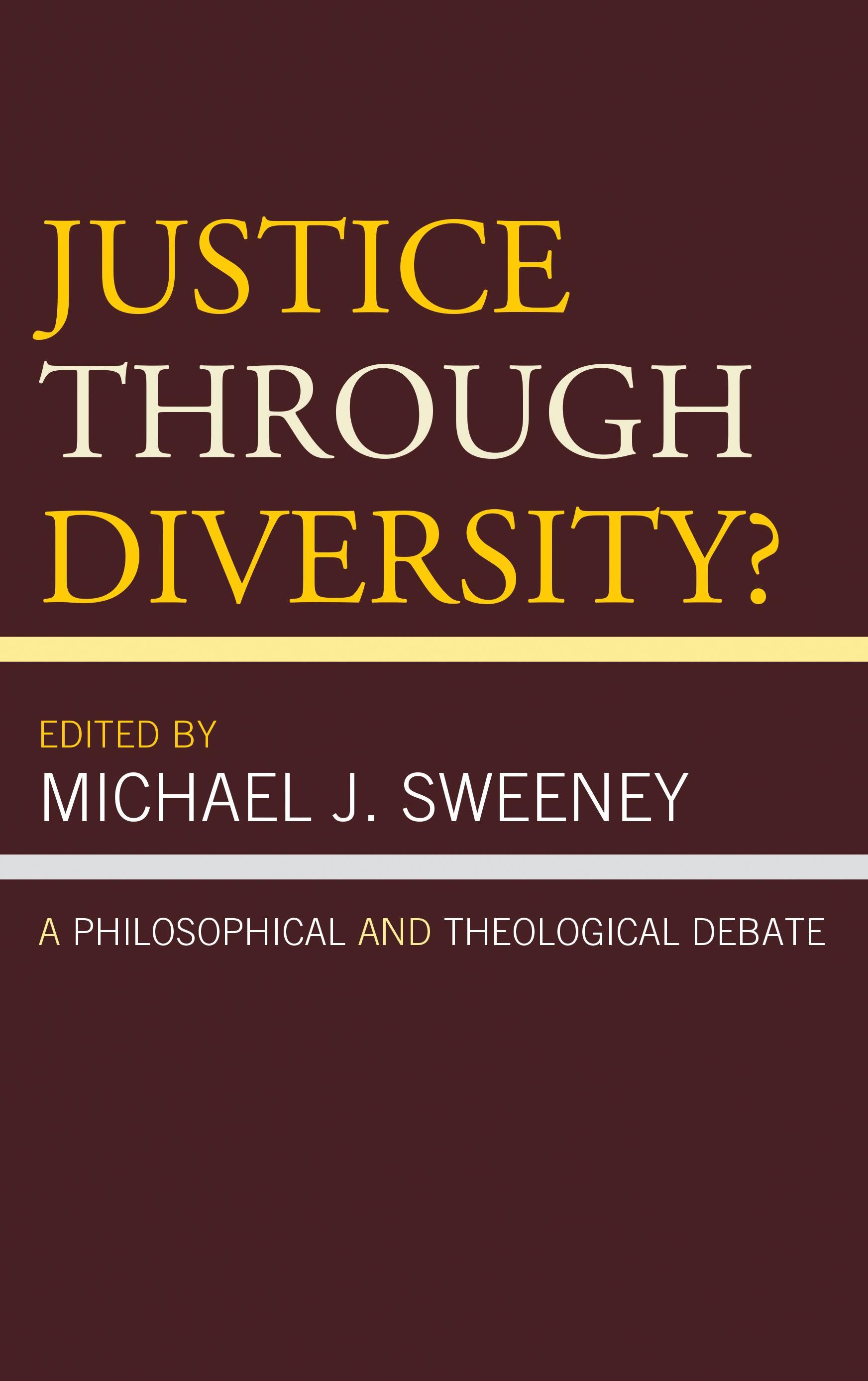
Arguably the most transformative force in contemporary society is the commitment to justice through diversity. A prime example is the change justice through diversity has wrought on who enters, teaches and administers the university. It has changed the content of what is taught and the mission statements that define the purpose of higher education. What is rarely defined, however, is justice and how it is related to diversity. If justice is equality, are all differences equal? Are all differences in race, gender, sexual orientation, national origin, ethnicity, religion and culture equal? Should such differences be weighted differently and thus hierarchically? On what basis are those differences to be weighted and ranked to ensure equality? Justice Through Diversity brings together a Who’s Who of contemporary scholars to explore these questions and others in an attempt to understand one of the central commitments in the modern world.
Betal nemt med kort, Klarna, Apple Pay eller Google Pay. Ikke tilfreds? Du har altid 14 dages fortrydelsesret. Læs mere i vores vilkår. Har du spørgsmål, så send os en mail på hello@memmo.org.
Memmo gør det nemmere at studere – uanset hvor du er i verden. Hos os samler du dine kursusbøger og smarte studieværktøjer ét sted: resuméer, quizzer, podcasts og flashcards. Og så er der Ted, din studieven, der svarer på alt, du undrer dig over. Over 50 000 studerende studerer allerede her – bygget til at hjælpe dig med at lære hurtigere og stresse mindre.