
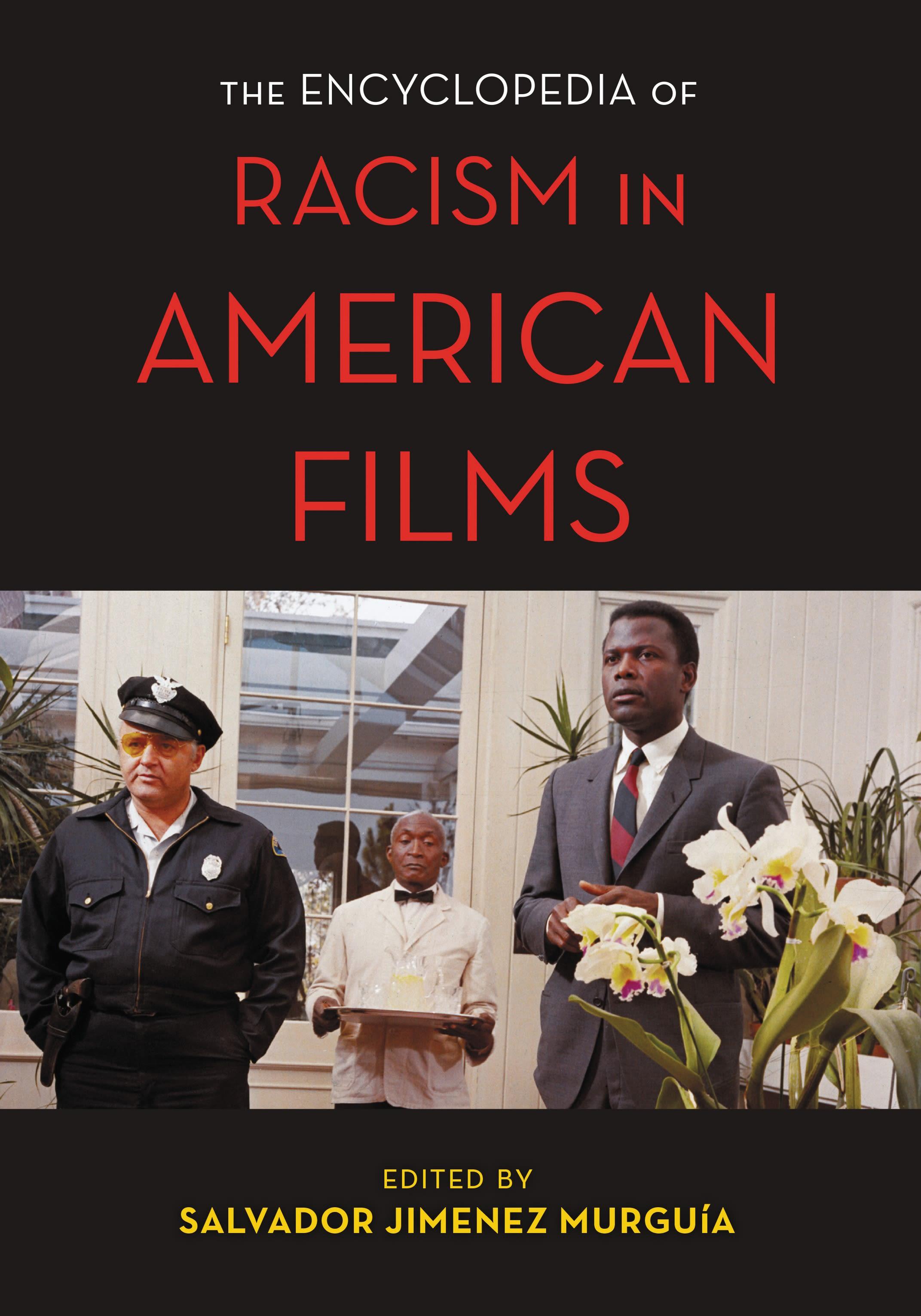
Winner, RUSA 2019 Outstanding References Source Winner and named a Library Journal Best Reference Book of the Year 2018
From D.W. Griffith’s Birth of a Nation in 1915 to the recent Get Out, audiences and critics alike have responded to racism in motion pictures for more than a century. Whether subtle or blatant, racially biased images and narratives erase minorities, perpetuate stereotypes, and keep alive practices of discrimination and marginalization. Even in the 21st century, the American film industry is not “color blind,” evidenced by films such as Babel (2006), A Better Life (2011), and 12 Years a Slave (2013).
The Encyclopedia of Racism in American Film documents one facet of racism in the film industry, wherein historically underrepresented peoples are misrepresented—through a lack of roles for actors of color, stereotyping, negative associations, and an absence of rich, nuanced characters. Offering insights and analysis from over seventy scholars, critics, and activists, the volume highlights issues such as:
Hollywood’s diversity crisisWhite Savior filmsMagic Negro tropesThe disconnect between screen images and lived realities of African Americans, Latinos, Native Americans, and Asians
A companion to the ever-growing field of race studies, this volume opens up a critical dialogue on an always timely issue. The Encyclopedia of Racism in American Film will appeal to scholars of cinema, race and ethnicity studies, and cultural history.
From D.W. Griffith’s Birth of a Nation in 1915 to the recent Get Out, audiences and critics alike have responded to racism in motion pictures for more than a century. Whether subtle or blatant, racially biased images and narratives erase minorities, perpetuate stereotypes, and keep alive practices of discrimination and marginalization. Even in the 21st century, the American film industry is not “color blind,” evidenced by films such as Babel (2006), A Better Life (2011), and 12 Years a Slave (2013).
The Encyclopedia of Racism in American Film documents one facet of racism in the film industry, wherein historically underrepresented peoples are misrepresented—through a lack of roles for actors of color, stereotyping, negative associations, and an absence of rich, nuanced characters. Offering insights and analysis from over seventy scholars, critics, and activists, the volume highlights issues such as:
Hollywood’s diversity crisisWhite Savior filmsMagic Negro tropesThe disconnect between screen images and lived realities of African Americans, Latinos, Native Americans, and Asians
A companion to the ever-growing field of race studies, this volume opens up a critical dialogue on an always timely issue. The Encyclopedia of Racism in American Film will appeal to scholars of cinema, race and ethnicity studies, and cultural history.
Betal nemt med kort, Klarna, Apple Pay eller Google Pay. Ikke tilfreds? Du har altid 14 dages fortrydelsesret. Læs mere i vores vilkår. Har du spørgsmål, så send os en mail på hello@memmo.org.
Memmo gør det nemmere at studere – uanset hvor du er i verden. Hos os samler du dine kursusbøger og smarte studieværktøjer ét sted: resuméer, quizzer, podcasts og flashcards. Og så er der Ted, din studieven, der svarer på alt, du undrer dig over. Over 50 000 studerende studerer allerede her – bygget til at hjælpe dig med at lære hurtigere og stresse mindre.