
The judgment that Abraham Lincoln is the finest president in the history of the United States borders on self-evident. This status tends to disable the very possibility of a more critical understanding or appreciation, one that does not work, explicitly or implicitly, within the taken-for-granted frame of his greatness.
Still, America is not blind to or ignorant of Lincoln’s shortcomings. Rather it is in part because of these shortcomings that Lincoln is revered. Thus, if the country needs to legitimize a problematic course of action, it is Lincoln to whom it turns. Lincoln, America reminds itself, suspended habeas corpus; jailed political opponents; suppressed speech; held racist views; and pursued racist policies. The Lincoln that America “idealizes” is a thoroughly ambiguous figure. Simultaneously, the country tends to downplay or conveniently overlook the underside of Lincoln, part of a larger political pattern in which it proclaims its exceptionalism while indulging the very worst as it conducts its political affairs. It is time to take Lincoln’s ambiguity seriously, which might put America in position to recognize that one reason it routinely falls short of its democratic principles and commitments is that it may not, just like Lincoln, fully believe in them.
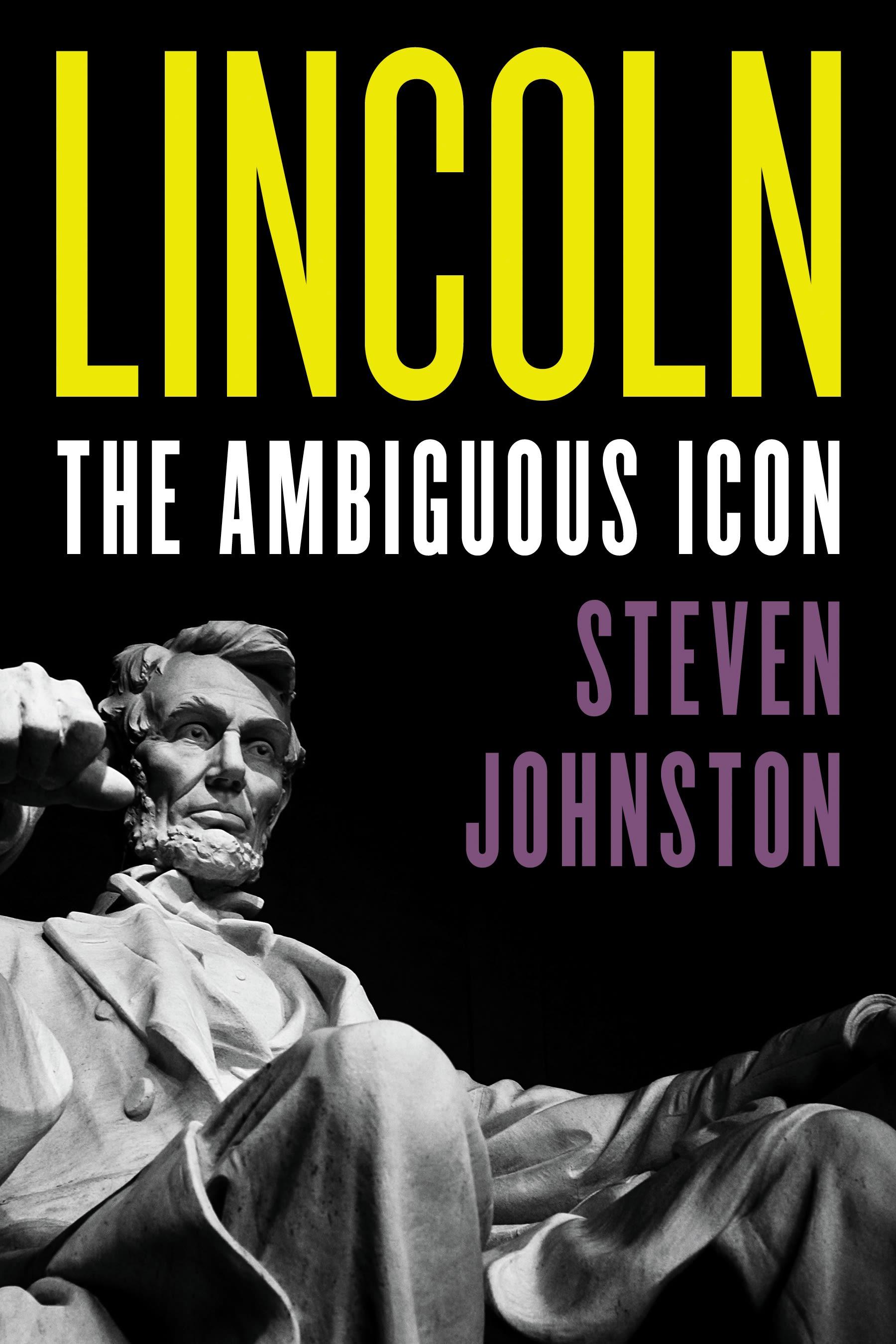
In Lincoln: The Ambiguous Icon, Steven Johnston explores Lincoln’s complicated political thought and practice, reinterpreting the Gettysburg Address, the Second Inaugural, and some of the many manifestations of Lincoln in film, monuments, and memorials that conceal—but also reveal—the terrible ambiguity of this marginally understood American figure.
Still, America is not blind to or ignorant of Lincoln’s shortcomings. Rather it is in part because of these shortcomings that Lincoln is revered. Thus, if the country needs to legitimize a problematic course of action, it is Lincoln to whom it turns. Lincoln, America reminds itself, suspended habeas corpus; jailed political opponents; suppressed speech; held racist views; and pursued racist policies. The Lincoln that America “idealizes” is a thoroughly ambiguous figure. Simultaneously, the country tends to downplay or conveniently overlook the underside of Lincoln, part of a larger political pattern in which it proclaims its exceptionalism while indulging the very worst as it conducts its political affairs. It is time to take Lincoln’s ambiguity seriously, which might put America in position to recognize that one reason it routinely falls short of its democratic principles and commitments is that it may not, just like Lincoln, fully believe in them.
In Lincoln: The Ambiguous Icon, Steven Johnston explores Lincoln’s complicated political thought and practice, reinterpreting the Gettysburg Address, the Second Inaugural, and some of the many manifestations of Lincoln in film, monuments, and memorials that conceal—but also reveal—the terrible ambiguity of this marginally understood American figure.
Betal nemt med kort, Klarna, Apple Pay eller Google Pay. Ikke tilfreds? Du har altid 14 dages fortrydelsesret. Læs mere i vores vilkår. Har du spørgsmål, så send os en mail på hello@memmo.org.
Memmo gør det nemmere at studere – uanset hvor du er i verden. Hos os samler du dine kursusbøger og smarte studieværktøjer ét sted: resuméer, quizzer, podcasts og flashcards. Og så er der Ted, din studieven, der svarer på alt, du undrer dig over. Over 50 000 studerende studerer allerede her – bygget til at hjælpe dig med at lære hurtigere og stresse mindre.