
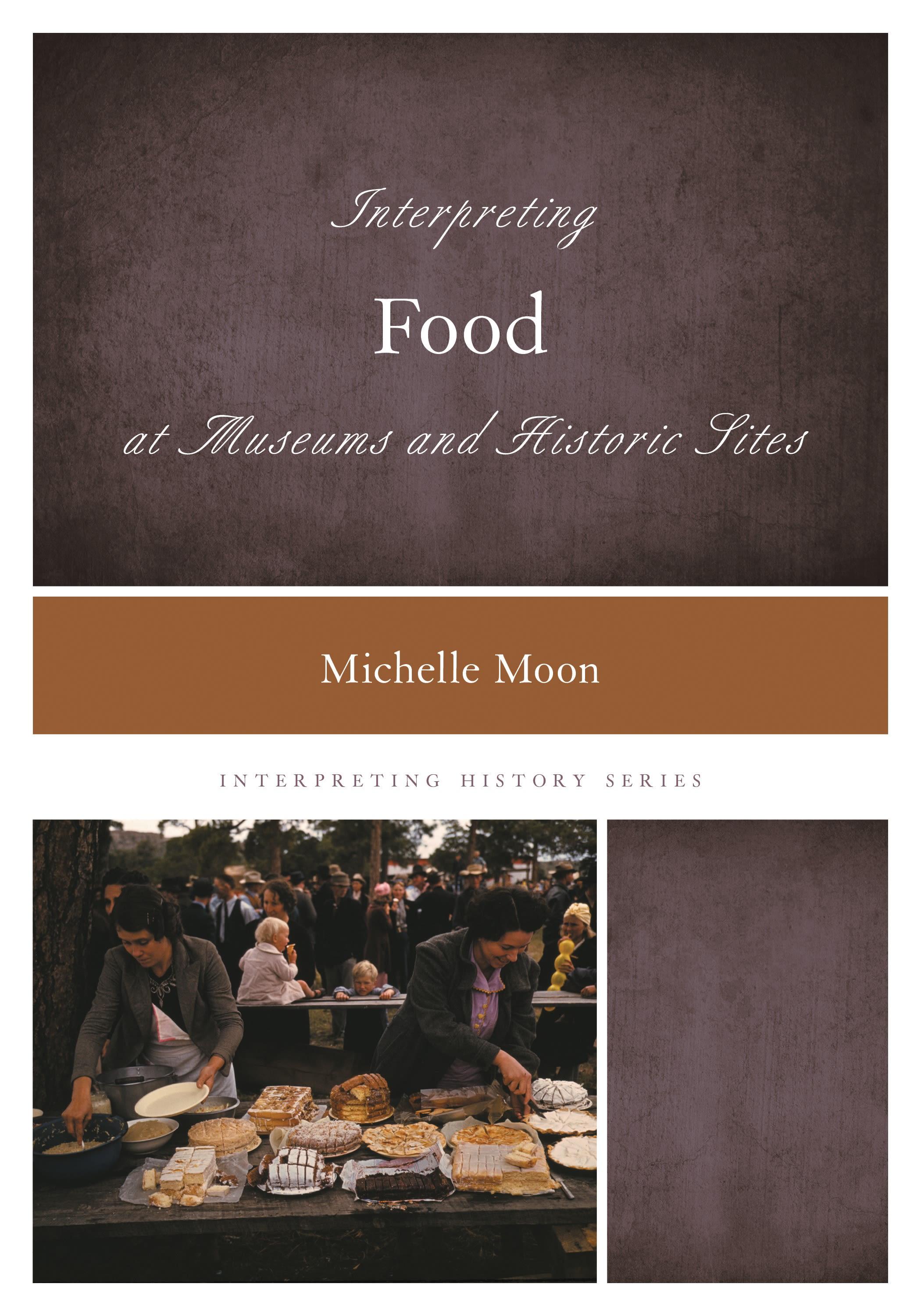
Food is such a friendly topic that it’s often thought of as a “hook” for engaging visitors – a familiar way into other topics, or a sensory element to round out a living history interpretation. But it’s more than just a hook – it’s a topic all its own, with its own history and its own uncertain future, deserving of a central place in historic interpretation. With audiences more interested in food than ever before, and new research in food studies bringing interdisciplinary approaches to this complicated but compelling subject, museums and historic sites have an opportunity to draw new audiences and infuse new meaning into their food presentations.
You’ll find:
A comprehensive, thematic framework of key concepts that will help you contextualize food history interpretations;A concise, evaluative review of the historiography of food interpretation;Case studies featuring the expression of these themes in the real world of museum interpretation; andBest practices for interpreting food.
Interpreting Food at Museums and Historic Sites offers a framework for understanding the big ideas in food history, suggesting best practices for linking objects, exhibits and demonstrations with the larger story of change in food production and consumption over the past two centuries – a story in which your visitors can see themselves, and explore their own relationships to food. This book can help you develop food interpretation with depth and significance, making relevant connections to contemporary issues and visitor interests.
You’ll find:
A comprehensive, thematic framework of key concepts that will help you contextualize food history interpretations;A concise, evaluative review of the historiography of food interpretation;Case studies featuring the expression of these themes in the real world of museum interpretation; andBest practices for interpreting food.
Interpreting Food at Museums and Historic Sites offers a framework for understanding the big ideas in food history, suggesting best practices for linking objects, exhibits and demonstrations with the larger story of change in food production and consumption over the past two centuries – a story in which your visitors can see themselves, and explore their own relationships to food. This book can help you develop food interpretation with depth and significance, making relevant connections to contemporary issues and visitor interests.
Betal nemt med kort, Klarna, Apple Pay eller Google Pay. Ikke tilfreds? Du har altid 14 dages fortrydelsesret. Læs mere i vores vilkår. Har du spørgsmål, så send os en mail på hello@memmo.org.
Memmo gør det nemmere at studere – uanset hvor du er i verden. Hos os samler du dine kursusbøger og smarte studieværktøjer ét sted: resuméer, quizzer, podcasts og flashcards. Og så er der Ted, din studieven, der svarer på alt, du undrer dig over. Over 50 000 studerende studerer allerede her – bygget til at hjælpe dig med at lære hurtigere og stresse mindre.