
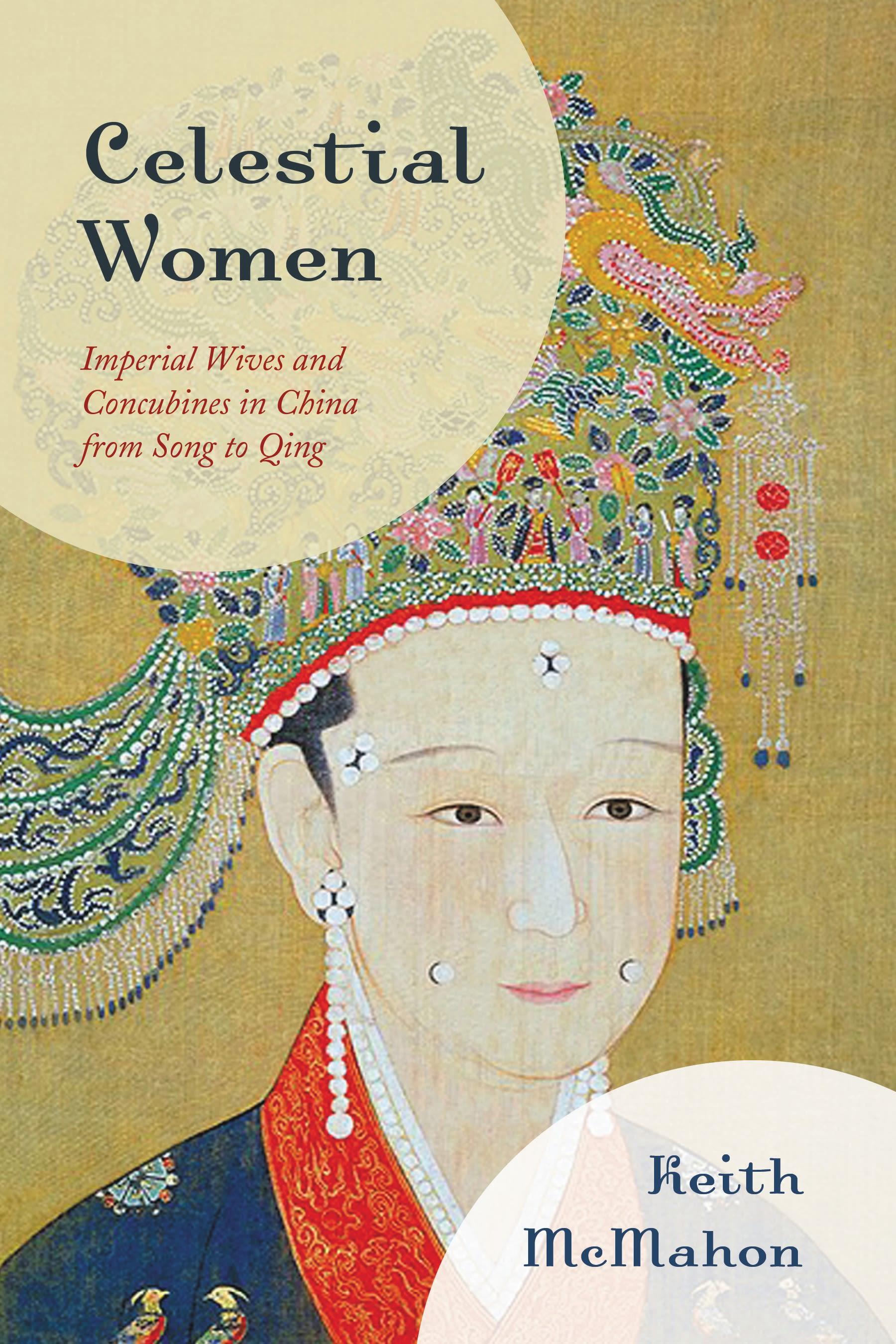
This volume completes Keith McMahon’s acclaimed history of imperial wives and royal polygamy in China. Avoiding the stereotype of the emperor’s plural wives as mere victims or playthings, the book considers empresses and concubines as full-fledged participants in palace life, whether as mothers, wives, or go-betweens in the emperor’s relations with others in the palace. Although restrictions on women’s participation in politics increased dramatically after Empress Wu in the Tang, the author follows the strong and active women, of both high and low rank, who continued to appear. They counseled emperors, ghostwrote for them, oversaw succession when they died, and dominated them when they were weak. They influenced the emperor’s relationships with other women and enhanced their aura and that of the royal house with their acts of artistic and religious patronage. Dynastic history ended in China when the prohibition that women should not rule was defied for the final time by Dowager Cixi, the last great monarch before China’s transformation into a republic.
Betal nemt med kort, Klarna, Apple Pay eller Google Pay. Ikke tilfreds? Du har altid 14 dages fortrydelsesret. Læs mere i vores vilkår. Har du spørgsmål, så send os en mail på hello@memmo.org.
Memmo gør det nemmere at studere – uanset hvor du er i verden. Hos os samler du dine kursusbøger og smarte studieværktøjer ét sted: resuméer, quizzer, podcasts og flashcards. Og så er der Ted, din studieven, der svarer på alt, du undrer dig over. Over 50 000 studerende studerer allerede her – bygget til at hjælpe dig med at lære hurtigere og stresse mindre.