
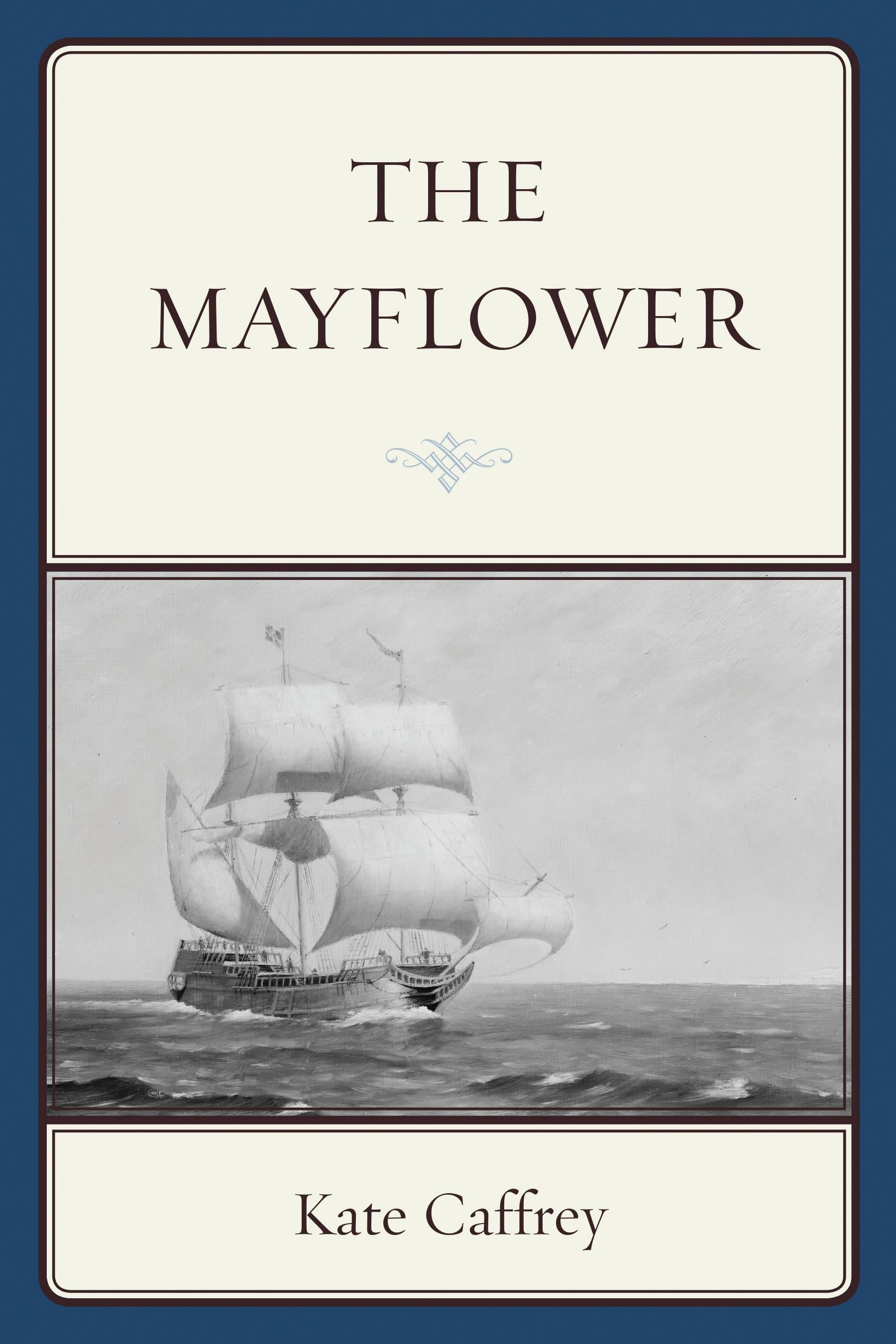
The ship itself was obscure and small, valued at a mere 128 pounds, eight shillings, and fourpence. Each passenger had a total area the size of a single mattress under a five-foot ceiling in which to cook, eat, sleep, dress and all the rest of living.
During the months-long journey, one Pilgrim died. Another, washed overboard, was miraculously washed back on deck. A crew member, not so fortunate, perished. The landing at Plymouth was on the morning of Monday, December 11, 1620.
Ahead of this brave band lay a harsh winter, which robbed more than half the settlers of their lives. When spring came at last, 54 people were left, 21 of them under sixteen. But when the Mayflower sailed back to England, not one survivor asked to return.
The men and women of the Mayflower did not come seeking fame or profit. They sought—and found—peace. The agreement they drew up before landing was described by John Quincy Adams as “the first example in modern times of a social compact or system of government instituted by voluntary agreement conformable to the laws of nature, by men of equal rights and about to establish their community in a new country.”
This book reconstructs the voyage that linked European civilization and America, the facts behind what was to become the first legend of the American people, a pioneering journey that took nearly four centuries to come to life as it does in these pages.
During the months-long journey, one Pilgrim died. Another, washed overboard, was miraculously washed back on deck. A crew member, not so fortunate, perished. The landing at Plymouth was on the morning of Monday, December 11, 1620.
Ahead of this brave band lay a harsh winter, which robbed more than half the settlers of their lives. When spring came at last, 54 people were left, 21 of them under sixteen. But when the Mayflower sailed back to England, not one survivor asked to return.
The men and women of the Mayflower did not come seeking fame or profit. They sought—and found—peace. The agreement they drew up before landing was described by John Quincy Adams as “the first example in modern times of a social compact or system of government instituted by voluntary agreement conformable to the laws of nature, by men of equal rights and about to establish their community in a new country.”
This book reconstructs the voyage that linked European civilization and America, the facts behind what was to become the first legend of the American people, a pioneering journey that took nearly four centuries to come to life as it does in these pages.
Betal nemt med kort, Klarna, Apple Pay eller Google Pay. Ikke tilfreds? Du har altid 14 dages fortrydelsesret. Læs mere i vores vilkår. Har du spørgsmål, så send os en mail på hello@memmo.org.
Memmo gør det nemmere at studere – uanset hvor du er i verden. Hos os samler du dine kursusbøger og smarte studieværktøjer ét sted: resuméer, quizzer, podcasts og flashcards. Og så er der Ted, din studieven, der svarer på alt, du undrer dig over. Over 50 000 studerende studerer allerede her – bygget til at hjælpe dig med at lære hurtigere og stresse mindre.