
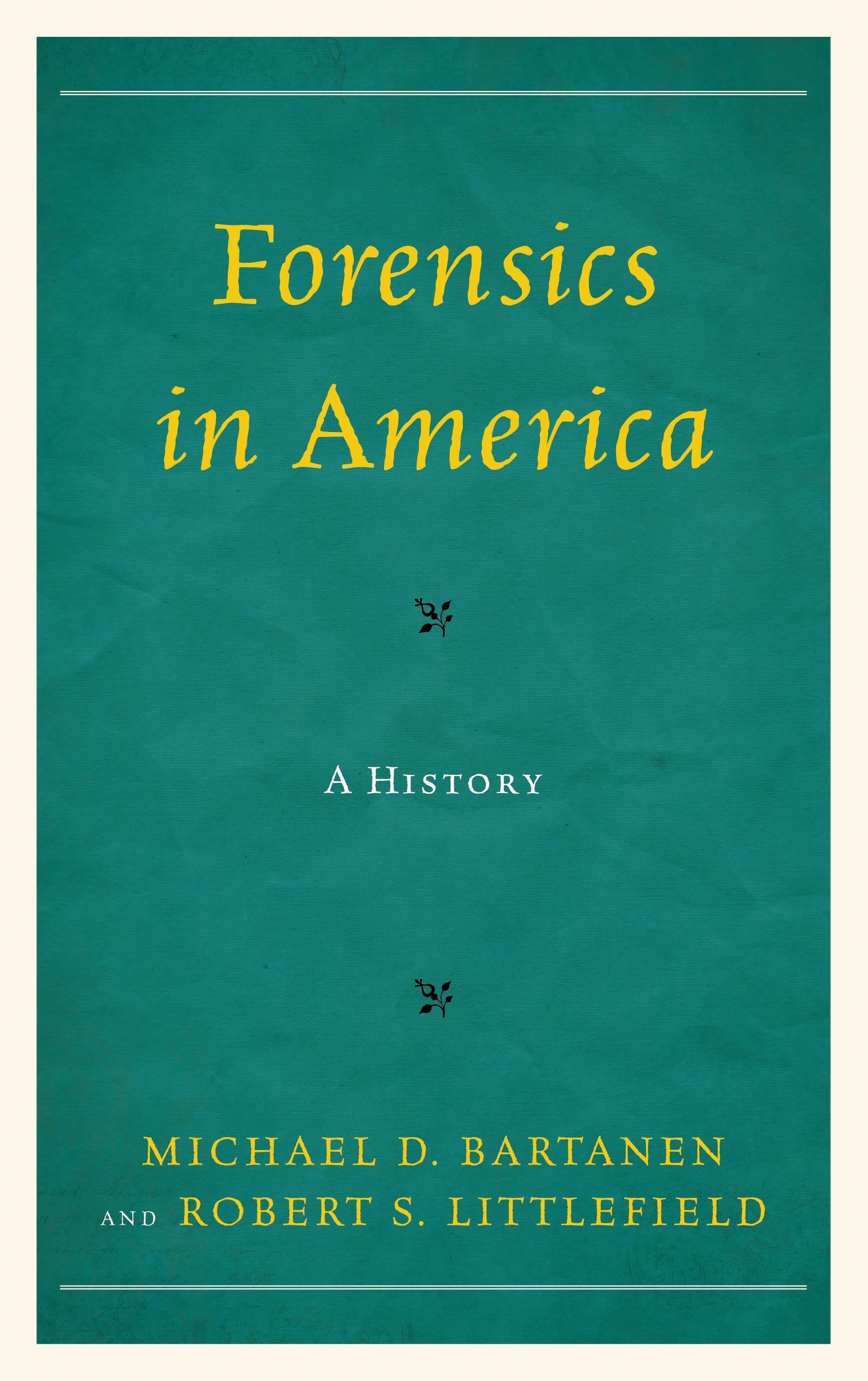
Here is the story of the process by which competitive speech and debate evolved in the United States during the 20th Century.
This authoritative history shows how forensics, as practiced in the United States, was an uneasy fusion of contradictory premises that began as a significant part of the tradition of American public address: The need for preparing students to participate in democratic governance in conflict with a student’s need to express personal and competitive impulses. Forensics represented a push and pull between an activity simultaneously considered to be both a public and a private good.
The book:
identifies the themes and trends of American forensics within an overarching chronological framework; reveals the impact of American forensics on the communication discipline, as well as America’s social and educational systems; concentrates on the elements of social history that contributed to organizational development, leadership, and politics; and, provides a base line reflecting the influences of both American culture in particular, and western culture in general, for cross-cultural comparisons between processes and effects of forensics as a form of education.
While intrinsically valuable as part of a comprehensive understanding of the history of higher education in the United States in the 20th Century, Forensics in America: A History is significant in providing a context for understanding the role forensics may play in the 21st Century. The book expands the study of American public address, focuses on the pedagogy of forensics training, and explores cultural dimensions of forensics activities.
This authoritative history shows how forensics, as practiced in the United States, was an uneasy fusion of contradictory premises that began as a significant part of the tradition of American public address: The need for preparing students to participate in democratic governance in conflict with a student’s need to express personal and competitive impulses. Forensics represented a push and pull between an activity simultaneously considered to be both a public and a private good.
The book:
identifies the themes and trends of American forensics within an overarching chronological framework; reveals the impact of American forensics on the communication discipline, as well as America’s social and educational systems; concentrates on the elements of social history that contributed to organizational development, leadership, and politics; and, provides a base line reflecting the influences of both American culture in particular, and western culture in general, for cross-cultural comparisons between processes and effects of forensics as a form of education.
While intrinsically valuable as part of a comprehensive understanding of the history of higher education in the United States in the 20th Century, Forensics in America: A History is significant in providing a context for understanding the role forensics may play in the 21st Century. The book expands the study of American public address, focuses on the pedagogy of forensics training, and explores cultural dimensions of forensics activities.
Betal nemt med kort, Klarna, Apple Pay eller Google Pay. Ikke tilfreds? Du har altid 14 dages fortrydelsesret. Læs mere i vores vilkår. Har du spørgsmål, så send os en mail på hello@memmo.org.
Memmo gør det nemmere at studere – uanset hvor du er i verden. Hos os samler du dine kursusbøger og smarte studieværktøjer ét sted: resuméer, quizzer, podcasts og flashcards. Og så er der Ted, din studieven, der svarer på alt, du undrer dig over. Over 50 000 studerende studerer allerede her – bygget til at hjælpe dig med at lære hurtigere og stresse mindre.