
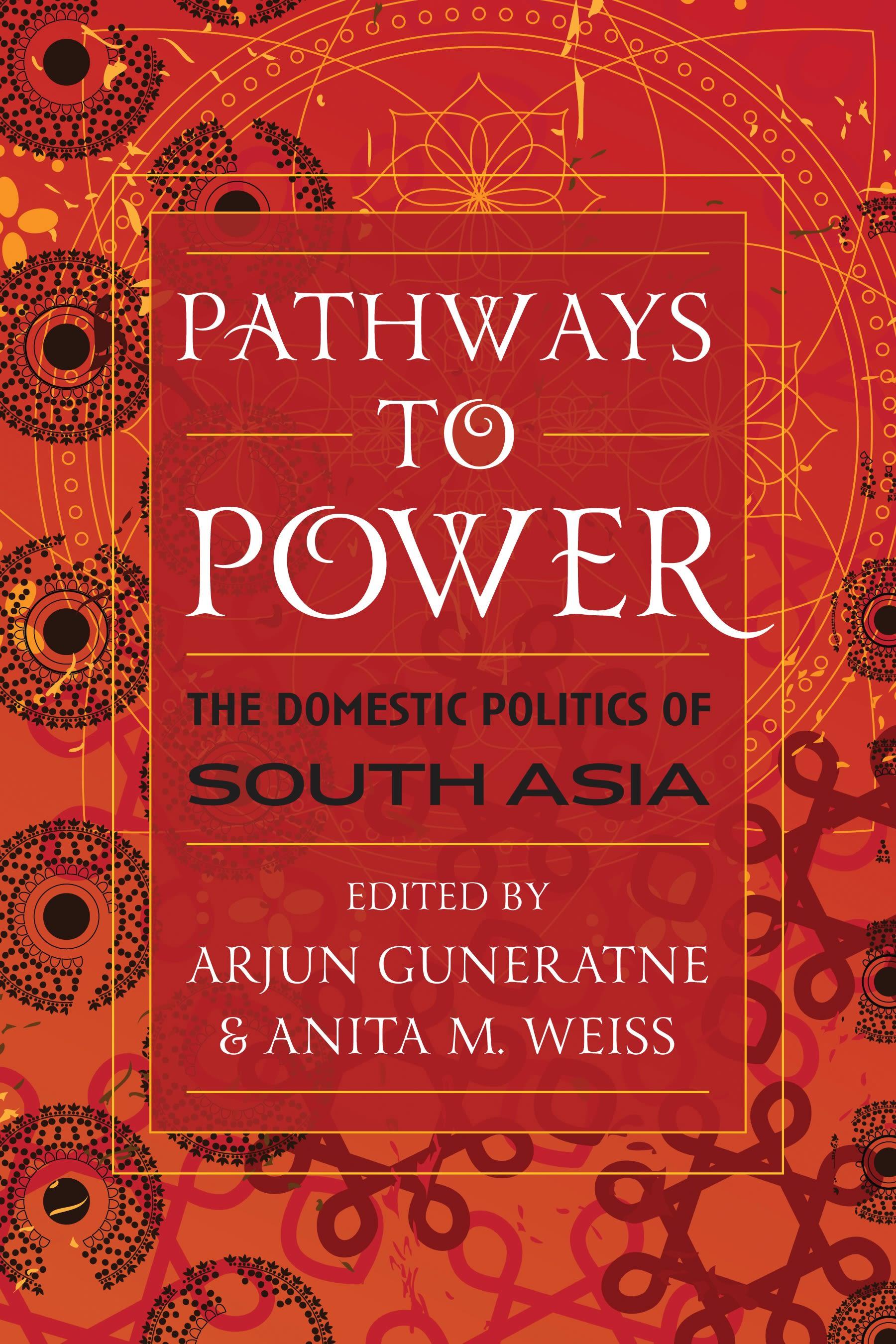
Pathways to Power introduces the domestic politics of South Asia in their broadest possible context, studying ongoing transformative social processes grounded in cultural forms. In doing so, it reveals the interplay between politics, cultural values, human security, and historical luck. While these are important correlations everywhere, nowhere are they more compelling than in South Asia where such dynamic interchanges loom large on a daily basis. Identity politics—not just of religion but also of caste, ethnicity, regionalism, and social class—infuses all aspects of social and political life in the sub-continent. Recognizing this complex interplay, this volume moves beyond conventional views of South Asian politics as it explicitly weaves the connections between history, culture, and social values into its examination of political life.
South Asia is one of the world’s most important geopolitical areas and home to nearly one and a half billion people. Although many of the poorest people in the world live in this region, it is home also to a rapidly growing middle class wielding much economic power. India, Pakistan, and Bangladesh, together the successor states to the British Indian Empire—the Raj—form the core of South Asia, along with two smaller states on its periphery: landlocked Nepal and the island state of Sri Lanka. Many factors bring together the disparate countries of the region into important engagements with one another, forming an uneasy regional entity.
Contributions by: Arjun Guneratne, Christophe Jaffrelot, Pratyoush Onta, Haroun er Rashid, Seira Tamang, Shabnum Tejani, and Anita M. Weiss
South Asia is one of the world’s most important geopolitical areas and home to nearly one and a half billion people. Although many of the poorest people in the world live in this region, it is home also to a rapidly growing middle class wielding much economic power. India, Pakistan, and Bangladesh, together the successor states to the British Indian Empire—the Raj—form the core of South Asia, along with two smaller states on its periphery: landlocked Nepal and the island state of Sri Lanka. Many factors bring together the disparate countries of the region into important engagements with one another, forming an uneasy regional entity.
Contributions by: Arjun Guneratne, Christophe Jaffrelot, Pratyoush Onta, Haroun er Rashid, Seira Tamang, Shabnum Tejani, and Anita M. Weiss
Sider: 428
Kategori: Statsvetenskap & Politik
e-ISBN: 9781442225992
Forsendelsesvægt: 1.2 kg
Sendes inden for: 1-2 dage
Betal nemt med kort, Klarna, Apple Pay eller Google Pay. Ikke tilfreds? Du har altid 14 dages fortrydelsesret. Læs mere i vores vilkår. Har du spørgsmål, så send os en mail på hello@memmo.org.
Memmo gør det nemmere at studere – uanset hvor du er i verden. Hos os samler du dine kursusbøger og smarte studieværktøjer ét sted: resuméer, quizzer, podcasts og flashcards. Og så er der Ted, din studieven, der svarer på alt, du undrer dig over. Over 50 000 studerende studerer allerede her – bygget til at hjælpe dig med at lære hurtigere og stresse mindre.