
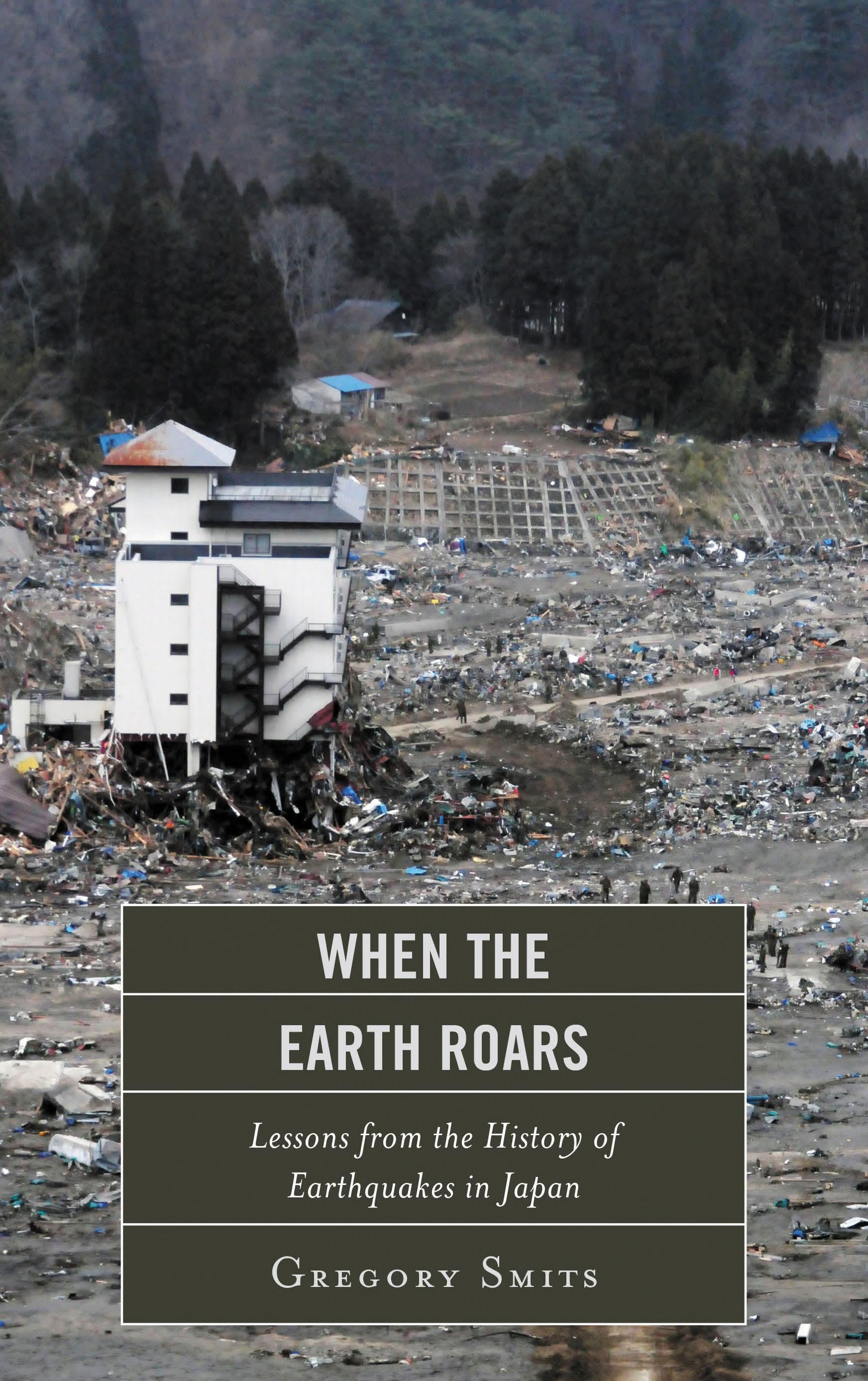
Japan, which is among the most earthquake-prone regions in the world, has a long history of responding to seismic disasters. However, despite advances in earthquake-related safety technologies, the destructiveness of the magnitude 9 class earthquake and tsunami that struck the country on 3/11 raised profound questions about how societies can deal effectively with seismic hazards. This important book places the devastating earthquake, tsunami, and nuclear meltdown disaster in historical perspective, examining conceptions of earthquakes since the seventeenth century, the diverse ways actual earthquakes and their aftermath played out, and their enduring social and scientific significance. By looking backward, Gregory Smits identifies future pitfalls to avoid and assesses the allocation of resources for dealing with future earthquake and tsunami disasters. He criticizes Japan’s postwar quest for earthquake prediction and the concept of “characteristic” earthquakes. Smits argues that earthquakes are so chaotic as to be unpredictable, not only geologically but also in their social and cultural effects. Therefore, he contends, the best hope for future disaster mitigation is antiseismic engineering and flexible disaster-relief capabilities. As the first sustained historical analysis of destructive earthquakes and tsunamis, this book is an essential resource for anyone interested in Japan, natural disasters, seismology, and environmental history.
Betal nemt med kort, Klarna, Apple Pay eller Google Pay. Ikke tilfreds? Du har altid 14 dages fortrydelsesret. Læs mere i vores vilkår. Har du spørgsmål, så send os en mail på hello@memmo.org.
Memmo gør det nemmere at studere – uanset hvor du er i verden. Hos os samler du dine kursusbøger og smarte studieværktøjer ét sted: resuméer, quizzer, podcasts og flashcards. Og så er der Ted, din studieven, der svarer på alt, du undrer dig over. Over 50 000 studerende studerer allerede her – bygget til at hjælpe dig med at lære hurtigere og stresse mindre.