
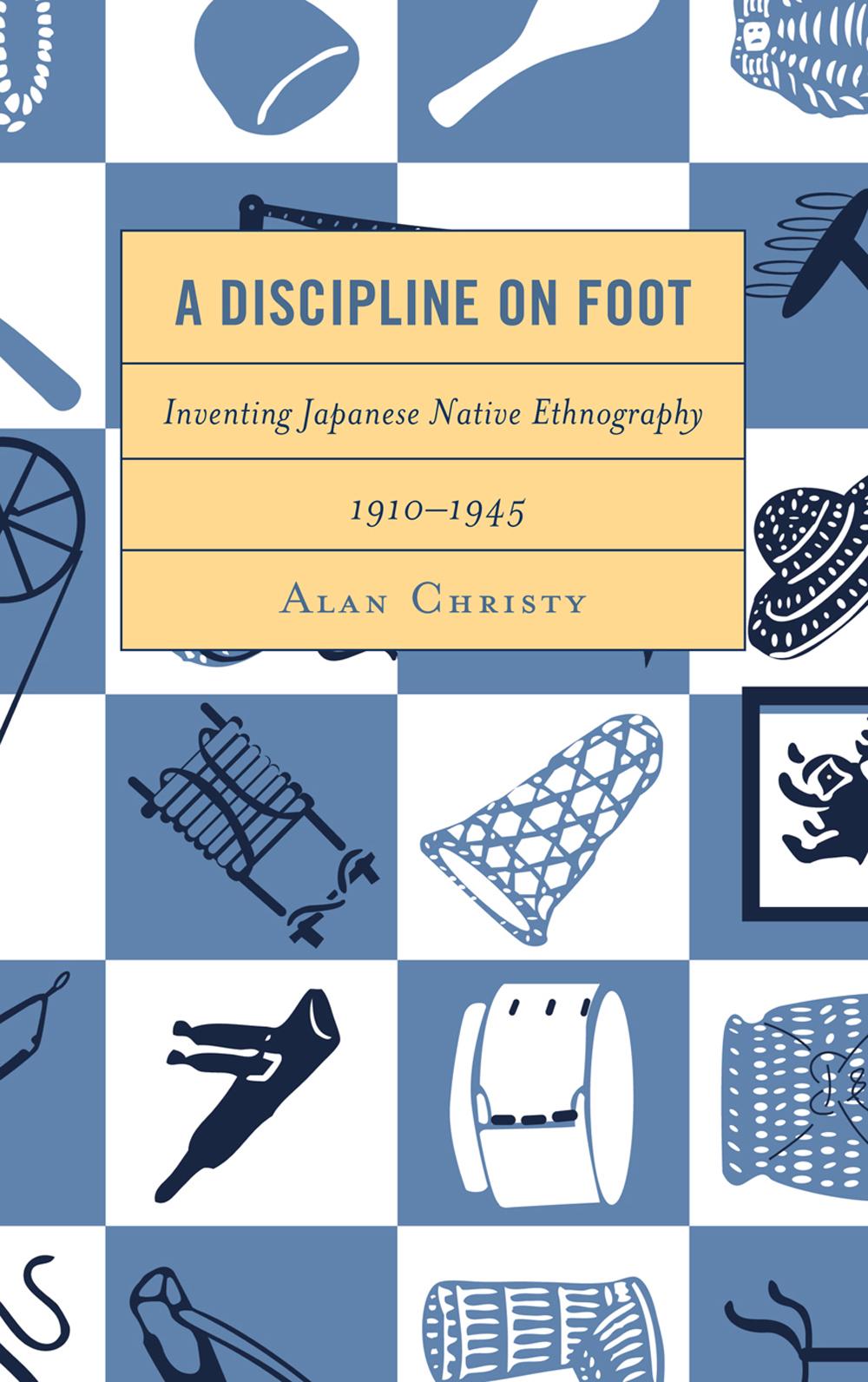
Exploring the fundamental question of how a new discipline comes into being, this groundbreaking book tells the story of the emergence of native ethnology in Imperial Japan, a “one nation” social science devoted to the study of the Japanese people. Roughly corresponding to folklore studies or ethnography in the West, this social science was developed outside the academy over the first half of the twentieth century by a diverse group of intellectuals, local dignitaries, and hobbyists. Alan Christy traces the paths of the distinctive individuals who founded minzokugaku, how theory and practice developed, and how many previously unknown figures contributed to the growth of the discipline. Despite its humble beginnings, native ethnology today is a fixture in Japanese intellectual life, offering arguments and evidence about the popular, as opposed to elite, foundations of Japanese culture. Speaking directly to fundamental questions in anthropology, this authoritative and engaging book will become a standard not only for the field of native ethnology but also as a major work in broader modern Japanese cultural and intellectual history.
Betal nemt med kort, Klarna, Apple Pay eller Google Pay. Ikke tilfreds? Du har altid 14 dages fortrydelsesret. Læs mere i vores vilkår. Har du spørgsmål, så send os en mail på hello@memmo.org.
Memmo gør det nemmere at studere – uanset hvor du er i verden. Hos os samler du dine kursusbøger og smarte studieværktøjer ét sted: resuméer, quizzer, podcasts og flashcards. Og så er der Ted, din studieven, der svarer på alt, du undrer dig over. Over 50 000 studerende studerer allerede her – bygget til at hjælpe dig med at lære hurtigere og stresse mindre.