
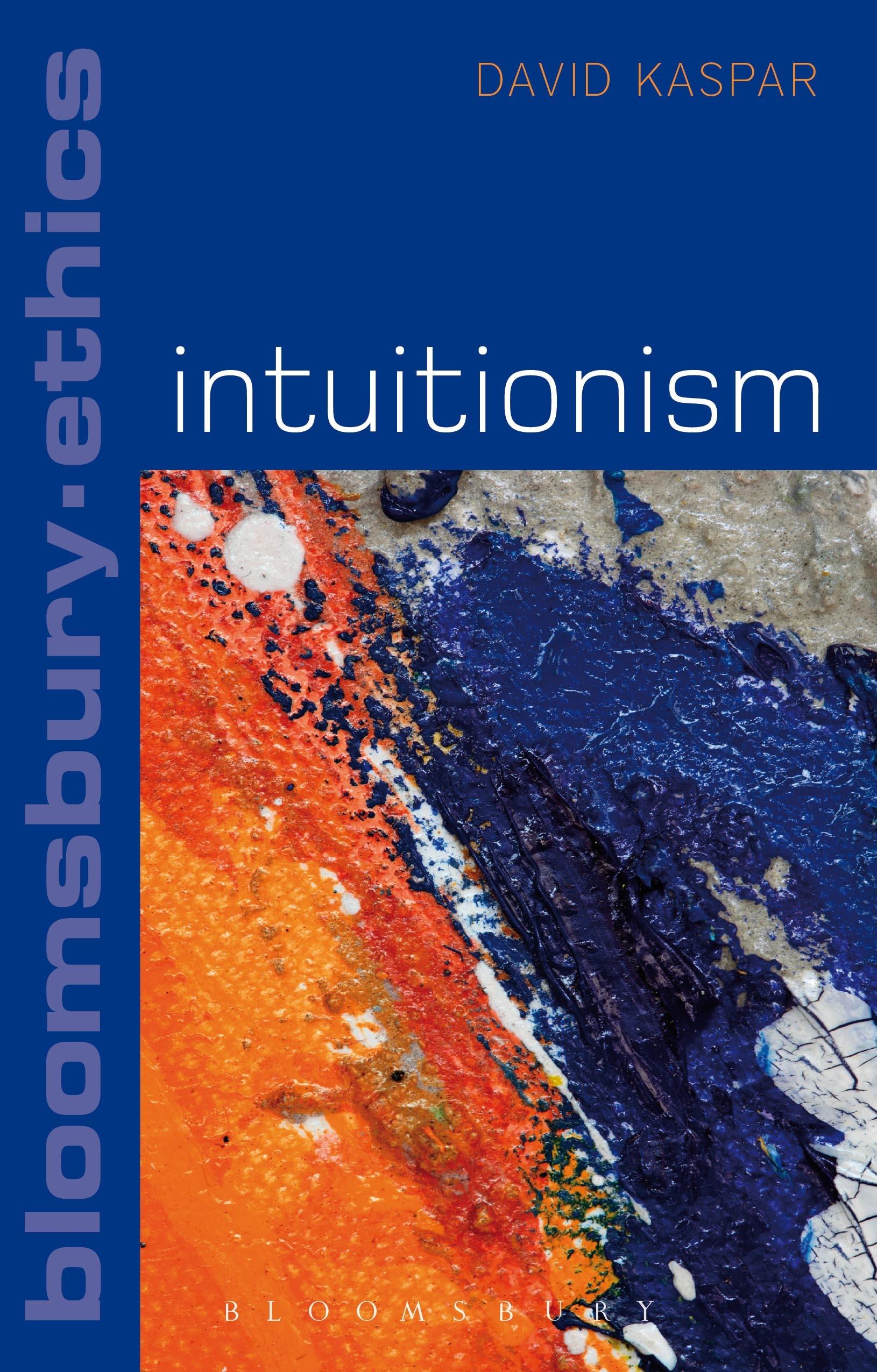
Is the way to moral truth through theory?
Or do we already know what's right and wrong?
Throughout modern history philosophers have tried to construct elaborate moral systems to determine what's right. Recently, however, some have revived the position that we have intuitive knowledge of right and wrong. In this book, David Kaspar introduces and explores the perspective known as 'Intuitionism'. Charting intuitionism's fall in the twentieth century and its recent resurgence, Kaspar looks at the intuitionist approach to the most important topics in ethics, from moral knowledge to intrinsically good moral action.
David Kaspar defends intuitionism against criticisms from competing metaethical schools, such as moral nihilism and ethical naturalism. It also takes on normative rivals, such as utilitarianism, Kantianism, and virtue ethics. By consolidating the stronger claims of both early analytic and contemporary intuitionists, Kaspar goes on to make a robust case for a rigorously intuitionist approach to explaining morality. Intuitionism also includes chapter summaries and guides to further reading throughout to help readers explore and master this important school of contemporary ethical thought. This is an ideal resource for undergraduates and postgraduates taking courses in ethics, metaethics and moral philosophy.
Or do we already know what's right and wrong?
Throughout modern history philosophers have tried to construct elaborate moral systems to determine what's right. Recently, however, some have revived the position that we have intuitive knowledge of right and wrong. In this book, David Kaspar introduces and explores the perspective known as 'Intuitionism'. Charting intuitionism's fall in the twentieth century and its recent resurgence, Kaspar looks at the intuitionist approach to the most important topics in ethics, from moral knowledge to intrinsically good moral action.
David Kaspar defends intuitionism against criticisms from competing metaethical schools, such as moral nihilism and ethical naturalism. It also takes on normative rivals, such as utilitarianism, Kantianism, and virtue ethics. By consolidating the stronger claims of both early analytic and contemporary intuitionists, Kaspar goes on to make a robust case for a rigorously intuitionist approach to explaining morality. Intuitionism also includes chapter summaries and guides to further reading throughout to help readers explore and master this important school of contemporary ethical thought. This is an ideal resource for undergraduates and postgraduates taking courses in ethics, metaethics and moral philosophy.
Betal nemt med kort, Klarna, Apple Pay eller Google Pay. Ikke tilfreds? Du har altid 14 dages fortrydelsesret. Læs mere i vores vilkår. Har du spørgsmål, så send os en mail på hello@memmo.org.
Memmo gør det nemmere at studere – uanset hvor du er i verden. Hos os samler du dine kursusbøger og smarte studieværktøjer ét sted: resuméer, quizzer, podcasts og flashcards. Og så er der Ted, din studieven, der svarer på alt, du undrer dig over. Over 50 000 studerende studerer allerede her – bygget til at hjælpe dig med at lære hurtigere og stresse mindre.