
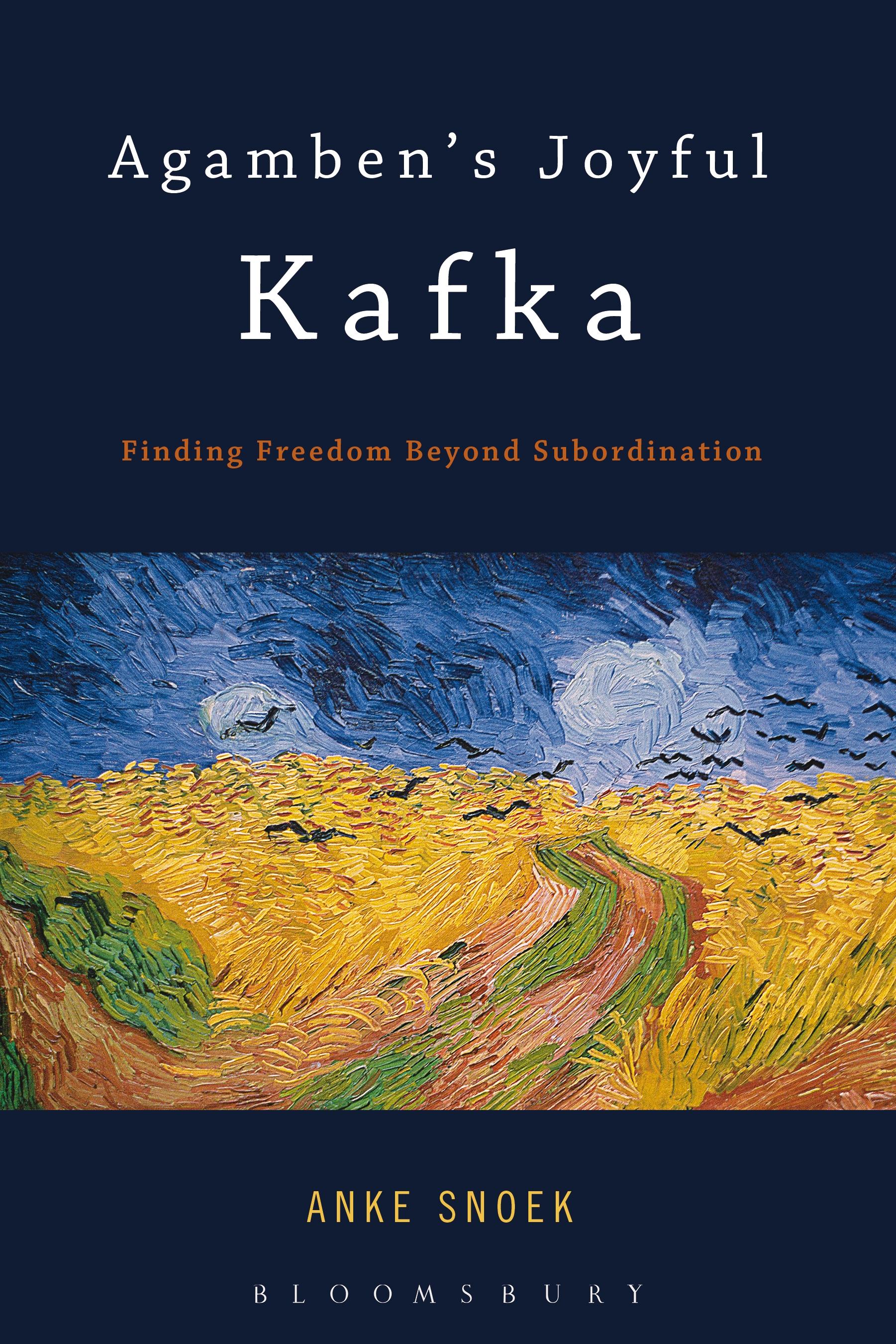
Both Giorgio Agamben and Franz Kafka are best known for their gloomy political worldview. A cautious study of Agamben's references on Kafka, however, reveals another dimension right at the intersection of their works: a complex and unorthodox theory of freedom. The inspiration emerges from Agamben's claims that 'it is a very poor reading of Kafka's works that sees in them only a summation of the anguish of a guilty man before the inscrutable power'. Virtually all of Kafka's stories leave us puzzled about what really happened. Was Josef K., who is butchered like a dog, defeated? And what about the meaningless but in his own way complete creature Odradek? Agamben's work sheds new light on these questions and arrives, through Kafka, at different strategies for freedom at the point where this freedom is most blatantly violated.
Betal nemt med kort, Klarna, Apple Pay eller Google Pay. Ikke tilfreds? Du har altid 14 dages fortrydelsesret. Læs mere i vores vilkår. Har du spørgsmål, så send os en mail på hello@memmo.org.
Memmo gør det nemmere at studere – uanset hvor du er i verden. Hos os samler du dine kursusbøger og smarte studieværktøjer ét sted: resuméer, quizzer, podcasts og flashcards. Og så er der Ted, din studieven, der svarer på alt, du undrer dig over. Over 50 000 studerende studerer allerede her – bygget til at hjælpe dig med at lære hurtigere og stresse mindre.