
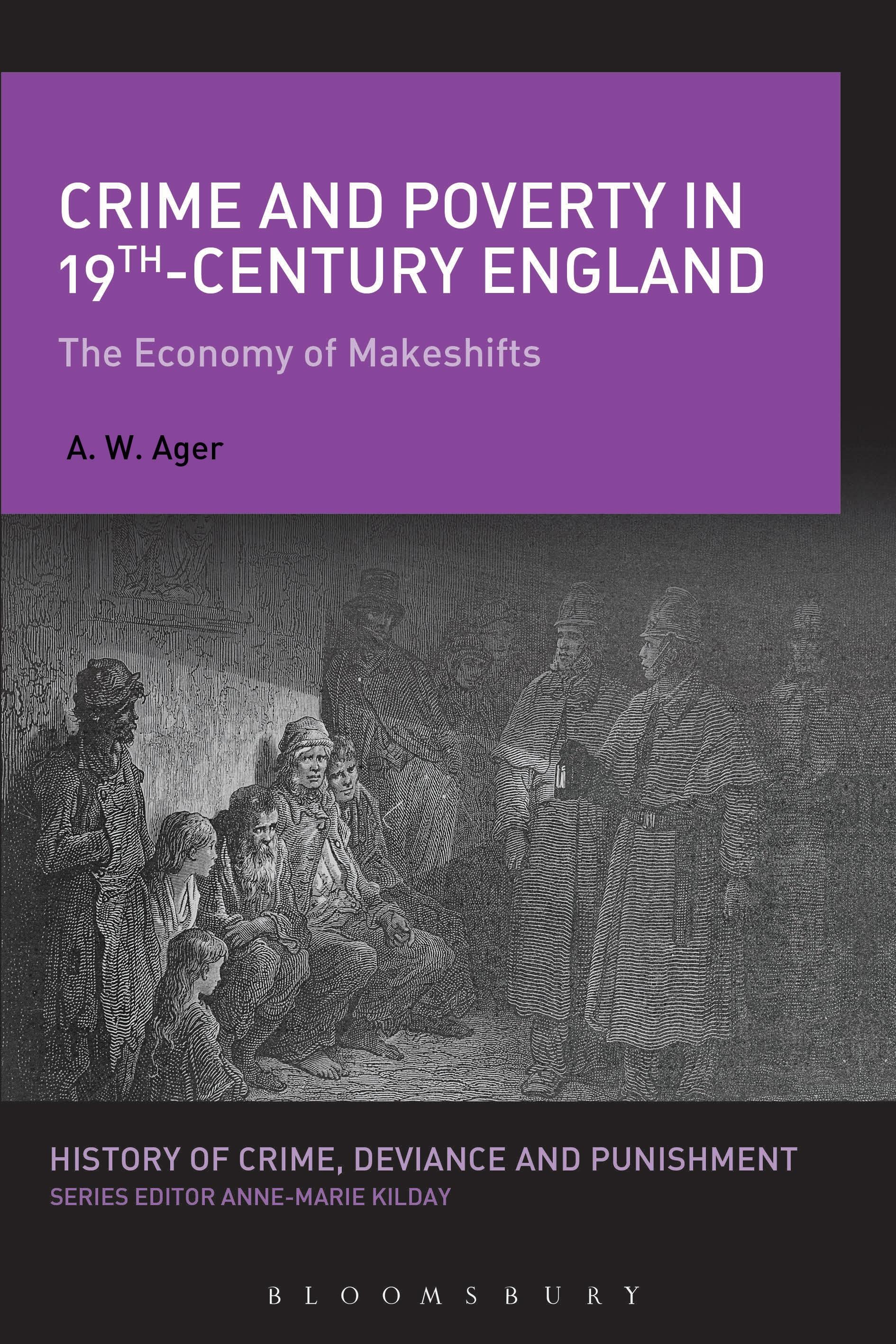
It has long been suggested that poverty was responsible for a criminal underclass emerging in Britain during the nineteenth century. Until quite recently, historians did little to challenge this perception. Using innovative quantitative and qualitative data analysis techniques, this book looks in detail at some of the causal factors that motivated the poorer classes to commit crime, or act in ways that transgressed acceptable standards of behaviour. It demonstrates how the strategies that these individuals employed varied between urban and rural environments, and shows how the poor railed against legislative reforms that threatened the solvency of their households. In the process, this book provides the first solid appreciation of the complex relationship between crime and poverty in two distinct socio-economic regions between 1830 and 1885.
Betal nemt med kort, Klarna, Apple Pay eller Google Pay. Ikke tilfreds? Du har altid 14 dages fortrydelsesret. Læs mere i vores vilkår. Har du spørgsmål, så send os en mail på hello@memmo.org.
Memmo gør det nemmere at studere – uanset hvor du er i verden. Hos os samler du dine kursusbøger og smarte studieværktøjer ét sted: resuméer, quizzer, podcasts og flashcards. Og så er der Ted, din studieven, der svarer på alt, du undrer dig over. Over 50 000 studerende studerer allerede her – bygget til at hjælpe dig med at lære hurtigere og stresse mindre.