
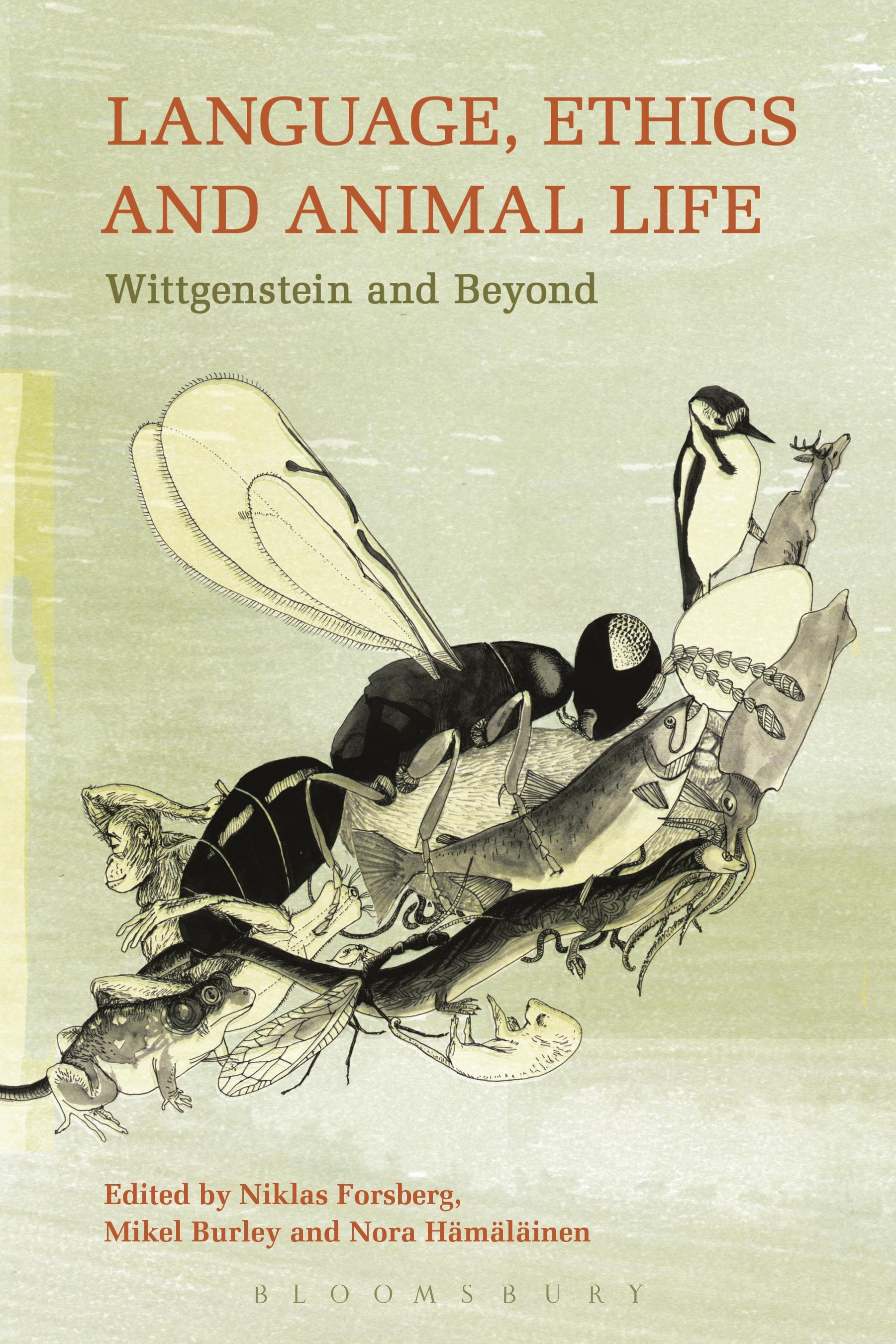
New research into human and animal consciousness, a heightened awareness of the methods and consequences of intensive farming, and modern concerns about animal welfare and ecology are among the factors that have made our relationship to animals an area of burning interest in contemporary philosophy. Utilizing methods inspired by Ludwig Wittgenstein, the contributors to this volume explore this area in a variety of ways. Topics discussed include: scientific vs. non-scientific ways of describing human and animal behaviour; the ethics of eating particular animal species; human nature, emotions, and instinctive reactions; responses of wonder towards the natural world; the moral relevance of literature; the concept of dignity; and the question whether non-human animals can use language. This book will be of great value to anyone interested in philosophical and interdisciplinary issues concerning language, ethics and humanity's relation to animals and the natural world.
Betal nemt med kort, Klarna, Apple Pay eller Google Pay. Ikke tilfreds? Du har altid 14 dages fortrydelsesret. Læs mere i vores vilkår. Har du spørgsmål, så send os en mail på hello@memmo.org.
Memmo gør det nemmere at studere – uanset hvor du er i verden. Hos os samler du dine kursusbøger og smarte studieværktøjer ét sted: resuméer, quizzer, podcasts og flashcards. Og så er der Ted, din studieven, der svarer på alt, du undrer dig over. Over 50 000 studerende studerer allerede her – bygget til at hjælpe dig med at lære hurtigere og stresse mindre.