
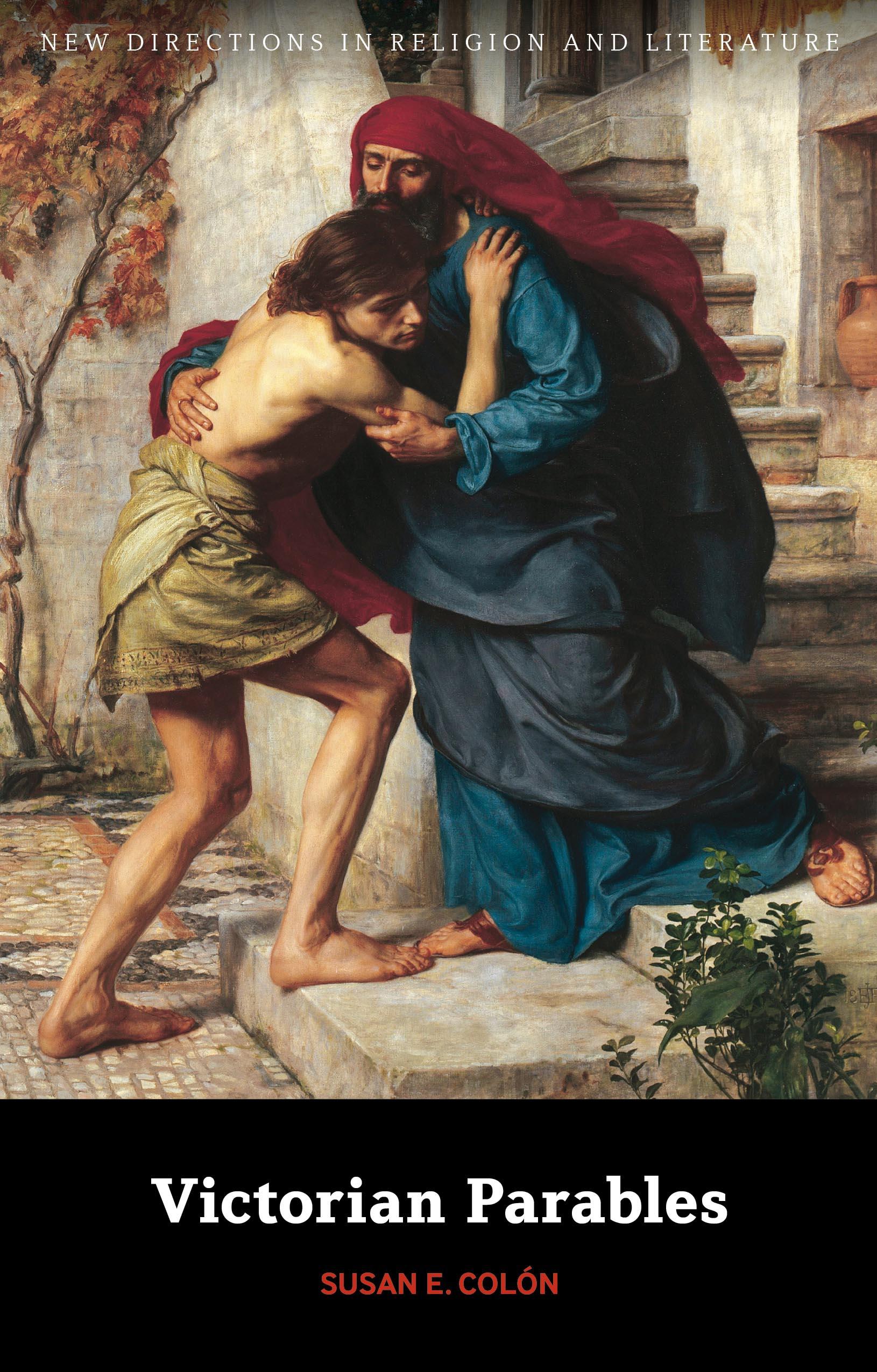
The familiar stories of the good Samaritan, the prodigal son, and Lazarus and the rich man were part of the cultural currency in the nineteenth century, and Victorian authors drew upon the figures and plots of biblical parables for a variety of authoritative, interpretive, and subversive effects. However, scholars of parables in literature have often overlooked the 19th-century novel, assuming that realism bears no relation to the subversive, iconoclastic genre of parable. In this book Susan E. Colòn shows that authors such as Charles Dickens, Margaret Oliphant, and Charlotte Yonge appreciated the power of parables to deliver an ethical charge that was as unexpected as it was disruptive to conventional moral ideas. Against the common assumption that the genres of realism and parable are polar opposites, this study explores how Victorian novels, despite their length, verisimilitude, and multi-plot complexity, can become parables in ways that imitate, interpret, and challenge their biblical sources.
Betal nemt med kort, Klarna, Apple Pay eller Google Pay. Ikke tilfreds? Du har altid 14 dages fortrydelsesret. Læs mere i vores vilkår. Har du spørgsmål, så send os en mail på hello@memmo.org.
Memmo gør det nemmere at studere – uanset hvor du er i verden. Hos os samler du dine kursusbøger og smarte studieværktøjer ét sted: resuméer, quizzer, podcasts og flashcards. Og så er der Ted, din studieven, der svarer på alt, du undrer dig over. Over 50 000 studerende studerer allerede her – bygget til at hjælpe dig med at lære hurtigere og stresse mindre.