
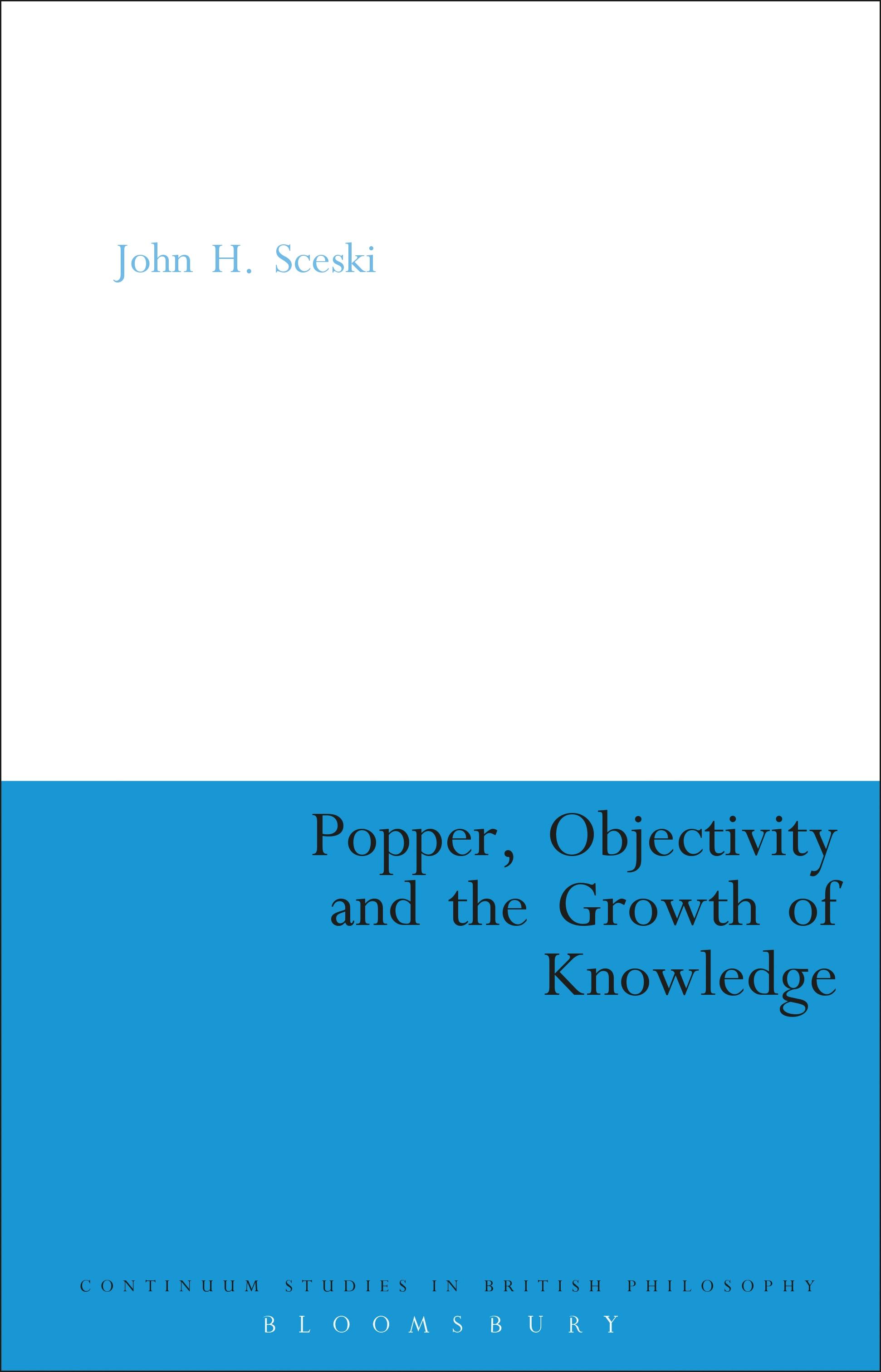
John H. Sceski argues that Karl Popper's philosophy offers a radical treatment of objectivity that can reconcile freedom and progress in a manner that preserves the best elements of the Enlightenment tradition. His book traces the development of Popper's account of objectivity by examining his original contributions to key issues in the philosophy of science. Popper's early confrontation with logical positivism, his rarely discussed four-fold treatment of the problem of induction, and his theory of propensities and evolutionary epistemology are linked in a novel way to produce a coherent and philosophically relevant picture of objectivity. Sceski also explores and clarifies many central issues in the philosophy of science such as probabilistic support, verisimilitude, and the relationship between special relativity and indeterminism. He concludes that Popper's account of objectivity can best bridge the gap between Enlightenment aims for science and freedom and post-modern misgivings about 'truth', by developing a philosophy that is non-foundationalist yet able to account for the growth of knowledge.
Betal nemt med kort, Klarna, Apple Pay eller Google Pay. Ikke tilfreds? Du har altid 14 dages fortrydelsesret. Læs mere i vores vilkår. Har du spørgsmål, så send os en mail på hello@memmo.org.
Memmo gør det nemmere at studere – uanset hvor du er i verden. Hos os samler du dine kursusbøger og smarte studieværktøjer ét sted: resuméer, quizzer, podcasts og flashcards. Og så er der Ted, din studieven, der svarer på alt, du undrer dig over. Over 50 000 studerende studerer allerede her – bygget til at hjælpe dig med at lære hurtigere og stresse mindre.