
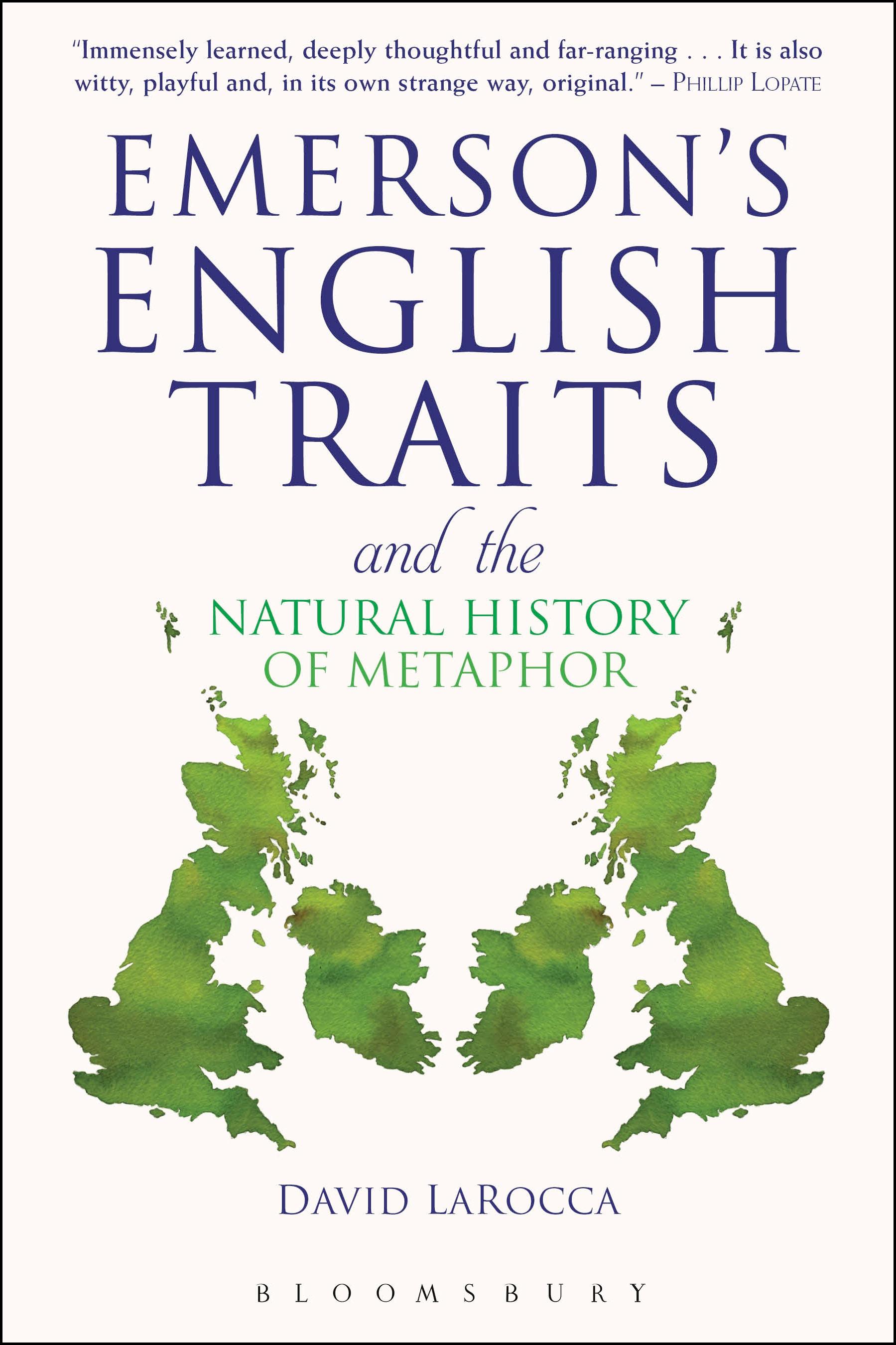
Metaphors are ubiquitous and yet-or, for that very reason-go largely unseen. We are all variously susceptible to a blindness or blurry vision of metaphors; yet even when they are seen clearly, we are left to situate the ambiguities, conflations and contradictions they regularly present-logically, aesthetically and morally.
David LaRocca's book serves as a set of 'reminders' of certain features of the natural history of our language-especially the tropes that permeate and define it. As part of his investigation, LaRocca turns to Ralph Waldo Emerson's only book on a single topic, English Traits (1856), which teems with genealogical and generative metaphors-blood, birth, plants, parents, family, names and race.
In the first book-length study of English Traits in over half a century, LaRocca considers the presence of metaphors in Emerson's fertile text-a unique work in his expansive corpus, and one that is regularly overlooked. As metaphors are encountered in Emerson's book, and drawn from a long history of usage in work by others, a reader may realize (or remember) what is inherent and encoded in our language, but rarely seen: how metaphors circulate in speech and through texts to become the lifeblood of thought.
David LaRocca's book serves as a set of 'reminders' of certain features of the natural history of our language-especially the tropes that permeate and define it. As part of his investigation, LaRocca turns to Ralph Waldo Emerson's only book on a single topic, English Traits (1856), which teems with genealogical and generative metaphors-blood, birth, plants, parents, family, names and race.
In the first book-length study of English Traits in over half a century, LaRocca considers the presence of metaphors in Emerson's fertile text-a unique work in his expansive corpus, and one that is regularly overlooked. As metaphors are encountered in Emerson's book, and drawn from a long history of usage in work by others, a reader may realize (or remember) what is inherent and encoded in our language, but rarely seen: how metaphors circulate in speech and through texts to become the lifeblood of thought.
Sider: 408
Kategori: Litteraturvetenskap & Teori
e-ISBN: 9781441137029
Forsendelsesvægt: 1.2 kg
Sendes inden for: 1-2 dage
Betal nemt med kort, Klarna, Apple Pay eller Google Pay. Ikke tilfreds? Du har altid 14 dages fortrydelsesret. Læs mere i vores vilkår. Har du spørgsmål, så send os en mail på hello@memmo.org.
Memmo gør det nemmere at studere – uanset hvor du er i verden. Hos os samler du dine kursusbøger og smarte studieværktøjer ét sted: resuméer, quizzer, podcasts og flashcards. Og så er der Ted, din studieven, der svarer på alt, du undrer dig over. Over 50 000 studerende studerer allerede her – bygget til at hjælpe dig med at lære hurtigere og stresse mindre.