
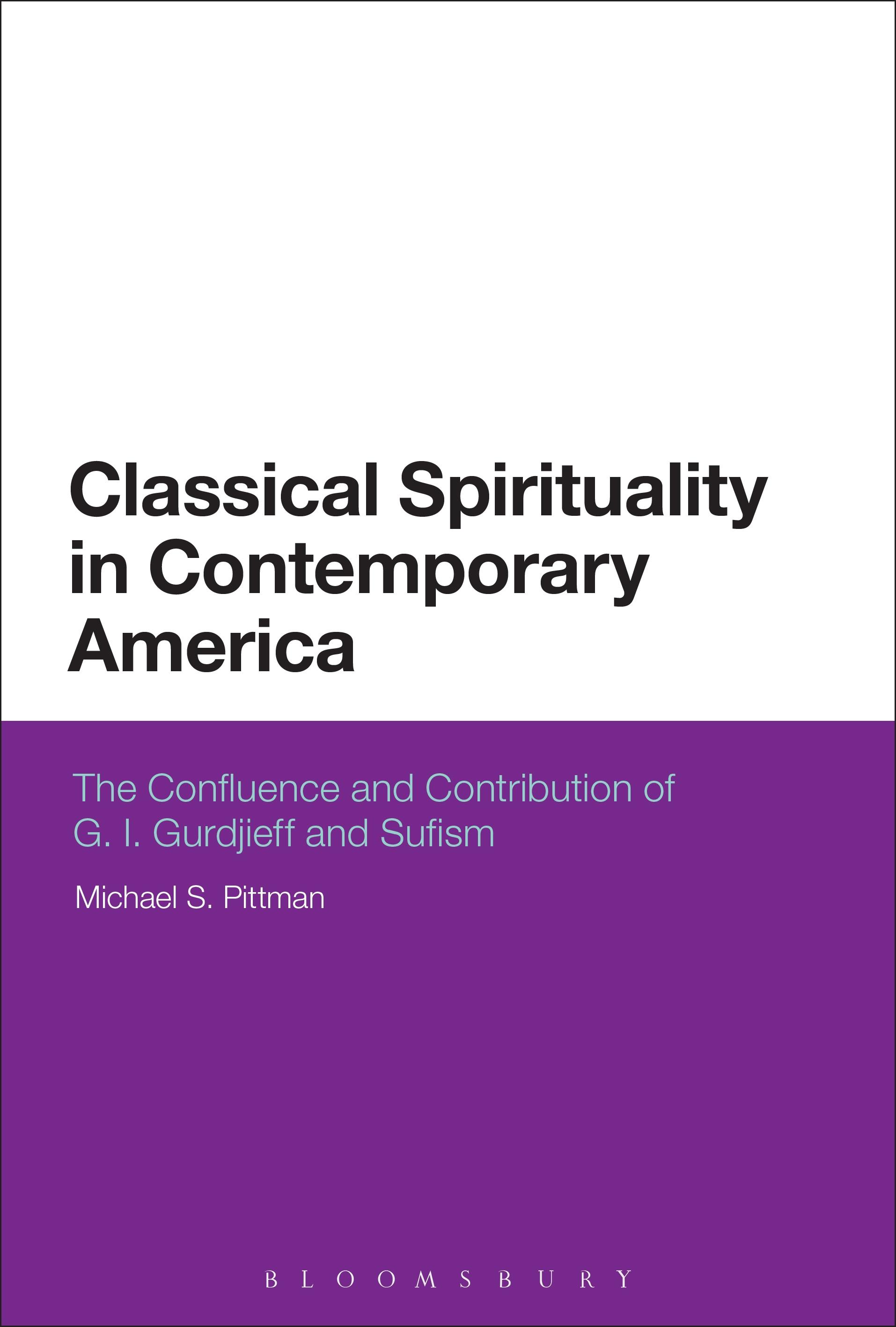
G.I. Gurdjieff (d. 1949) remains an important, if controversial, figure in early 20th-century Western Esoteric thought. Born in the culturally diverse region of the Caucasus, Gurdjieff traveled in Asia, Africa, and elsewhere in search of practical spiritual knowledge. Though oftentimes allusive, references to Sufi teachings and characters take a prominent position in Gurdjieff's work and writings. Since his death, a discourse on Gurdjieff and Sufism has developed through the contributions as well as critiques of his students and interlocutors. J.G. Bennett began an experimental 'Fourth Way' school in England in the 1970s which included the introduction of Sufi practices and teachings. In America this discourse has further expanded through the collaboration and engagement of contemporary Sufi teachers. This work does not simply demonstrate the influence of Gurdjieff and his ideas, but approaches the specific discourse on and about Gurdjieff and Sufism in the context of contemporary religious and spiritual teachings, particularly in the United States, and highlights some of the adaptive, boundary-crossing, and hybrid features that have led to the continuing influence of Sufism.
Betal nemt med kort, Klarna, Apple Pay eller Google Pay. Ikke tilfreds? Du har altid 14 dages fortrydelsesret. Læs mere i vores vilkår. Har du spørgsmål, så send os en mail på hello@memmo.org.
Memmo gør det nemmere at studere – uanset hvor du er i verden. Hos os samler du dine kursusbøger og smarte studieværktøjer ét sted: resuméer, quizzer, podcasts og flashcards. Og så er der Ted, din studieven, der svarer på alt, du undrer dig over. Over 50 000 studerende studerer allerede her – bygget til at hjælpe dig med at lære hurtigere og stresse mindre.