
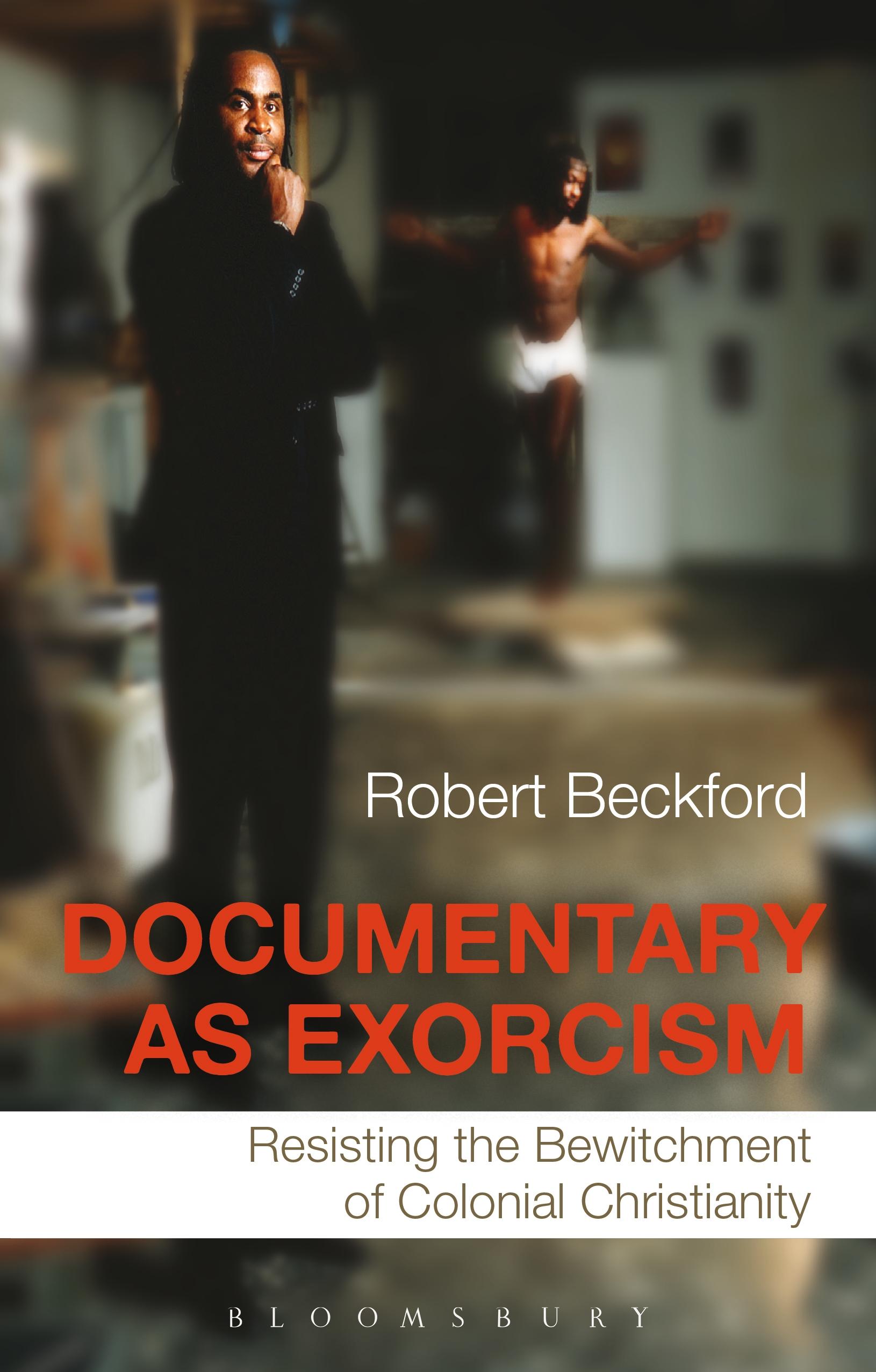
Documentary as Exorcism is an interdisciplinary study that builds upon the insights of postcolonial studies, critical race theory, theological and religious studies and media and film studies to showcase the role of documentary film as a system of signifying capable of registering complex theological ideas while pursuing the authentic aims of documentary filmmaking.
Robert Beckford marries the concepts of 'theology as visual practice' and 'theology as political engagement' to develop a new mode of documentary filmmaking that embeds emancipation from oppression in its aesthetic. In various documentaries made for Channel 4 and the BBC, Beckford narrates the complicit relationship of Christianity with European expansion, slavery, and colonialism as a historic manifestation of evil. In light of the cannibalistic practices of colonialism that devoured black life, and the church's role in the subjugation and theological legitimation of black bodies, Beckford characterises this form of historic Christian faith as 'colonial Christianity' and its malevolent or 'occult' practices as a form of 'bewitchment' that must be 'exorcised'.
He identifies and exorcises the evil practices of colonialism and their present impact upon African Caribbean Christian communities in Britain in films such as Britain's Slave Trade and Empire Pays Back through a deliberate process of encoding/decoding. The emancipatory impact of this form of documentary filmmaking is demonstrated by its ability to bring issues such as reparations to the public square for debate, and its capacity to change a corporation's trade policies for the good of Africans.
Robert Beckford marries the concepts of 'theology as visual practice' and 'theology as political engagement' to develop a new mode of documentary filmmaking that embeds emancipation from oppression in its aesthetic. In various documentaries made for Channel 4 and the BBC, Beckford narrates the complicit relationship of Christianity with European expansion, slavery, and colonialism as a historic manifestation of evil. In light of the cannibalistic practices of colonialism that devoured black life, and the church's role in the subjugation and theological legitimation of black bodies, Beckford characterises this form of historic Christian faith as 'colonial Christianity' and its malevolent or 'occult' practices as a form of 'bewitchment' that must be 'exorcised'.
He identifies and exorcises the evil practices of colonialism and their present impact upon African Caribbean Christian communities in Britain in films such as Britain's Slave Trade and Empire Pays Back through a deliberate process of encoding/decoding. The emancipatory impact of this form of documentary filmmaking is demonstrated by its ability to bring issues such as reparations to the public square for debate, and its capacity to change a corporation's trade policies for the good of Africans.
Sider: 224
Kategori: Film- & Medievetenskap
e-ISBN: 9781441127198
Forsendelsesvægt: 1.2 kg
Sendes inden for: 1-2 dage
Betal nemt med kort, Klarna, Apple Pay eller Google Pay. Ikke tilfreds? Du har altid 14 dages fortrydelsesret. Læs mere i vores vilkår. Har du spørgsmål, så send os en mail på hello@memmo.org.
Memmo gør det nemmere at studere – uanset hvor du er i verden. Hos os samler du dine kursusbøger og smarte studieværktøjer ét sted: resuméer, quizzer, podcasts og flashcards. Og så er der Ted, din studieven, der svarer på alt, du undrer dig over. Over 50 000 studerende studerer allerede her – bygget til at hjælpe dig med at lære hurtigere og stresse mindre.