
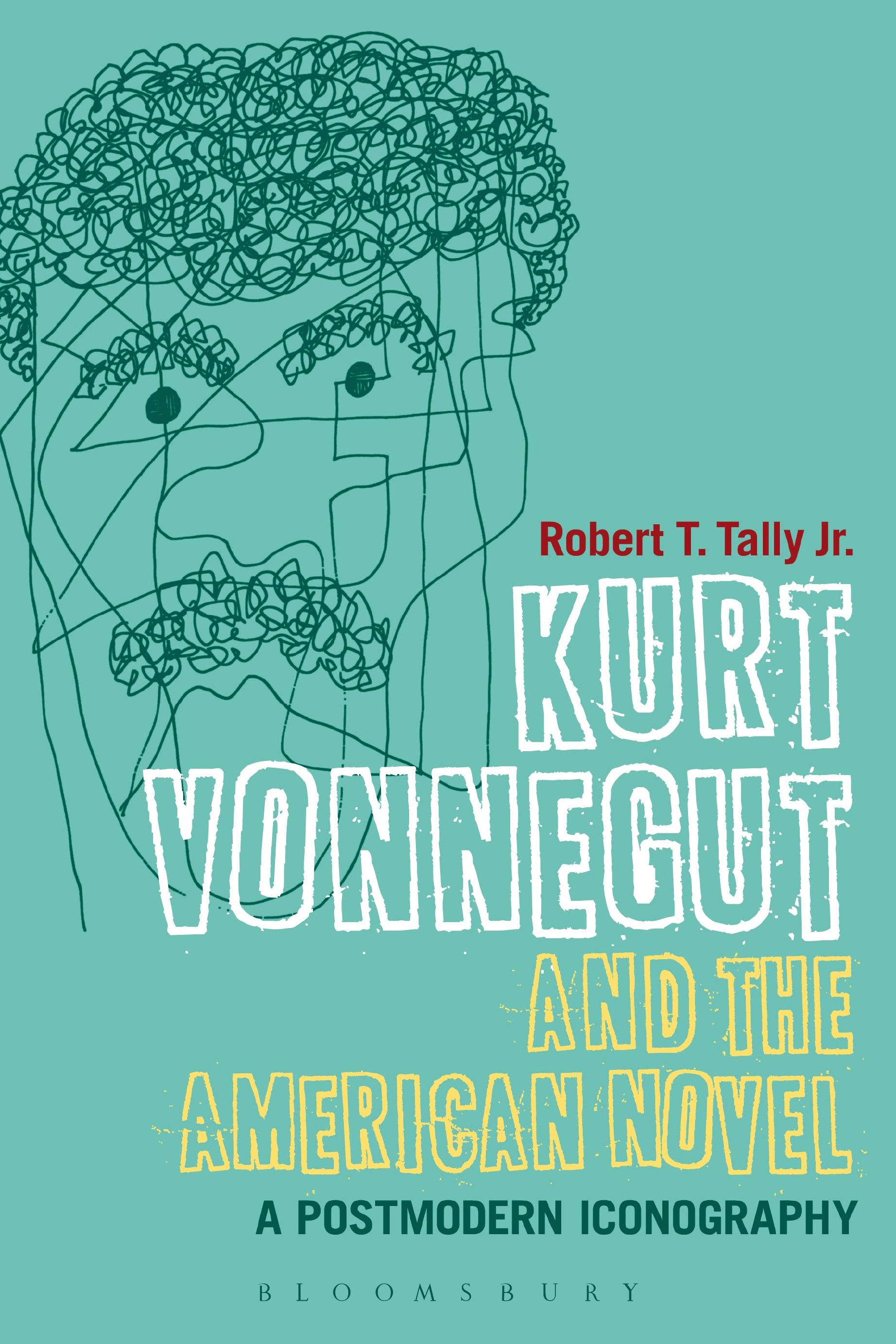
The novels of Kurt Vonnegut depict a profoundly absurd and distinctly postmodern world. But in this critical study, Robert Tally argues that Vonnegut himself is actually a modernist, who is less interested in indulging in the free play of signifiers than in attempting to construct a model that could encompass the American experience at the end of the twentieth century. As a modernist wrestling with a postmodern condition, Vonnegut makes use of diverse and sometimes eccentric narrative techniques (such as metafiction, collage, and temporal slippages) to project a comprehensive vision of life in the United States. Vonnegut's novels thus become experiments in making sense of the radical transformations of self and society during that curious, unstable period called, perhaps ironically, the 'American Century.' An untimely figure, Vonnegut develops a postmodern iconography of American civilization while simultaneously acknowledging the impossibility of a truly comprehensive representation.
Betal nemt med kort, Klarna, Apple Pay eller Google Pay. Ikke tilfreds? Du har altid 14 dages fortrydelsesret. Læs mere i vores vilkår. Har du spørgsmål, så send os en mail på hello@memmo.org.
Memmo gør det nemmere at studere – uanset hvor du er i verden. Hos os samler du dine kursusbøger og smarte studieværktøjer ét sted: resuméer, quizzer, podcasts og flashcards. Og så er der Ted, din studieven, der svarer på alt, du undrer dig over. Over 50 000 studerende studerer allerede her – bygget til at hjælpe dig med at lære hurtigere og stresse mindre.