
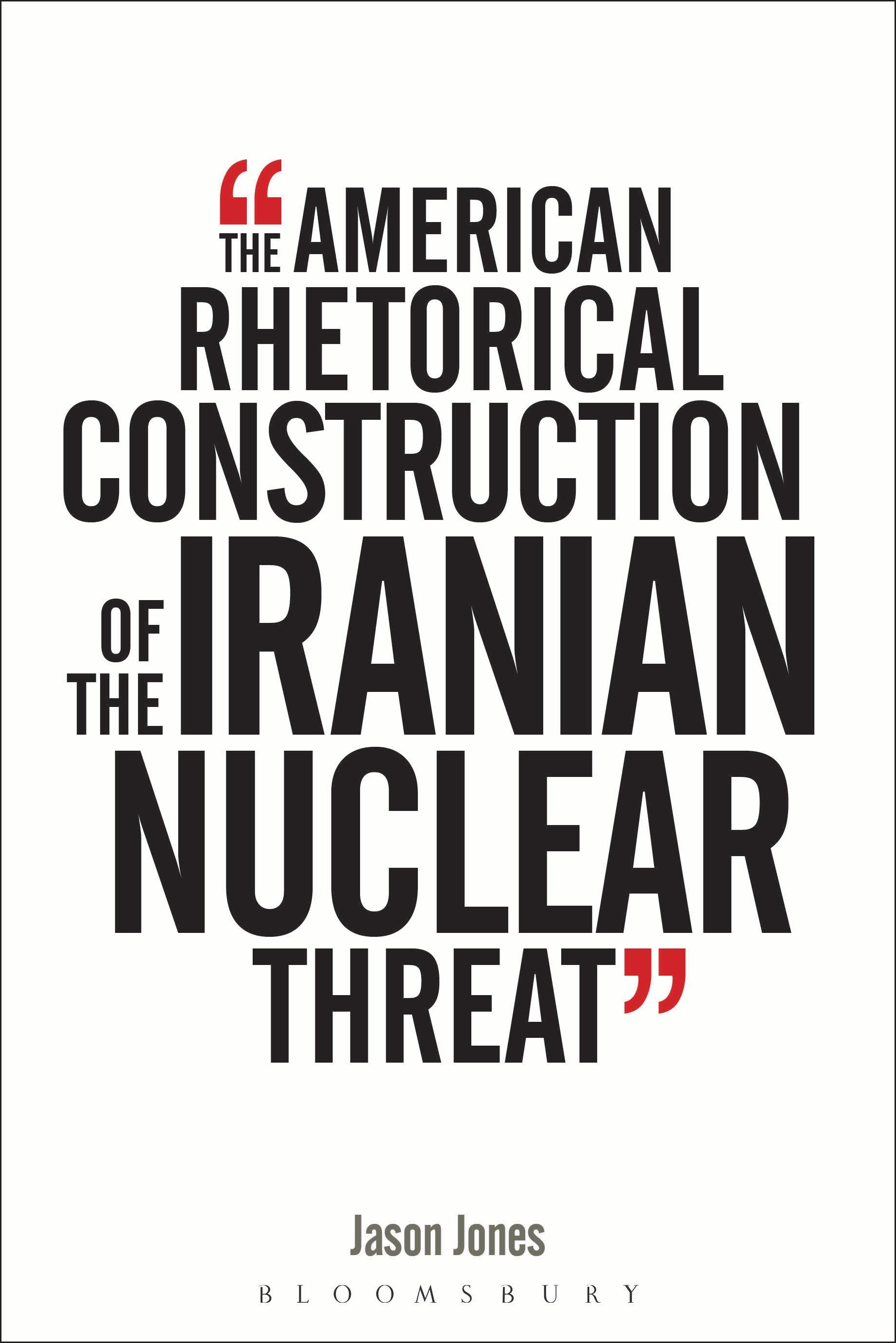
From 2002 to 2008, the Bush administration argued that Iran was developing nuclear weapons, despite years of inconclusive International Atomic Energy Agency inspection reports. In the absence of substantive evidence, much of the debate was conducted via public forums with a heavy persuasive element to the discourse. This book offers an in-depth consideration of the rhetoric surrounding Irans controversial nuclear programme. It takes an interdisciplinary approach, examining speeches, interviews, news reports, online message boards and newspaper layouts during the Bush Presidency (2000-2008). Engaging with visual grammar and narrative, the book looks at layouts from the Associated Press, The New York Times and The Washington Post, amongst others. The book points out, using rhetorical theory and discourse analysis, the conditions that lent credibility to the Bush administrations position by examining the arguments Bush and his political surrogates put forward, and the discourse strategies that influenced which ideas gained salience and which were downplayed. Political communication and Foucaults theory of governmentality are brought in to articulate the implications regarding the influence, importance and expansion of executive power.
Betal nemt med kort, Klarna, Apple Pay eller Google Pay. Ikke tilfreds? Du har altid 14 dages fortrydelsesret. Læs mere i vores vilkår. Har du spørgsmål, så send os en mail på hello@memmo.org.
Memmo gør det nemmere at studere – uanset hvor du er i verden. Hos os samler du dine kursusbøger og smarte studieværktøjer ét sted: resuméer, quizzer, podcasts og flashcards. Og så er der Ted, din studieven, der svarer på alt, du undrer dig over. Over 50 000 studerende studerer allerede her – bygget til at hjælpe dig med at lære hurtigere og stresse mindre.