
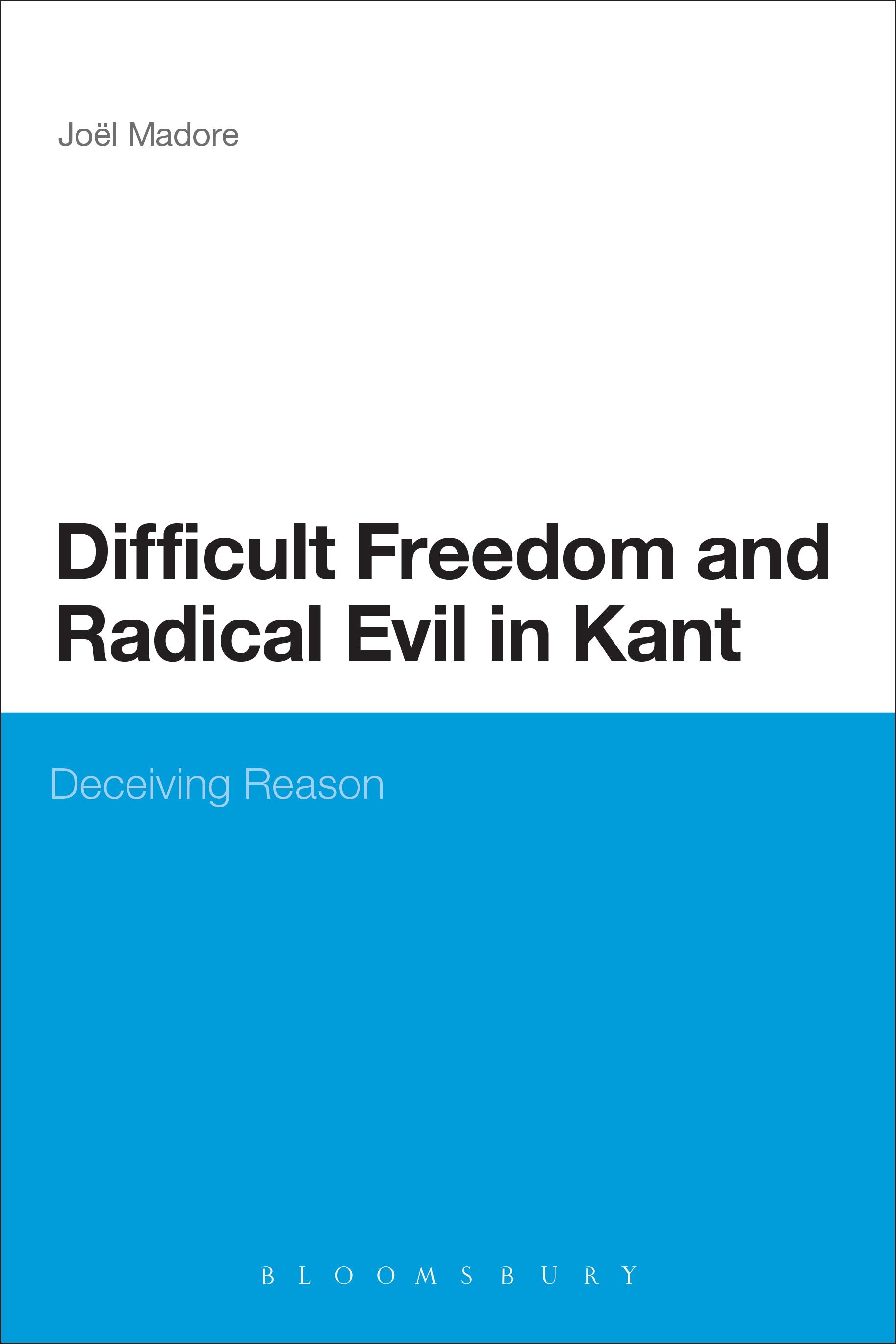
To speak of evil is to speak of a gap between what is and what should be. If classical approaches to this problem often relied on a religious or metaphysical framework to structure their response, Kant's answer is typically modern in that it places within the subject the means of its own moral regeneration. And yet from his first essays on ethics to later, more rigorous writings on the issue, Kant also admits an undeniable fallibility and inherent weakness to humanity.
This book explores this neglected existential side of Kant's work. It presents radical evil as vacillating between tragic and freedom, at the threshold of humanity. Through it's careful exegesis of the Kantian corpus, in gauging contemporary responses from both philosophical traditions, and by drawing from concrete examples of evil, the book offers a novel and accessible account of what is widely considered to be an intricate yet urgent problem of philosophy.
This book explores this neglected existential side of Kant's work. It presents radical evil as vacillating between tragic and freedom, at the threshold of humanity. Through it's careful exegesis of the Kantian corpus, in gauging contemporary responses from both philosophical traditions, and by drawing from concrete examples of evil, the book offers a novel and accessible account of what is widely considered to be an intricate yet urgent problem of philosophy.
Betal nemt med kort, Klarna, Apple Pay eller Google Pay. Ikke tilfreds? Du har altid 14 dages fortrydelsesret. Læs mere i vores vilkår. Har du spørgsmål, så send os en mail på hello@memmo.org.
Memmo gør det nemmere at studere – uanset hvor du er i verden. Hos os samler du dine kursusbøger og smarte studieværktøjer ét sted: resuméer, quizzer, podcasts og flashcards. Og så er der Ted, din studieven, der svarer på alt, du undrer dig over. Over 50 000 studerende studerer allerede her – bygget til at hjælpe dig med at lære hurtigere og stresse mindre.