
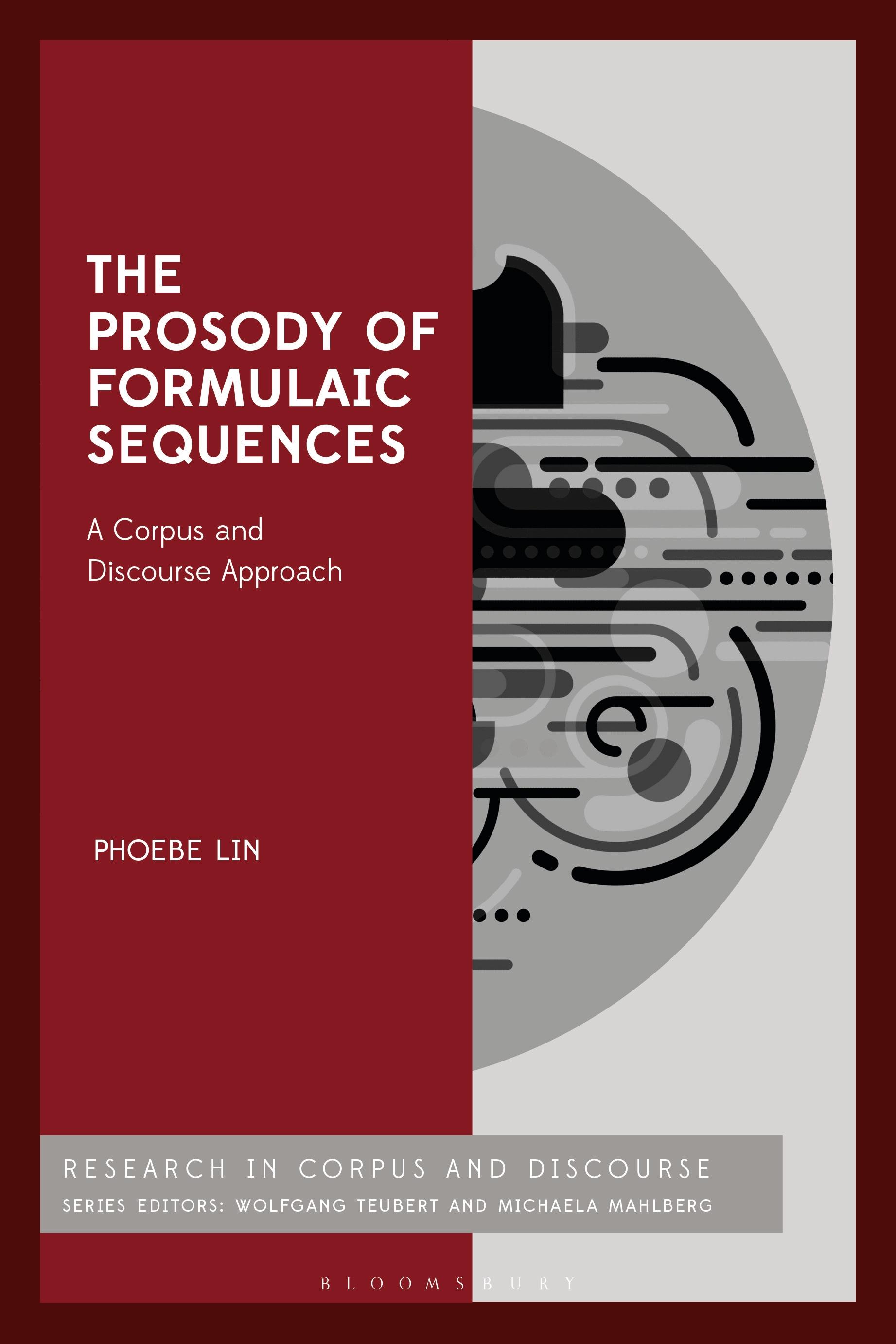
To apply the same approaches to analysing spoken and written formulaic language is problematic; to do so masks the fact that the contextual meaning of spoken formulaic language is encoded, to a large extent, in its prosody. In The Prosody of Formulaic Sequences, Phoebe Lin offers a new perspective on formulaic language, arguing that while past research often treats formulaic language as a lexical phenomenon, the phonological aspect of it is a more fundamental facet.
This book draws its conclusions from three original, empirical studies of spoken formulaic language, assessing intonation unit boundaries as well as features such as tempo and stress placement. Across all studies, Lin considers questions of methodology and conceptual framework.
The corpus-based descriptions of prosody outlined in this book not only deepen our understanding of the nature of formulaic language but have important implications for English Language Teaching and automatic speech synthesis.
This book draws its conclusions from three original, empirical studies of spoken formulaic language, assessing intonation unit boundaries as well as features such as tempo and stress placement. Across all studies, Lin considers questions of methodology and conceptual framework.
The corpus-based descriptions of prosody outlined in this book not only deepen our understanding of the nature of formulaic language but have important implications for English Language Teaching and automatic speech synthesis.
Betal nemt med kort, Klarna, Apple Pay eller Google Pay. Ikke tilfreds? Du har altid 14 dages fortrydelsesret. Læs mere i vores vilkår. Har du spørgsmål, så send os en mail på hello@memmo.org.
Memmo gør det nemmere at studere – uanset hvor du er i verden. Hos os samler du dine kursusbøger og smarte studieværktøjer ét sted: resuméer, quizzer, podcasts og flashcards. Og så er der Ted, din studieven, der svarer på alt, du undrer dig over. Over 50 000 studerende studerer allerede her – bygget til at hjælpe dig med at lære hurtigere og stresse mindre.