
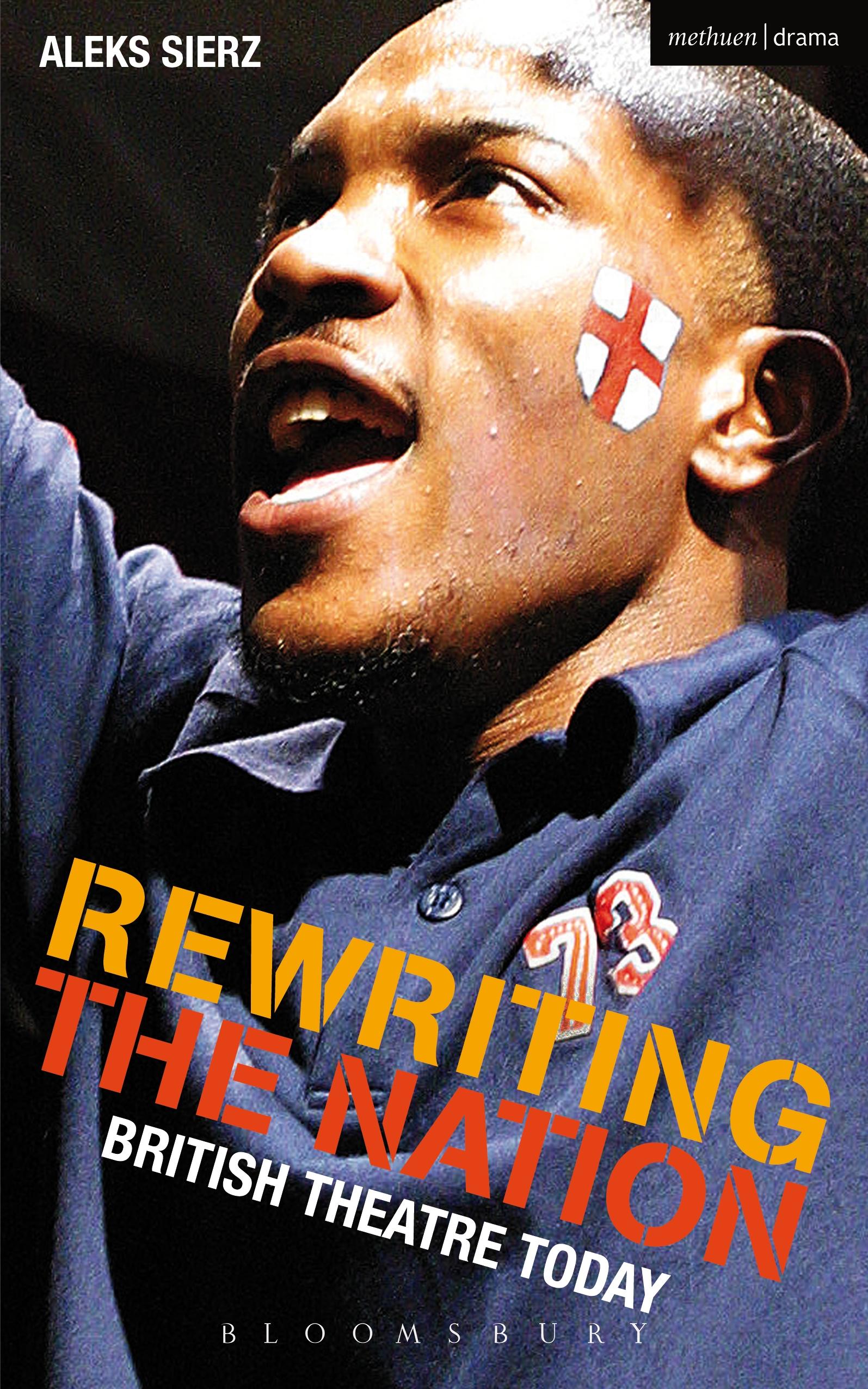
This is an essential guide for anyone interested in the best new British stage plays to emerge in the new millennium. For students of theatre studies and theatre-goers Rewriting the Nation: British Theatre Today is a perfect companion to Britain's burgeoning theatre writing scene. It explores the context from which new plays have emerged and charts the way that playwrights have responded to the key concerns of the decade and helped shape our sense of who we are.
In recent years British theatre has seen a renaissance in playwriting accompanied by a proliferation of writing awards and new writing groups. The book provides an in-depth exploration of the industry and of the key plays and playwrights. It opens by defining what is meant by 'new writing' and providing a study of the leading theatres, such as the Royal Court, the Traverse, the Bush, the Hampstead and the National theatres, together with the London fringe and the work of touring companies.
In the second part, Sierz provides a fascinating survey of the main issues that have characterised new plays in the first decade of the new century, such as foreign policy and war overseas, economic boom and bust, divided communities and questions of identity and race. It considers too how playwrights have re-examined domestic issues of family, of love, of growing up, and the fantasies and nightmares of the mind. Against the backdrop of economic, political and social change under New Labour, Sierz shows how British theatre responded to these changes and in doing so has been and remains deeply involved in the project of rewriting the nation.
In recent years British theatre has seen a renaissance in playwriting accompanied by a proliferation of writing awards and new writing groups. The book provides an in-depth exploration of the industry and of the key plays and playwrights. It opens by defining what is meant by 'new writing' and providing a study of the leading theatres, such as the Royal Court, the Traverse, the Bush, the Hampstead and the National theatres, together with the London fringe and the work of touring companies.
In the second part, Sierz provides a fascinating survey of the main issues that have characterised new plays in the first decade of the new century, such as foreign policy and war overseas, economic boom and bust, divided communities and questions of identity and race. It considers too how playwrights have re-examined domestic issues of family, of love, of growing up, and the fantasies and nightmares of the mind. Against the backdrop of economic, political and social change under New Labour, Sierz shows how British theatre responded to these changes and in doing so has been and remains deeply involved in the project of rewriting the nation.
Betal nemt med kort, Klarna, Apple Pay eller Google Pay. Ikke tilfreds? Du har altid 14 dages fortrydelsesret. Læs mere i vores vilkår. Har du spørgsmål, så send os en mail på hello@memmo.org.
Memmo gør det nemmere at studere – uanset hvor du er i verden. Hos os samler du dine kursusbøger og smarte studieværktøjer ét sted: resuméer, quizzer, podcasts og flashcards. Og så er der Ted, din studieven, der svarer på alt, du undrer dig over. Over 50 000 studerende studerer allerede her – bygget til at hjælpe dig med at lære hurtigere og stresse mindre.