
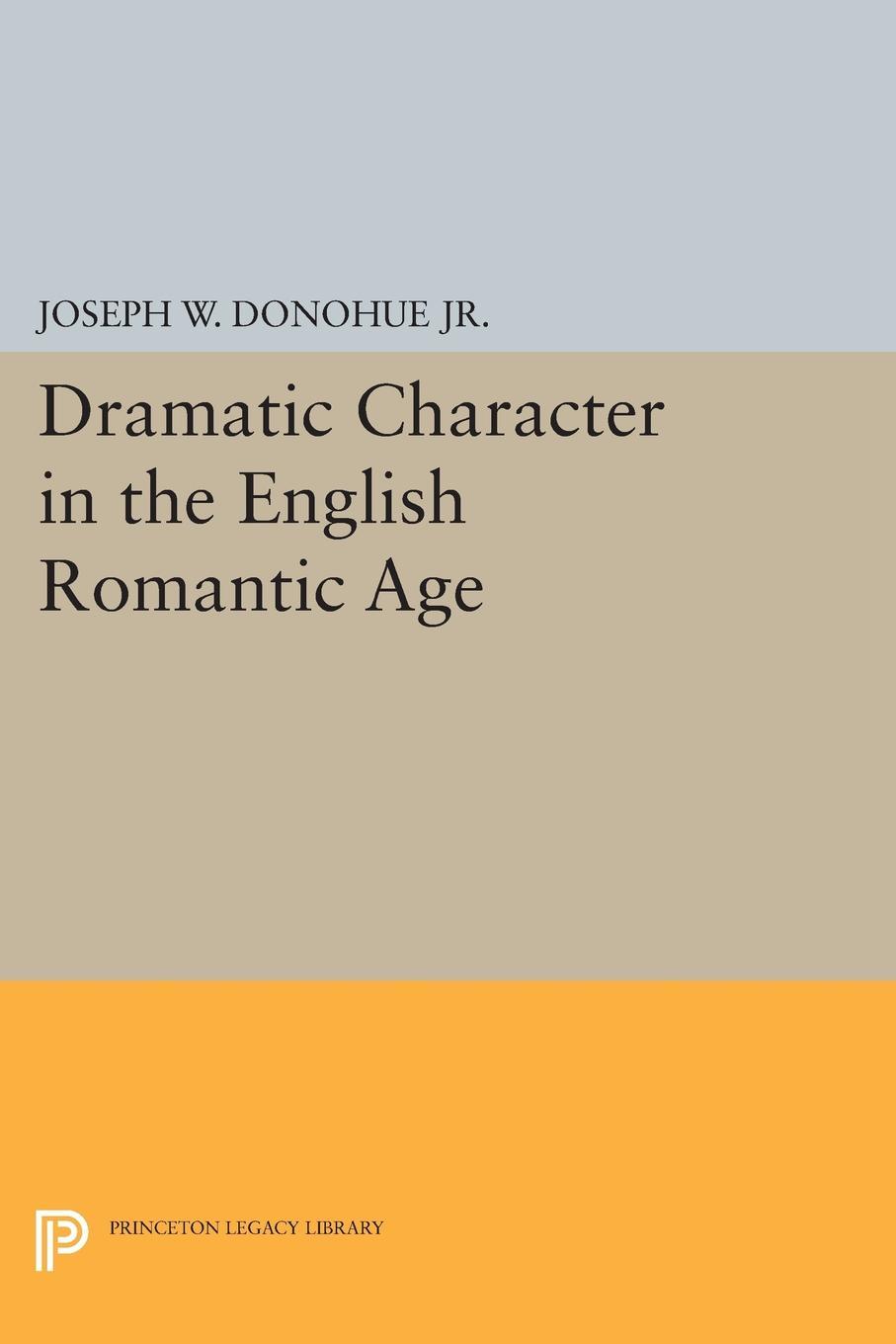
This was the age of the star. For the first time in the history of the theater, the playwright took second place to the actor; the interpretation of the role assumed primary importance in a assessing a performance. It was Mr. Kean's Hamlet first, and Mr. Shakespeare's second.
What effects did this highly subjective, interpretive emphasis have on the drama? Where did it originate and how did it evolve? These questions are considered at length in the author's analysis of the nature of Romanticism itself as revealed in essays, novels, criticism, and by the actors themselves. The Jacobean origins of this revolutionary period are reviewed, followed by a close scrutiny of the critical writing of such contemporary thinkers as Hazlitt, Coleridge, Shelley, and Keats. This entirely new concept provides an important link between the practical theater and the contemporary philosophical thought of the time.
Originally published in 1970.
The Princeton Legacy Library uses the latest print-on-demand technology to again make available previously out-of-print books from the distinguished backlist of Princeton University Press. These editions preserve the original texts of these important books while presenting them in durable paperback and hardcover editions. The goal of the Princeton Legacy Library is to vastly increase access to the rich scholarly heritage found in the thousands of books published by Princeton University Press since its founding in 1905.
Betal nemt med kort, Klarna, Apple Pay eller Google Pay. Ikke tilfreds? Du har altid 14 dages fortrydelsesret. Læs mere i vores vilkår. Har du spørgsmål, så send os en mail på hello@memmo.org.
Memmo gør det nemmere at studere – uanset hvor du er i verden. Hos os samler du dine kursusbøger og smarte studieværktøjer ét sted: resuméer, quizzer, podcasts og flashcards. Og så er der Ted, din studieven, der svarer på alt, du undrer dig over. Over 50 000 studerende studerer allerede her – bygget til at hjælpe dig med at lære hurtigere og stresse mindre.