
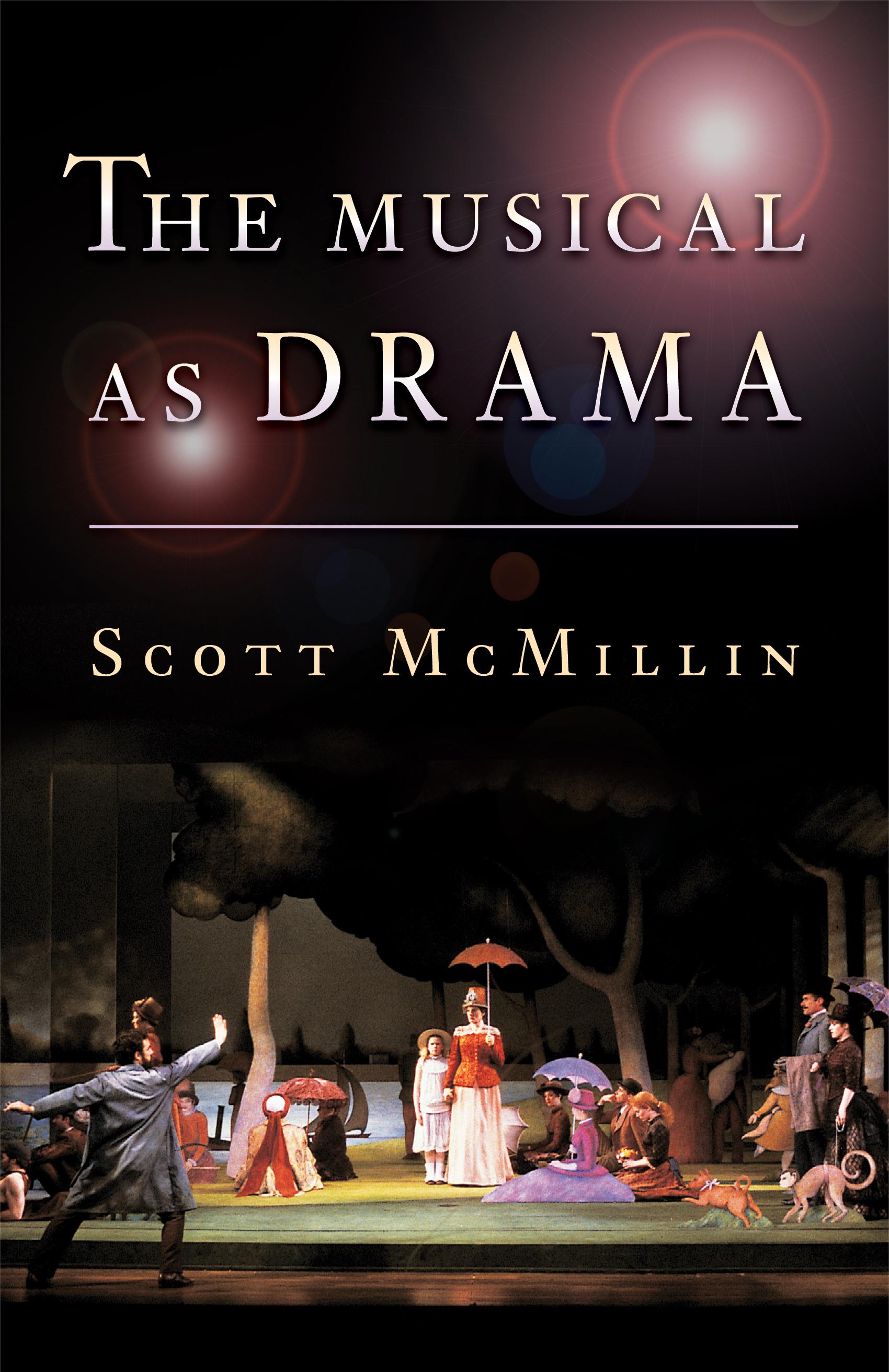
Derived from the colorful traditions of vaudeville, burlesque, revue, and operetta, the musical has blossomed into America's most popular form of theater. Scott McMillin has developed a fresh aesthetic theory of this underrated art form, exploring the musical as a type of drama deserving the kind of critical and theoretical regard given to Chekhov or opera. Until recently, the musical has been considered either an "integrated" form of theater or an inferior sibling of opera. McMillin demonstrates that neither of these views is accurate, and that the musical holds true to the disjunctive and irreverent forms of popular entertainment from which it arose a century ago.
Critics and composers have long held the musical to the standards applied to opera, asserting that each piece should work together to create a seamless drama. But McMillin argues that the musical is a different form of theater, requiring the suspension of the plot for song. The musical's success lies not in the smoothness of unity, but in the crackle of difference. While disparate, the dancing, music, dialogue, and songs combine to explore different aspects of the action and the characters.
Discussing composers and writers such as Rodgers and Hammerstein, Stephen Sondheim, Kander and Ebb, Leonard Bernstein, and Jerome Kern, The Musical as Drama describes the continuity of this distinctively American dramatic genre, from the shows of the 1920s and 1930s to the musicals of today.
Betal nemt med kort, Klarna, Apple Pay eller Google Pay. Ikke tilfreds? Du har altid 14 dages fortrydelsesret. Læs mere i vores vilkår. Har du spørgsmål, så send os en mail på hello@memmo.org.
Memmo gør det nemmere at studere – uanset hvor du er i verden. Hos os samler du dine kursusbøger og smarte studieværktøjer ét sted: resuméer, quizzer, podcasts og flashcards. Og så er der Ted, din studieven, der svarer på alt, du undrer dig over. Over 50 000 studerende studerer allerede her – bygget til at hjælpe dig med at lære hurtigere og stresse mindre.