
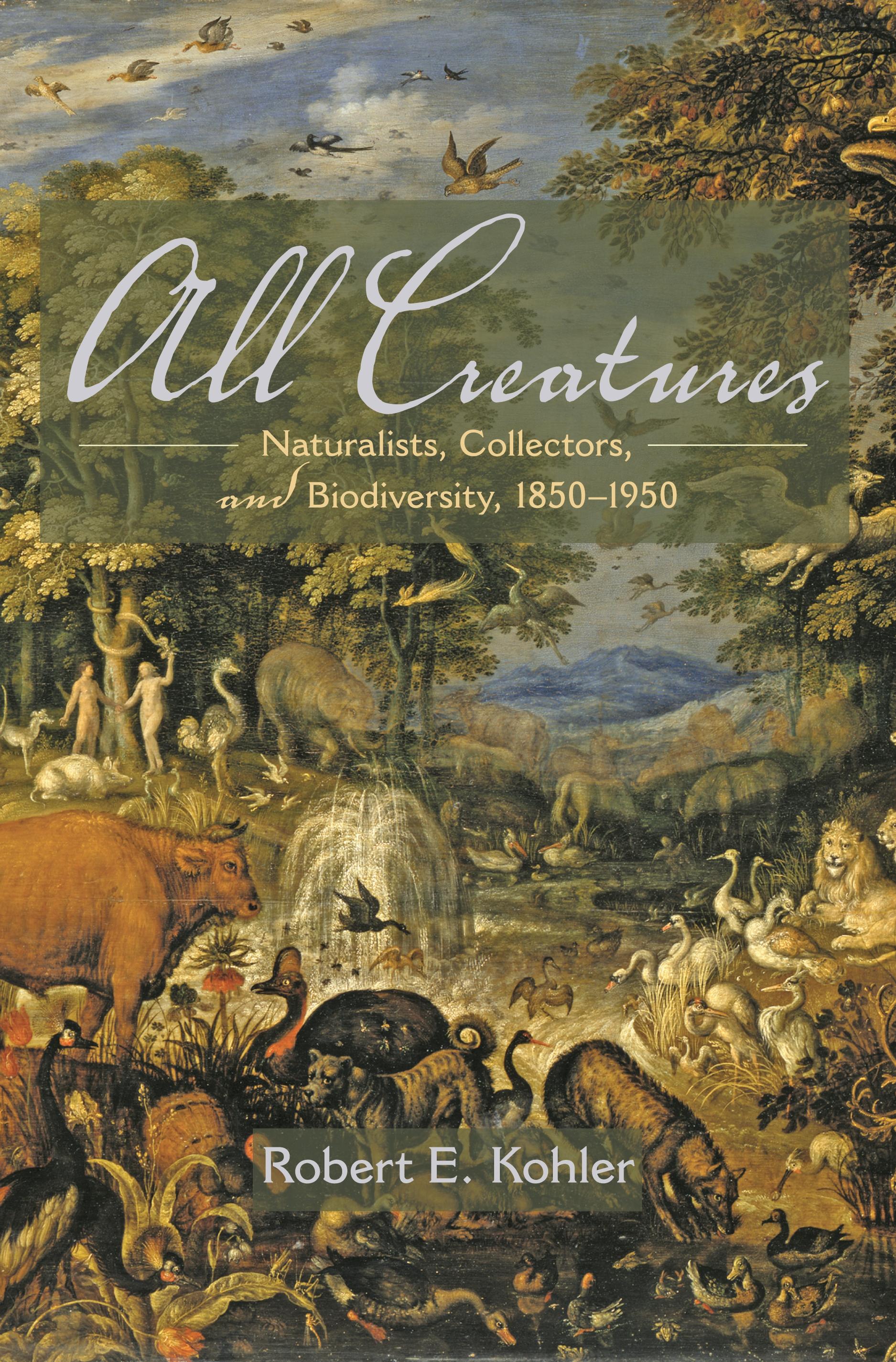
We humans share Earth with 1.4 million known species and millions more species that are still unrecorded. Yet we know surprisingly little about the practical work that produced the vast inventory we have to date of our fellow creatures. How were these multitudinous creatures collected, recorded, and named? When, and by whom?
Here a distinguished historian of science tells the story of the modern discovery of biodiversity. Robert Kohler argues that the work begun by Linnaeus culminated around 1900, when collecting and inventory were organized on a grand scale in natural history surveys. Supported by governments, museums, and universities, biologists launched hundreds of collecting expeditions to every corner of the world. Kohler conveys to readers the experience and feel of expeditionary travel: the customs and rhythms of collectors' daily work, and its special pleasures and pains.
A novel twist in this story is that survey collecting was rooted not just in science but also in new customs of outdoor recreation, such as hiking, camping, and sport hunting. These popular pursuits engendered a wide scientific interest in animals and plants and inspired wealthy nature-goers to pay for expeditions. The modern discovery of biodiversity became a reality when scientists' desire to know intersected with the culture of outdoor vacationing. General readers as well as scholars will find this book fascinating.
Betal nemt med kort, Klarna, Apple Pay eller Google Pay. Ikke tilfreds? Du har altid 14 dages fortrydelsesret. Læs mere i vores vilkår. Har du spørgsmål, så send os en mail på hello@memmo.org.
Memmo gør det nemmere at studere – uanset hvor du er i verden. Hos os samler du dine kursusbøger og smarte studieværktøjer ét sted: resuméer, quizzer, podcasts og flashcards. Og så er der Ted, din studieven, der svarer på alt, du undrer dig over. Over 50 000 studerende studerer allerede her – bygget til at hjælpe dig med at lære hurtigere og stresse mindre.