
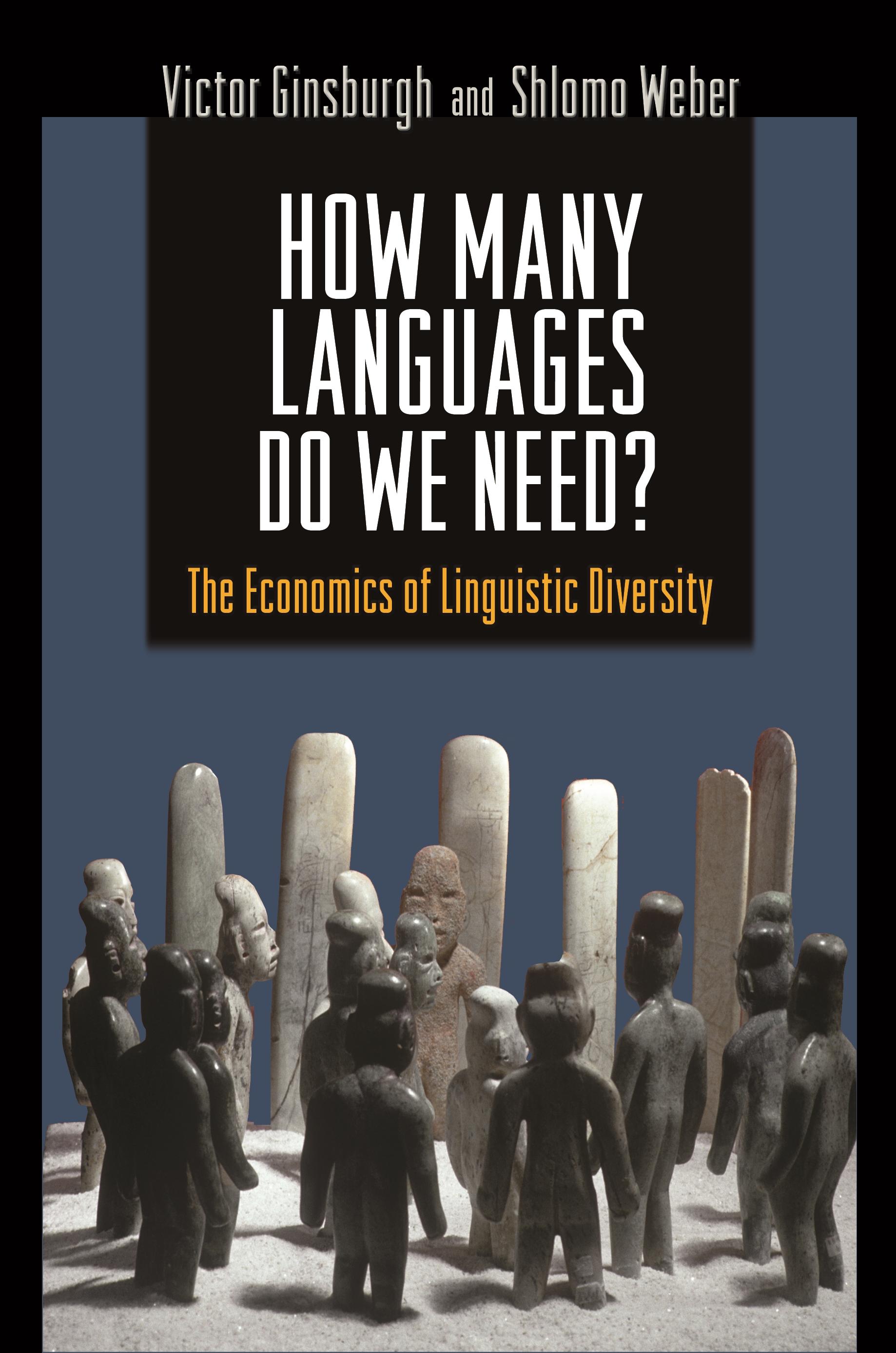
In the global economy, linguistic diversity influences economic and political development as well as public policies in positive and negative ways. It leads to financial costs, communication barriers, divisions in national unity, and, in some extreme cases, conflicts and war--but it also produces benefits related to group and individual identity. What are the specific advantages and disadvantages of linguistic diversity and how does it influence social and economic progress? This book examines linguistic diversity as a global social phenomenon and considers what degree of linguistic variety might result in the greatest economic good.
Victor Ginsburgh and Shlomo Weber look at linguistic proximity between groups and between languages. They describe and use simple economic, linguistic, and statistical tools to measure diversity's impact on growth, development, trade, the quality of institutions, translation issues, voting patterns in multinational competitions, and the likelihood and intensity of civil conflicts. They address the choosing of core languages in a multilingual community, such as the European Union, and argue that although too many official languages might harm cohesiveness, efficiency, and communication, reducing their number brings about alienation and disenfranchisement of groups.
Demonstrating that the value and drawbacks of linguistic diversity are universal, How Many Languages Do We Need? suggests ways for designing appropriate linguistic policies for today's multilingual world.
Betal nemt med kort, Klarna, Apple Pay eller Google Pay. Ikke tilfreds? Du har altid 14 dages fortrydelsesret. Læs mere i vores vilkår. Har du spørgsmål, så send os en mail på hello@memmo.org.
Memmo gør det nemmere at studere – uanset hvor du er i verden. Hos os samler du dine kursusbøger og smarte studieværktøjer ét sted: resuméer, quizzer, podcasts og flashcards. Og så er der Ted, din studieven, der svarer på alt, du undrer dig over. Over 50 000 studerende studerer allerede her – bygget til at hjælpe dig med at lære hurtigere og stresse mindre.