
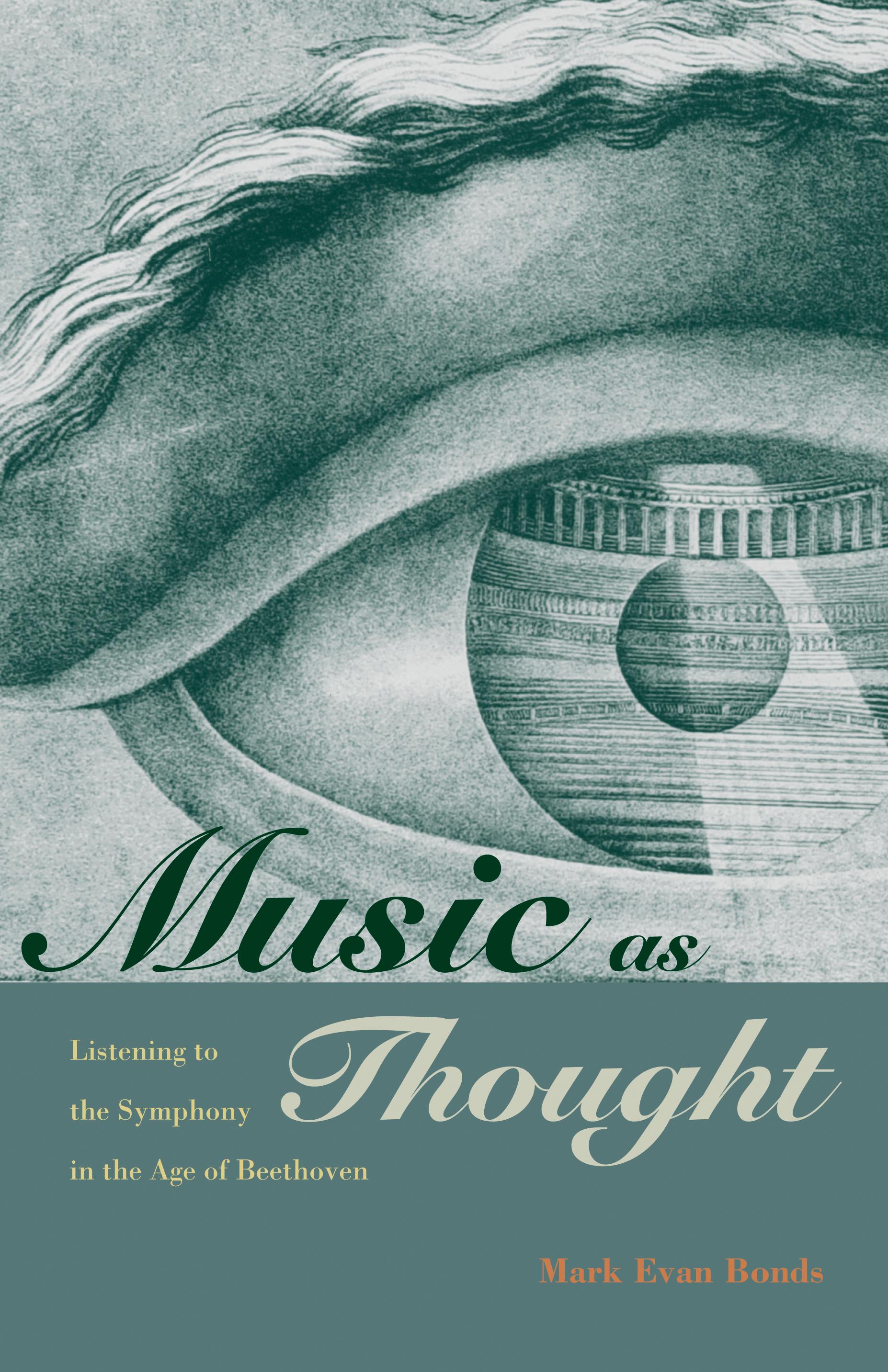
Before the nineteenth century, instrumental music was considered inferior to vocal music. Kant described wordless music as "more pleasure than culture," and Rousseau dismissed it for its inability to convey concepts. But by the early 1800s, a dramatic shift was under way. Purely instrumental music was now being hailed as a means to knowledge and embraced precisely because of its independence from the limits of language. What had once been perceived as entertainment was heard increasingly as a vehicle of thought. Listening had become a way of knowing.
Music as Thought traces the roots of this fundamental shift in attitudes toward listening in the late eighteenth and early nineteenth centuries. Focusing on responses to the symphony in the age of Beethoven, Mark Evan Bonds draws on contemporary accounts and a range of sources--philosophical, literary, political, and musical--to reveal how this music was experienced by those who heard it first.
Music as Thought is a fascinating reinterpretation of the causes and effects of a revolution in listening.
Betal nemt med kort, Klarna, Apple Pay eller Google Pay. Ikke tilfreds? Du har altid 14 dages fortrydelsesret. Læs mere i vores vilkår. Har du spørgsmål, så send os en mail på hello@memmo.org.
Memmo gør det nemmere at studere – uanset hvor du er i verden. Hos os samler du dine kursusbøger og smarte studieværktøjer ét sted: resuméer, quizzer, podcasts og flashcards. Og så er der Ted, din studieven, der svarer på alt, du undrer dig over. Over 50 000 studerende studerer allerede her – bygget til at hjælpe dig med at lære hurtigere og stresse mindre.