
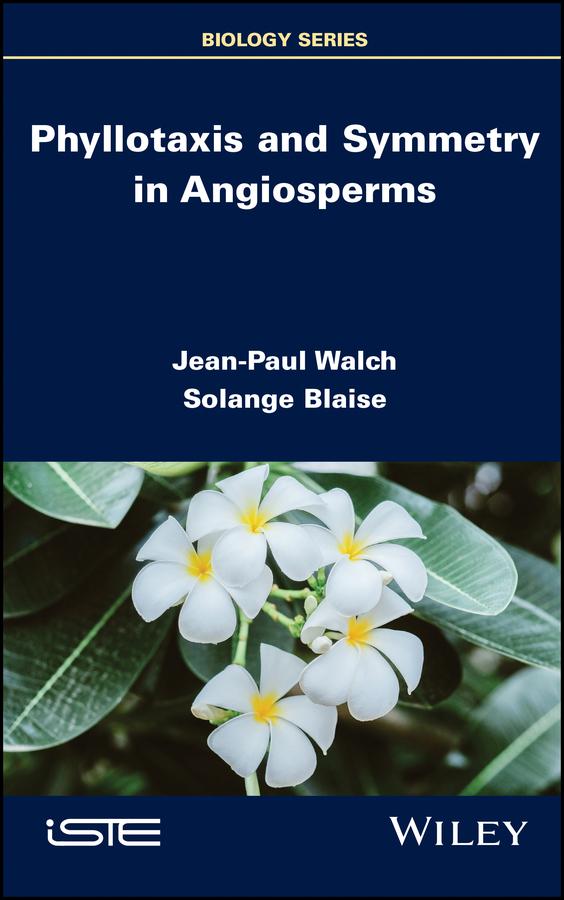
Symmetry and the causes of shifts in different types of symmetries in flowers follow specific patterns that are ruled by developmental and genetic factors.
Using a unified system of phyllotaxic equations, we have modeled the molecular mechanisms and pressure forces that act in inflorescence and floral meristems, giving flowers their organ arrangement.
In this book, we state general physical principles, whereby the symmetry of the perianth is derived from the symmetry of certain TCP gene expression. Thus, we define the interplay between the expression of CYC2-like genes and the phyllotactic mechanisms.
This new evo-devo approach is applied to major groups of angiosperms with predominantly actinomorphic flowers (in which rare zygomorphy is positional) and groups with mainly bilaterally symmetrical flowers (in which zygomorphy is constitutional). It has thus allowed us to revisit the contributions of the great floral morphologists of the 20th and early 21st centuries.
Betal nemt med kort, Klarna, Apple Pay eller Google Pay. Ikke tilfreds? Du har altid 14 dages fortrydelsesret. Læs mere i vores vilkår. Har du spørgsmål, så send os en mail på hello@memmo.org.
Memmo gør det nemmere at studere – uanset hvor du er i verden. Hos os samler du dine kursusbøger og smarte studieværktøjer ét sted: resuméer, quizzer, podcasts og flashcards. Og så er der Ted, din studieven, der svarer på alt, du undrer dig over. Over 50 000 studerende studerer allerede her – bygget til at hjælpe dig med at lære hurtigere og stresse mindre.