
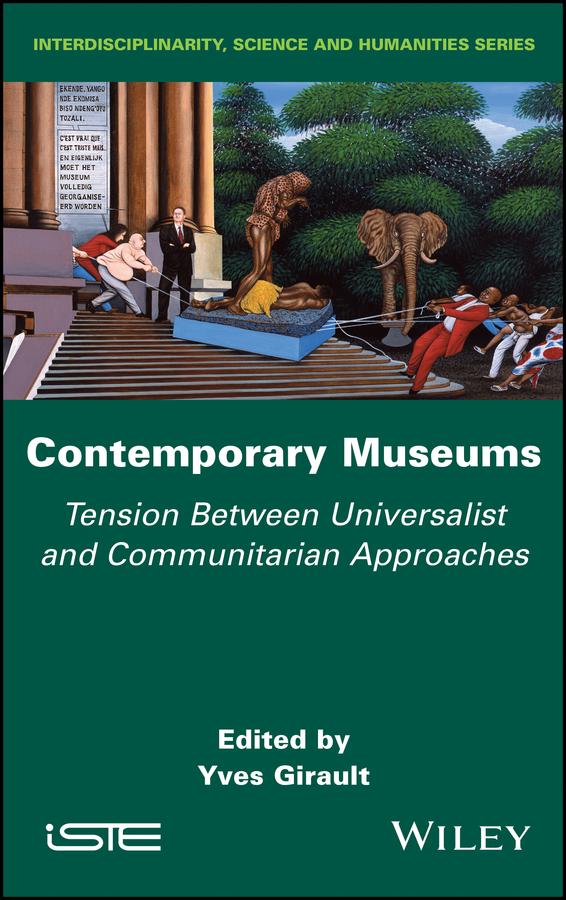
At the center of current debates surrounding the social function of museums, questions concerning museum activities and the participation of both inhabitants and the public arise. In 2019, these questions were the subject of many heated debates at the 34th General Assembly of ICOM in Kyoto, which intended to propose a new definition of the museum. As the representations of the tensions between Universalist and Communitarian approaches are not only largely dependent on the historical and socio-political contexts of the various countries concerned, a generational angle must also be considered. It thus seems totally anachronistic to try to defend a dichotomous vision that is far too simplistic.
At the heart of these current events and international issues, this collective work studies, in an international context, the values, actions and discourses advocated for participating in processes such as collection, selection, conservation and interpretation of heritage elements linked to the territories, resources, knowledge and know-how of various communities. The analysis of the tensions and asymmetries of power between various groups of actors – politicians, managers, scientists, visitors, representatives of local or diasporic populations, among others – particularly in the context of decolonization policies of museums, is also a major part of this book.
Betal nemt med kort, Klarna, Apple Pay eller Google Pay. Ikke tilfreds? Du har altid 14 dages fortrydelsesret. Læs mere i vores vilkår. Har du spørgsmål, så send os en mail på hello@memmo.org.
Memmo gør det nemmere at studere – uanset hvor du er i verden. Hos os samler du dine kursusbøger og smarte studieværktøjer ét sted: resuméer, quizzer, podcasts og flashcards. Og så er der Ted, din studieven, der svarer på alt, du undrer dig over. Over 50 000 studerende studerer allerede her – bygget til at hjælpe dig med at lære hurtigere og stresse mindre.