
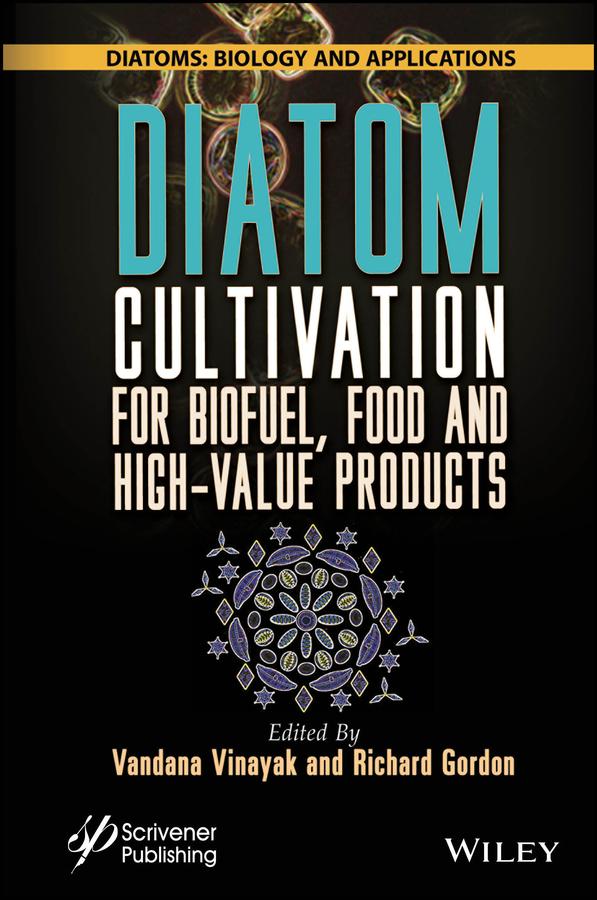
This unique book examines the techno-economic prospects of diatom cultivation, the design and implementation of algal reactors, and the potential of diatoms as a source of biofuel and other value-added products.
Diatom Cultivation for Biofuel, Food and High-Value Products covers the scientific, economic, and practical aspects of using diatoms for multiple purposes. It explores an integrated approach to diatom cultivation, including discussions on techniques, harvesting methods, and innovative technologies. The book discusses the potential of these techniques for improving the efficiency and yield of diatom-based biofuels, as well as the challenges and ethical considerations associated with genetic engineering.
Readers of the book will discover a wealth of information including:
- The adaptation of chitosan-based harvesting methods for microalgae flocculation; the trends, scope, and techno-economic prospects of diatom cultivation, including the design and implementation of algal reactors and the potential of diatoms as a source of biofuel and other value-added products.
- Advanced applications and innovative techniques in the field of diatoms and microalgae such as an in-depth analysis of the pigments and proteins found in Phaeodactylum tricornutum; the nature and applications of diatom cell walls, including their purification processes and industrial uses; the biochemical engineering of diatoms for health and biorefinery concepts, highlighting the potential of diatoms in producing biofuels and other high-value products; the metabolic and transcriptomic stress and engineering of diatoms to enhance lipid production, exploring the stress conditions that can increase oil yield; explores the genetic engineering techniques, such as CRISPRCas9 and RNA interference.
- The environmental and industrial applications of diatoms for low-value products, such as diatom as a prospective green anode material; diatom cell disruption and milking via a nano biorefinery for biofuel production, utilizing techniques like pulsed electric fields, high-pressure homogenization, ultrasonication, etc; genetic engineering and metabolic engineering in diatoms for oil production; the use of diatoms for heavy metal bioremediation, exploring the mechanisms of heavy metal uptake by diatoms, including biosorption and bioaccumulation; the transesterification of diatom oil and parameters for optimization; diatom harvesting for lipid production like bubble wrap (Bubble Farming).
Audience
The book serves as a guide for researchers and scientists in phycology, biology, ecology, environmental science, biofuels, bioengineering as well as nutritionists and dieticians who design functional foods and nutraceutical products.
Betal nemt med kort, Klarna, Apple Pay eller Google Pay. Ikke tilfreds? Du har altid 14 dages fortrydelsesret. Læs mere i vores vilkår. Har du spørgsmål, så send os en mail på hello@memmo.org.
Memmo gør det nemmere at studere – uanset hvor du er i verden. Hos os samler du dine kursusbøger og smarte studieværktøjer ét sted: resuméer, quizzer, podcasts og flashcards. Og så er der Ted, din studieven, der svarer på alt, du undrer dig over. Over 50 000 studerende studerer allerede her – bygget til at hjælpe dig med at lære hurtigere og stresse mindre.